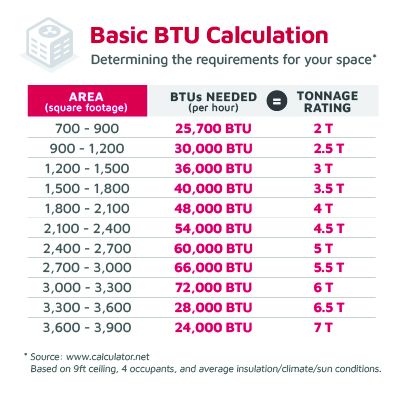
Have you ever wondered what those numbers followed by “BTU” on an air conditioner really mean? Understanding BTU can make a big difference when choosing the right air conditioner for your space.
If you pick the wrong size, your room might stay too warm or your energy bills could skyrocket. You’ll discover exactly what BTU means and why it matters for your comfort and savings. Keep reading to make sure your next air conditioner is a perfect fit for your home or office.
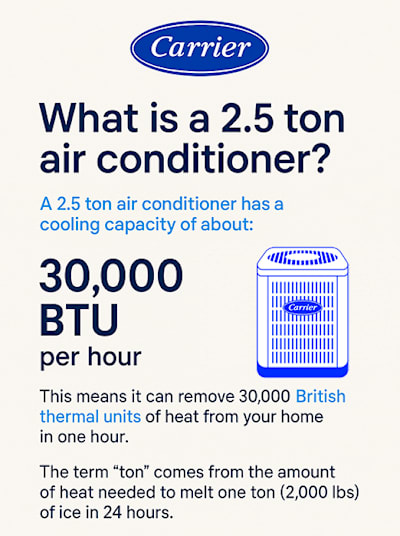
Credit: www.carrier.com
What Btu Stands For
Btustands for British thermal unit. It is a way to measure heat energy. One Btu is the amount of heat needed to raise the temperature of one pound of water by one degree Fahrenheit.
The term British thermal unitcomes from the time when England used this measure. It helps people understand how much heat an air conditioner can remove from a room. The higher the Btu, the more powerful the air conditioner is.
How Btu Relates To Cooling
Btustands for British Thermal Unit. It measures the amount of heat energyan air conditioner can remove in one hour. The higher the Btu, the more cooling power the unit has.
Cooling capacitymeans how much heat an AC can take out of a room. A unit with 5,000 Btu can cool a small room well. Bigger rooms need units with more Btu to stay cool.
| Room Size (sq ft) | Recommended Btu |
|---|---|
| 100 – 150 | 5,000 – 6,000 |
| 150 – 250 | 6,000 – 8,000 |
| 250 – 350 | 8,000 – 10,000 |
| 350 – 450 | 10,000 – 12,000 |
- Btu shows how much heat is removed per hour.
- More Btu means stronger cooling power.
- Choose Btu size based on your room size.
Choosing The Right Btu For Your Space
Btu measures how much heat an air conditioner can remove from a room. Choosing the right Btu ensures your space cools efficiently. Too low or too high Btu can cause discomfort and waste energy.
Room Size And Btu Requirements
The size of your room affects the Btu needed for cooling. Small rooms need less Btu, while bigger rooms need more. A room of 100 to 300 square feet usually needs 5,000 to 7,000 Btu. Rooms from 300 to 500 square feet require about 8,000 to 12,000 Btu. Choosing the right Btu keeps the room comfortable and saves energy.
Factors Affecting Btu Needs
- Number of windows: More windows can increase cooling needs.
- Sunlight: Rooms with strong sunlight need higher Btu.
- Ceiling height: Taller ceilings require more cooling power.
- Number of people: More people create more heat.
- Appliances: Devices like computers add heat inside the room.
Btu And Energy Efficiency
Btu (British thermal unit)measures how much heat an air conditioner can remove. The higher the Btu, the more cooling power it has. But more Btu does not always mean better energy use.
Energy efficiencyshows how well an AC uses electricity to cool a room. It is often measured by Btu per watt. This means how many Btus you get for each watt of power used.
| Air Conditioner | Btu | Watts Used | Btu per Watt |
|---|---|---|---|
| Model A | 5000 | 600 | 8.33 |
| Model B | 6000 | 750 | 8.00 |
Higher Btu per wattmeans better energy use. It helps lower electricity bills. Choosing the right Btu and efficiency saves money and power.
Common Btu Ratings In Air Conditioners
Air conditioners come with different Btu ratings. These ratings show how much cooling power the unit has. Choosing the right Btu helps keep a room comfortable.
- Small Room Units: Usually 5,000 to 8,000 Btu. Best for rooms up to 300 square feet.
- Medium and Large Room Units: Range from 8,000 to 14,000 Btu. Suitable for rooms between 300 and 600 square feet.
- Commercial AC Units: Have 20,000 Btu or more. Designed to cool large spaces or offices.
Credit: www.lexetx.com
Signs Of Incorrect Btu Sizing
Too Low Btu Issuescause the air conditioner to work harder. It may never cool the room properly. This leads to higher energy bills and frequent breakdowns. The unit runs for long hours but still feels warm inside. Moisture levels stay high, making the room uncomfortable. Noise from the AC may increase due to overuse.
Too High Btu Issuesmake the room cold quickly but cause other problems. The unit turns on and off often, wasting energy. This frequent cycling can wear out parts faster. The air feels damp because the AC removes less moisture. High Btu units can also increase electricity costs.
Tips For Optimizing Ac Performance
Understanding BTU helps choose the right AC size for your space. Proper BTU ensures efficient cooling and lowers energy use. Regularly cleaning filters and setting correct temperatures boost AC performance.
Proper Installation
Correct installationensures the AC works well and lasts longer. The unit should be placed in a shady spotto cool better. Make sure it is leveland has enough space around for airflow. Poor installation can cause leaksand reduce efficiency.
Regular Maintenance
Cleaning or replacing filterskeeps air fresh and airflow smooth. Check the coilsand remove dirt to improve cooling. Keep the drain linesclear to avoid water damage. Regular service helps the AC run efficientlyand saves energy.

Credit: thefurnaceoutlet.com
Frequently Asked Questions
What Does Btu Stand For In Air Conditioning?
BTU stands for British Thermal Unit. It’s a measurement of energy. In air conditioning, it indicates the cooling capacity. The higher the BTU, the more cooling power the unit has. This helps determine which air conditioner suits your space. Choosing the right BTU ensures efficient cooling.
How Many Btus Do I Need For My Room?
The required BTUs depend on the room size. For small rooms, 5,000-8,000 BTUs are sufficient. Medium rooms need 8,000-12,000 BTUs. Larger spaces may require 12,000-18,000 BTUs. Consider factors like insulation, sunlight, and room usage. Choosing the right BTU ensures efficient cooling and energy use.
Is A Higher Btu Air Conditioner Better?
A higher BTU air conditioner isn’t always better. It should match the room size. An oversized unit cools quickly but leaves humidity. An undersized unit struggles to cool effectively. Proper BTU ensures comfortable cooling, energy efficiency, and humidity control. Evaluate room size and conditions before choosing an air conditioner.
How Does Btu Affect Energy Consumption?
Higher BTU units consume more energy. They cool larger spaces effectively but may increase electricity bills. Choosing the right BTU ensures efficient energy use. It balances cooling needs with consumption. Proper sizing can save energy and reduce costs. Consider room size, insulation, and usage for optimal energy efficiency.
Conclusion
Knowing what BTU means helps you pick the right air conditioner. It shows how much heat the unit can remove. Choosing the correct BTU saves energy and keeps your room comfortable. Too low or too high BTU can cause problems.
Use BTU as a simple guide for better cooling. This small number makes a big difference in your comfort. Understanding BTU helps you stay cool and save money. Always check BTU before buying an air conditioner. Simple but important for smart cooling choices.