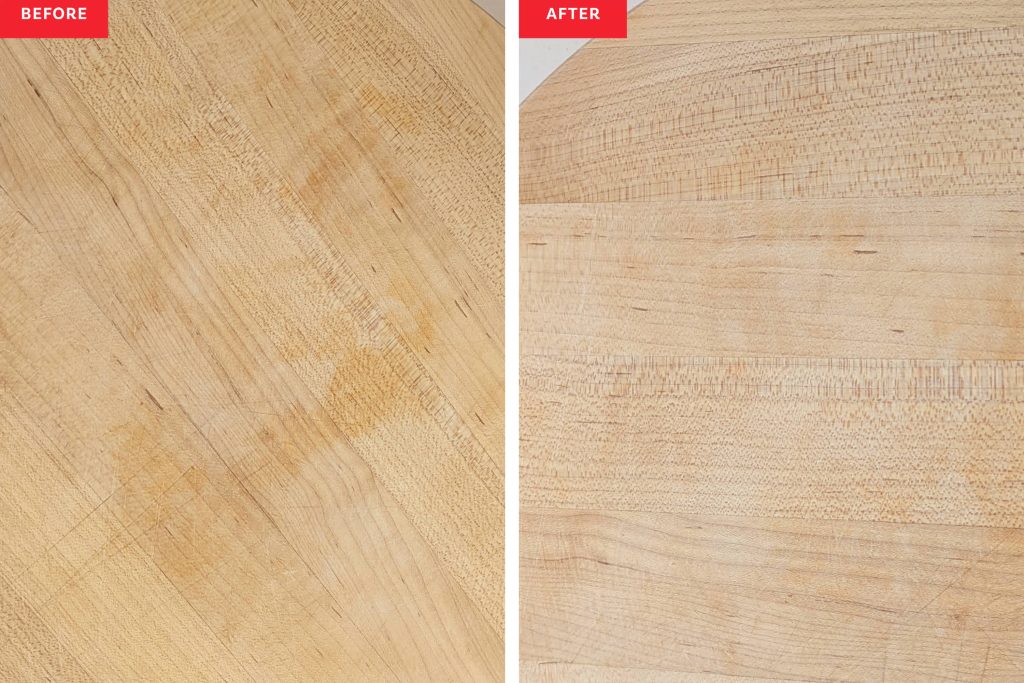
Your wooden cutting board is a kitchen essential, but it can also be a hidden hotspot for bacteria if not cleaned properly. You might think a quick rinse is enough, but to keep your food safe and your board lasting longer, you need the right sanitizing techniques.
You’ll discover simple, effective ways to sanitize your wooden cutting board so it stays fresh and safe every time you cook. Keep reading to protect your health and get the most out of your kitchen tools.

Credit: www.youtube.com
Choosing The Right Wooden Board
Picking the right wooden cutting board helps keep it clean and safe. The wood type and size affect how you clean and use it.
A good board lasts longer and resists bacteria better. Learn about wood types and board sizes before buying.
Types Of Wood
Some woods are better for cutting boards because they are hard and resist water. Soft woods can get damaged fast.
Hardwoods like maple and walnut are popular. They close their pores when wet, which helps stop germs.
- Maple: strong and has a smooth surface
- Walnut: dark color and very durable
- Cherry: offers a smooth finish and is tough
- Bamboo: fast-growing and eco-friendly option
Board Size And Thickness
Choose a board size that fits your kitchen and tasks. Large boards are good for big jobs. Small boards work for quick cutting.
Thickness matters too. Thick boards last longer and do not warp easily. Thin boards are lighter but can crack.
- Small boards: easy to store, best for fruits and vegetables
- Medium boards: versatile for most kitchen tasks
- Large boards: ideal for meat and big items
- Thick boards: durable and stable
- Thin boards: lightweight but less durable
Credit: www.thekitchn.com
Daily Cleaning Tips
Keeping your wooden cutting board clean every day helps stop germs. Regular cleaning keeps it safe for food use.
Simple habits make a big difference in the board’s life and hygiene.
Rinsing And Washing
Rinse your wooden board with warm water right after use. This removes leftover food bits quickly.
Wash the board with mild dish soap and a soft sponge. Avoid soaking it in water to protect the wood.
- Use warm water, not hot
- Apply gentle dish soap
- Scrub lightly with a soft sponge
- Never soak the board in water
Drying Properly
After washing, dry the board with a clean towel. This stops water from soaking into the wood.
Stand the board upright or lean it on its side. Air should flow around it to dry it fully.
- Use a dry towel to wipe the board
- Store standing up or on its side
- Make sure air circulates around it
- Avoid stacking boards while wet
Deep Sanitizing Methods
Wooden cutting boards need deep cleaning to stay safe and last long. Simple washing does not remove all germs. Using natural ingredients can help sanitize the board without damage.
Below are three effective methods to clean and sanitize your wooden cutting board deeply.
Using Vinegar And Hydrogen Peroxide
White vinegar and hydrogen peroxide kill many bacteria on wooden boards. Use them one after the other for best results. Vinegar helps break down germs, and hydrogen peroxide finishes the job.
- Spray white vinegar on the board and let it sit for a few minutes.
- Rinse the vinegar off with warm water.
- Next, spray hydrogen peroxide evenly on the board’s surface.
- Wait for about 5 minutes, then rinse again with warm water.
- Dry the board completely with a clean towel or air dry.
Applying Baking Soda Paste
Baking soda helps lift stains and neutralize odors. It also has mild antibacterial properties. Make a paste with baking soda and water for a gentle scrub.
- Mix three parts baking soda with one part water to form a paste.
- Spread the paste over the wooden cutting board’s surface.
- Use a soft brush or sponge to scrub the board in circles.
- Let the paste sit for 10 minutes to work on stains and germs.
- Rinse the board thoroughly with warm water.
- Dry the board fully before storing.
Lemon And Salt Scrub
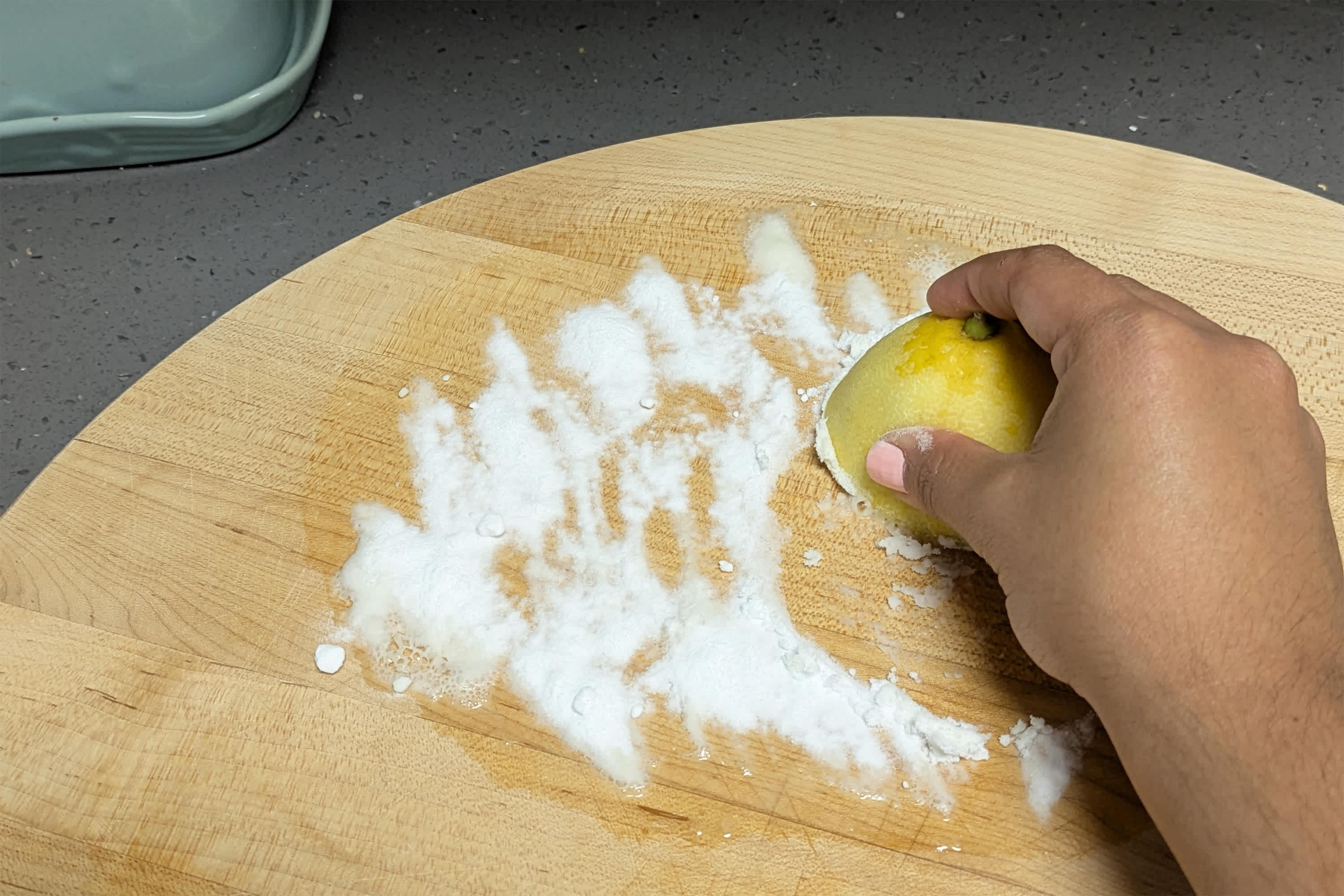
Lemon juice is natural and acidic, making it a great cleaner. Salt works as an abrasive to remove stuck-on food and bacteria. Together, they freshen and sanitize wooden boards.
| Ingredient | Purpose |
|---|---|
| Half a lemon | Provides natural acid to kill germs |
| Coarse salt | Scrubs away residue and dirt |
| Wooden cutting board | Surface to clean and sanitize |
Cut the lemon in half and sprinkle coarse salt on the board. Rub the lemon over the salt in circular motions. Let it sit for a few minutes, then rinse and dry.
Credit: www.thekitchn.com
Avoiding Damage During Cleaning
Wooden cutting boards need special care to stay safe and last longer.
Cleaning them the wrong way can cause damage or make them unsafe.
What Not To Use
Avoid harsh cleaning products and tools that can harm the wood.
- Do not use bleach or strong chemicals.
- Never soak the board in water for a long time.
- Avoid using steel wool or rough scrubbers.
- Do not put wooden boards in the dishwasher.
Preventing Warping And Cracking
Wood can warp or crack if it gets too wet or dries unevenly.
| Cause | How to Avoid |
| Too much water | Wipe clean with a damp cloth, then dry quickly. |
| Uneven drying | Stand the board upright to air dry on all sides. |
| Heat exposure | Keep away from heaters and direct sunlight. |
Maintaining Board Longevity
Wooden cutting boards need care to last a long time. Proper cleaning and maintenance keep them safe and strong.
Sanitizing alone is not enough. You must also protect the wood to avoid cracks and warping.
Oiling And Conditioning
Oiling your wooden board prevents it from drying out and cracking. Use food-safe mineral oil or a special cutting board conditioner.
- Apply oil evenly with a clean cloth
- Let the oil soak in for several hours or overnight
- Wipe off excess oil before use
- Repeat this process once a month or when the wood looks dry
Storage Tips
Proper storage helps avoid mold and warping. Keep your board dry and in a good place.
| Storage Method | Benefit | Tip |
| Stand upright | Allows air circulation | Use a rack or shelf |
| Keep away from heat | Prevents drying and cracking | Avoid stove or dishwasher area |
| Store in a dry place | Stops mold growth | Avoid damp cabinets |
Signs To Replace Your Board
Wooden cutting boards can last a long time with good care. Still, some signs mean it is time to get a new one. Knowing these signs helps keep your kitchen safe and clean.
Check your board often for damage or bad smells. These problems can cause germs to grow and spoil your food.
Deep Cuts And Cracks
Deep cuts and cracks on the board can trap food and bacteria. Cleaning these areas is hard, even with thorough washing. Over time, these cuts can damage the board’s surface and make it unsafe.
- Look for grooves that are hard to clean
- Check for cracks that split the wood
- Replace the board if cuts are very deep
Persistent Odors And Stains
Sometimes, smells and stains stay on the board even after cleaning. These signs show the wood has absorbed strong odors or liquids. This can lead to bad flavors and unsafe food contact.
| Problem | What to Check | Reason to Replace |
| Odors | Smells that stay after washing | Harbors bacteria and bad smells |
| Stains | Dark or deep marks on wood | May hold germs and cause contamination |
Frequently Asked Questions
How Often Should I Sanitize My Wooden Cutting Board?
Sanitize your wooden cutting board after each use with raw meat, poultry, or fish. Regular cleaning with mild soap and water is essential. This practice ensures safety and prevents bacteria buildup. For general use, sanitize weekly to maintain hygiene. Proper maintenance extends the board’s lifespan and keeps your kitchen safe.
Can Vinegar Sanitize A Wooden Cutting Board?
Yes, vinegar is effective for sanitizing wooden cutting boards. Its natural acidity kills bacteria and eliminates odors. Simply spray or wipe the board with undiluted white vinegar. Let it sit for a few minutes before rinsing. Vinegar is a safe, eco-friendly option for maintaining a clean cutting surface.
Is It Safe To Use Bleach On Wood Boards?
Bleach can sanitize wooden cutting boards but should be used sparingly. Dilute one tablespoon of bleach in a gallon of water. Apply the solution, let it sit for a minute, then rinse thoroughly. Avoid frequent use as bleach can damage the wood over time.
Ensure proper ventilation when using bleach.
How Do I Remove Stains From Wooden Cutting Board?
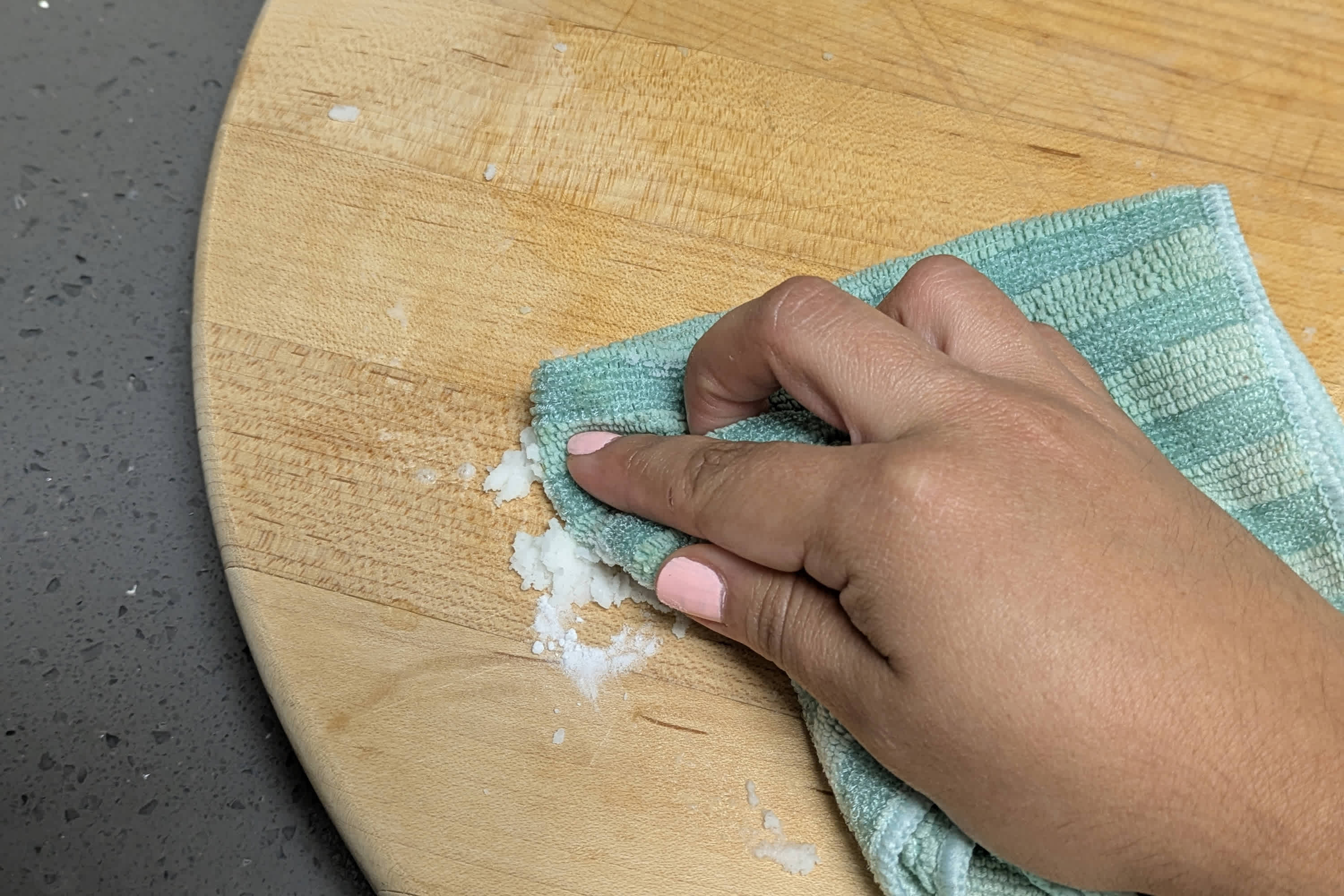
To remove stains, sprinkle baking soda on the board and rub with a damp cloth. Alternatively, use a paste of baking soda and water. Let it sit for a few minutes before rinsing. For tough stains, a lemon half with salt can be effective.
Regular care prevents deep stains.
Conclusion
Sanitizing your wooden cutting board keeps it safe and clean. Use simple household items like vinegar or lemon for easy cleaning. Regular care stops bacteria from growing and protects your food. Dry the board well after washing to avoid damage.
A clean cutting board lasts longer and stays fresh. Keep these tips in mind for healthy cooking every day. Your kitchen will stay safe and your food tastier too. Easy steps. Great results.