Is your home air conditioner not cooling like it used to? You might be low on Freon, the vital refrigerant that keeps your AC running smoothly.
Adding Freon can seem tricky, but with the right steps, you can do it yourself and save money on costly repairs. In this guide, you’ll learn exactly how to add Freon to your home air conditioner safely and effectively. Keep reading to get your cool comfort back without the hassle!
Credit: m.youtube.com
Signs Your Ac Needs More Freon
Signs that your air conditioner needs more Freoninclude several clear symptoms. Reduced cooling efficiencymeans the AC does not cool the room well. It feels warmer than usual.
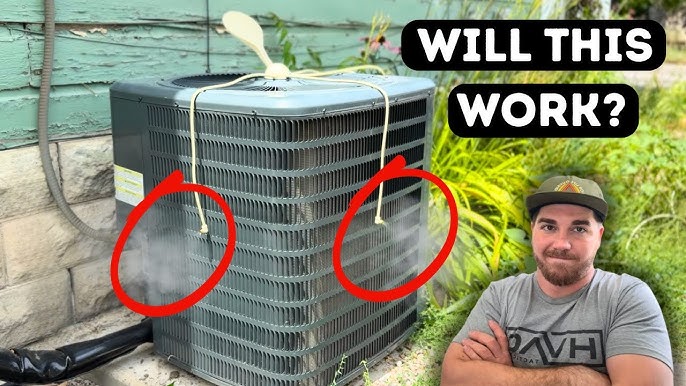
Ice formation on coilshappens when Freon is low. Ice or frost builds on the AC’s cooling parts. This blocks airflow and makes the unit work harder.
Hissing or bubbling soundsnear the AC unit can indicate a Freon leak. These noises come from gas escaping or air mixing with Freon inside the system.
- Cool air feels weak or less cold
- Ice or frost on the coils or pipes
- Strange hissing or bubbling noises
Credit: www.georgiaairrepair.com
Types Of Freon For Home Ac Units
Freonis a common name for several types of refrigerantsused in home air conditioners. The main types include R-22and R-410A. R-22 is older and being phased out due to environmental rules. R-410A is now the standard for new AC units and is more eco-friendly.
Choosing the right refrigerant depends on your AC unit model and age. Using the wrong type can harm the system or reduce efficiency. Check the label on your unit or the user manual for the correct type.
| Refrigerant Type | Common Use | Environmental Impact |
|---|---|---|
| R-22 | Older AC units | High ozone depletion potential |
| R-410A | Newer AC units | Low ozone depletion potential |
Tools And Safety Gear Needed
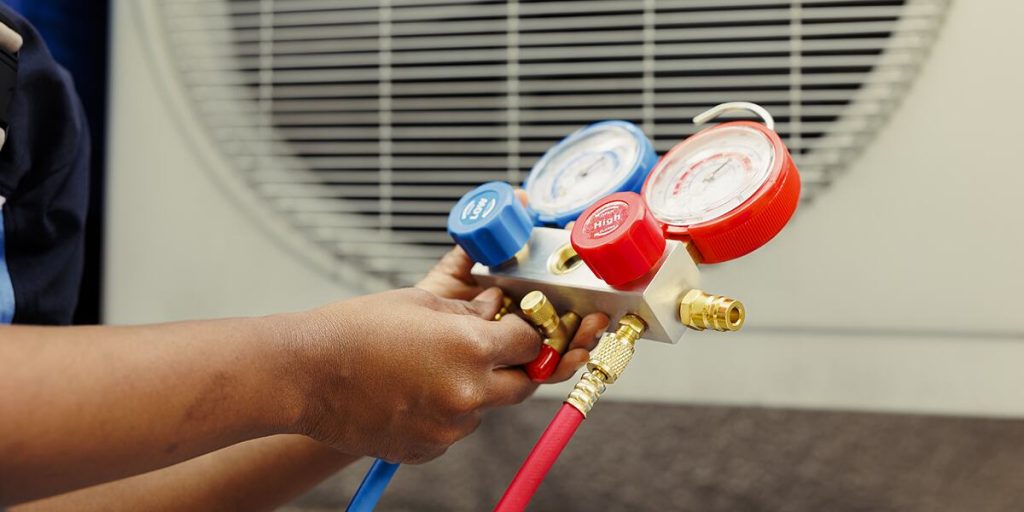
Essential tools include a gauge manifold set, refrigerant tank, and leak detector. A vacuum pumphelps remove air and moisture. Use protective glovesand safety glassesto prevent injury. A flathead screwdrivermay be needed to open the unit.
Safety is very important. Always turn off powerto the air conditioner before starting. Work in a well-ventilated area. Avoid skin or eye contact with Freon. Keep the refrigerant tank upright to prevent leaks. Dispose of empty tanks properly.
Checking Freon Levels
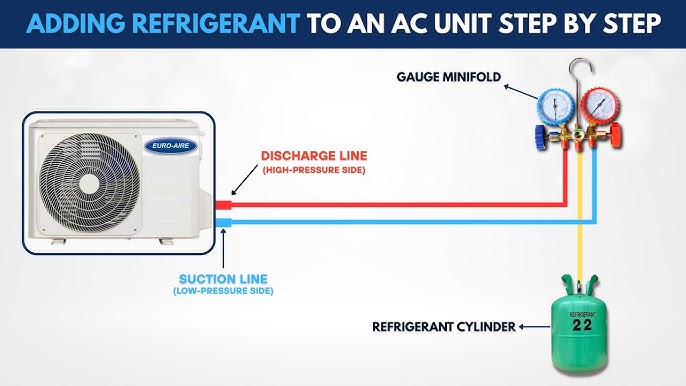
Use a pressure gaugeto check the Freon levels in your air conditioner. Connect the gauge to the service valve on the low-pressure side of the unit. Make sure the AC is running while you take the reading. The gauge will show the pressure in pounds per square inch (PSI).
Compare the pressure reading to the recommended levels for your AC model. These levels depend on the outdoor temperature. Too low pressure means low Freon. Too high pressure may indicate a problem or too much Freon.
| Outdoor Temperature (°F) | Normal Low-Pressure Range (PSI) |
|---|---|
| 60-70 | 55-70 |
| 70-80 | 60-75 |
| 80-90 | 65-80 |
Readings outside these ranges show a need for adjustment. Remember, accurate pressure helps the AC cool well and saves energy.
Step-by-step Freon Recharging Process
Switch off the air conditioner at the thermostat and main power. This ensures safety while working. Wait for the unit to stop completely before starting any work.
Attach the gauge set to the low-pressure service port of the AC unit. Connect the can of Freon to the gauge hose. Ensure all connections are tight to avoid leaks.
Hold the Freon can upright. Slowly open the valve to release the gas. Add Freon in short bursts, not all at once, to avoid overcharging.
Watch the pressure gauge carefully. The ideal pressure depends on outside temperature. Keep checking and stop adding Freon once correct pressure is reached.
Close the valve on the Freon can and disconnect the gauge hoses. Turn the AC unit back on and check if it cools properly. Listen for unusual noises and watch the pressure gauge again for stability.
Common Mistakes To Avoid
Overcharging the systemcan cause serious damage. Too much Freon makes the air conditioner work harder. This can lead to higher energy billsand shorter equipment life.
Ignoring leakswastes refrigerant. Leaks lower cooling power and harm the environment. Always check for leaks before adding Freon. Fix leaks to keep the system healthy and energy efficient.
Using incorrect refrigerantharms the AC unit. Different models need specific types of Freon. Using the wrong kind may cause system failureor void the warranty. Always check the label or manual for the right refrigerant type.
When To Call A Professional
Fixing complex leaks needs special toolsand experience. Small cracks or holes might be hidden inside parts. These require careful inspectionand precise repair. Wrong handling can cause more damageor health risks. Professionals know how to find and fix these leaks safely.
Freon is a regulated chemical. Only certified technicians can buyand handleit legally. This rule helps protect the environmentand people’s health. Untrained people should never try to refill Freon themselves. Following the lawkeeps everyone safe and avoids penalties.

Credit: www.youtube.com
Frequently Asked Questions
How Do I Know If My Ac Needs Freon?
If your AC isn’t cooling well, it might need Freon. Check for warm air or ice on the unit. A professional can confirm if Freon is required. Regular maintenance helps prevent Freon issues.
Can I Add Freon To My Ac Myself?
Adding Freon yourself is not recommended. It’s a job for professionals with proper tools and training. Incorrect handling can damage the system or cause safety hazards. Always consult an HVAC expert for Freon issues.
How Often Should Ac Freon Be Refilled?
Freon isn’t consumed like fuel. If your AC needs a refill, there might be a leak. Regular maintenance helps identify leaks early. Typically, Freon should last the lifetime of the system if there are no leaks.
What Are The Risks Of Low Freon Levels?
Low Freon levels can cause poor cooling and increased energy bills. The AC might overheat, leading to system damage. Prolonged low Freon can reduce the lifespan of your unit. Regular checks can prevent these issues.
Conclusion
Adding Freon to your home air conditioner keeps it cool and efficient. Always check the system’s pressure before adding Freon. Use the correct type of Freon for your unit. Wear safety gear to protect yourself during the process. Follow the steps carefully and do not rush.
Regular maintenance can prevent Freon leaks and other issues. If unsure, ask a professional for help. Keeping your air conditioner charged helps save energy and money. Stay cool and comfortable all summer long.