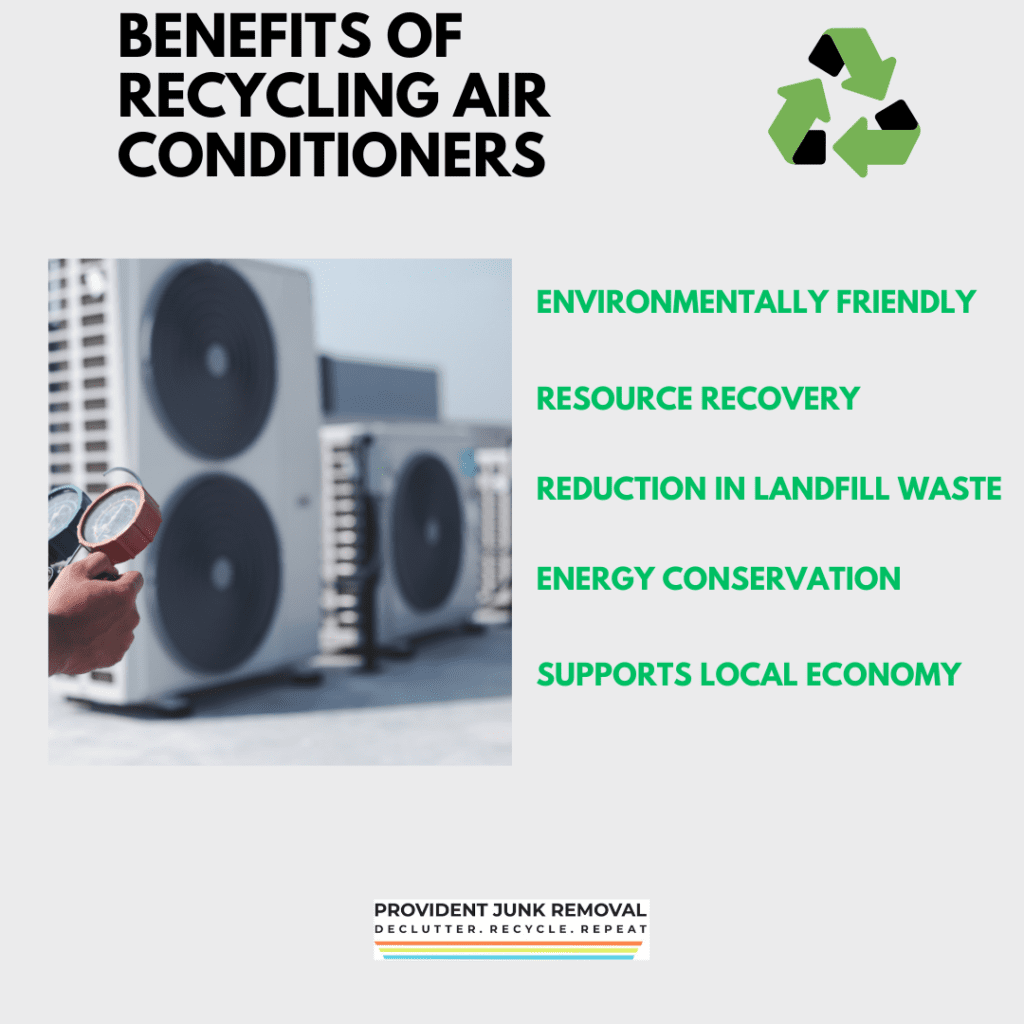
Are you wondering how to get rid of your old air conditioner safely and responsibly? Disposing of an air conditioner isn’t as simple as tossing it out with the trash.
If you don’t handle it the right way, you could harm the environment or even face fines. But don’t worry—this guide will show you exactly what steps to take. By the time you finish reading, you’ll know how to dispose of your air conditioner quickly, safely, and in a way that protects your home and the planet.
Keep reading to learn the smart and easy way to say goodbye to your old AC unit.
Reasons To Dispose Air Conditioners Properly
Proper disposal of air conditioners is important for safetyand the environment. Old units may contain harmful chemicalslike refrigerants. These chemicals can cause air and water pollutionif not handled correctly.
Many parts of an air conditioner can be recycled. Metals and plastics can be reused, which helps reduce waste. Throwing them away with regular trash can be dangerousand illegalin some areas.
- Protects the environment from toxic gases
- Prevents soil and water contamination
- Allows reuse of valuable materials
- Helps follow local laws and rules
- Reduces landfill waste
Hazards Of Improper Disposal
Improper disposal of air conditioners can cause serious harmto the environment and health. These units contain harmful chemicalscalled refrigerants. They can damage the ozone layerand increase global warming. Toxic metals like lead and mercurymay also leak into soil and water.
Air conditioners have parts that are not safe to throw in regular trash. They need special handling and recycling to keep people and nature safe.
- Refrigerants can cause air pollution.
- Leaking metals can contaminate water.
- Improper disposal hurts wildlife.
- Old parts may cause fire hazards.
Preparing Your Ac For Disposal
Ensure the air conditioner is turned offand unpluggedbefore any work. This prevents electrical accidentsand ensures safety.
Removing refrigerants is important. These chemicals can harm the environmentif released. Use a professional serviceto handle refrigerants safely.
Disconnect all electrical componentscarefully. This includes wires and plugs. Label parts if needed to avoid confusion later.

Credit: www.acdirect.com
Recycling Options For Air Conditioners
Many local recycling centersaccept old air conditioners. They safely remove harmful chemicals like refrigerants. This helps protect the environment. Some centers may charge a small fee or offer free drop-off days. It is best to check their rules before bringing your unit.
Manufacturer take-back programslet you return old air conditioners. Some brands offer this service for free or a small cost. They recycle parts and dispose of harmful materials properly. This option is often simple and safe for the environment.
Donating Or Selling Functional Units
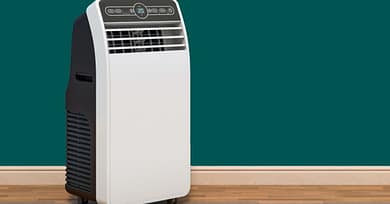
Functional air conditioners can be donated or soldto help others. Many people need affordable cooling devices. Donating to local charities or community centers is a good choice. Selling through online marketplaces reaches more buyers. Make sure the unit is clean and working well. Provide clear photos and accurate descriptions to attract interest. Some organizations offer free pickup for donations. Check local rules about selling used appliances. Properly packaging the unit protects it during transport. This helps ensure it arrives safely and ready to use. Donating or selling reduces waste and helps the environment.
Credit: nixxitjunk.com
Hiring Professional Disposal Services
Professional disposal services help remove old air conditioners safely. They handle harmful chemicals like refrigerants correctly. This prevents damage to the environment and health risks.
Experts also recycle parts that still work. This reduces waste and saves resources. Hiring professionals saves time and effort for homeowners.
- Certified technicians follow local laws and rules.
- Proper tools are used for safe removal.
- Recycling helps reduce landfill waste.
- Some services offer pickup and disposal at your home.
Tips To Reduce Environmental Impact
Energy-efficient air conditionersuse less power and help save the planet. These models reduce electricity bills and lower greenhouse gas emissions. Choosing one with a high Energy Star rating is a smart move.
Regular maintenance keeps air conditioners working well for a long time. Clean or replace filters often. Check for leaks and fix them quickly. This stops harmful chemicals from escaping and harming nature.
- Choose models with energy-saving features.
- Keep filters cleanto improve airflow.
- Fix any refrigerant leaksfast.
- Schedule annual check-upsto ensure efficiency.

Credit: www.thespruce.com
Frequently Asked Questions
How To Safely Dispose Of An Air Conditioner?
To safely dispose of an air conditioner, contact local waste management or recycling centers. Many areas have specific disposal programs for appliances containing refrigerants. Some retailers also offer take-back programs when you purchase a new unit. Always ensure refrigerants are removed by certified technicians to prevent environmental harm.
Can I Recycle My Old Air Conditioner?
Yes, you can recycle your old air conditioner. Many recycling centers accept appliances for recycling. Ensure that refrigerants are properly handled by certified professionals before recycling. Contact local facilities to learn about their specific processes and requirements. Recycling helps recover valuable materials and prevents environmental damage.
What Is The Cost To Dispose Of An Air Conditioner?
The cost to dispose of an air conditioner varies by location. Some centers offer free disposal services, while others charge a fee. Fees typically cover the safe removal of refrigerants and recycling processes. Contact your local waste management or recycling center for specific pricing details.
Where Can I Find Air Conditioner Disposal Services?
You can find air conditioner disposal services through local waste management or recycling centers. Some appliance retailers offer disposal services when you purchase a new unit. Research online or contact local government agencies for guidance on available services in your area.
Conclusion
Proper disposal of your air conditioner protects the environment. Avoid throwing it in regular trash bins. Find local recycling centers or special disposal services. Remove harmful chemicals safely before recycling. This helps reduce pollution and saves resources. Taking small steps makes a big difference.
Stay responsible and keep your home and community safe. Dispose of old air conditioners the right way. It’s simple and helps everyone breathe easier.