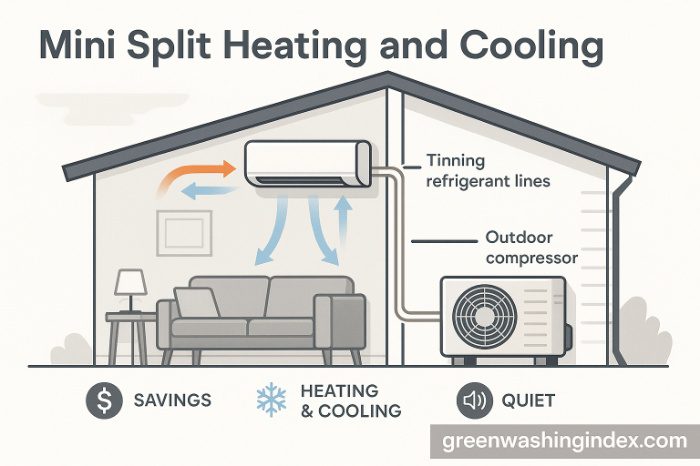
Have you ever wondered what makes your home stay cool and comfortable during hot days? A typical residential split system air conditioner is more than just a box on your wall—it’s a smart combination of parts working together to keep your space just right.
Understanding these key components can help you take better care of your system and even save on energy bills. Keep reading, and you’ll discover exactly what’s inside your air conditioner and why each part matters to your comfort.
Main Parts Of A Split Ac
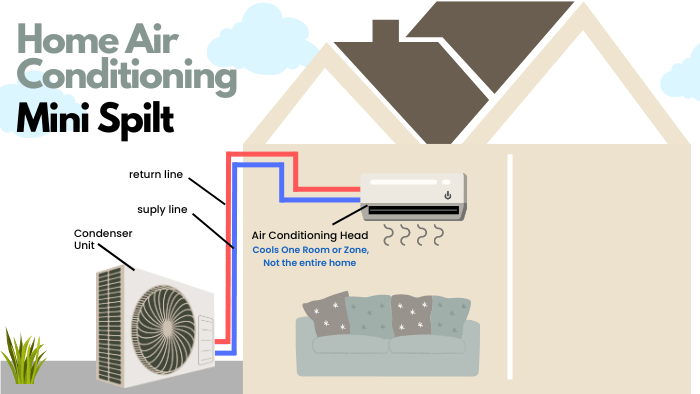
The indoor unitcools the air inside your room. It has an evaporator coilthat absorbs heat. A fanblows air over this coil to cool the room air. The unit also contains an air filterthat cleans dust and dirt. A drain piperemoves the water made from air moisture. The control panellets you set the temperature and mode.
The outdoor unitsends heat outside your home. It holds the compressor, which pumps refrigerant through the system. The condenser coilreleases heat from the refrigerant. A fanblows air to cool the condenser coil. The unit is built to handle weather and keep the system working well.
Indoor Unit Details
The evaporator coilcools the air by absorbing heat. It changes the refrigerant from liquid to gas. This process removes heat from inside your home.
The blower fanmoves air through the evaporator coil. It pushes cooled air into rooms. This fan helps keep the air flowing smoothly.
The air filtercleans the air before it enters the system. It traps dust, dirt, and pollen. Clean filters improve air quality and system performance.
The thermostatcontrols the temperature. It tells the system when to turn on or off. This helps keep your home comfortable and saves energy.
Outdoor Unit Details
The compressorpumps refrigerant through the system. It raises the pressure and temperature of the gas. This helps move heat from inside to outside.
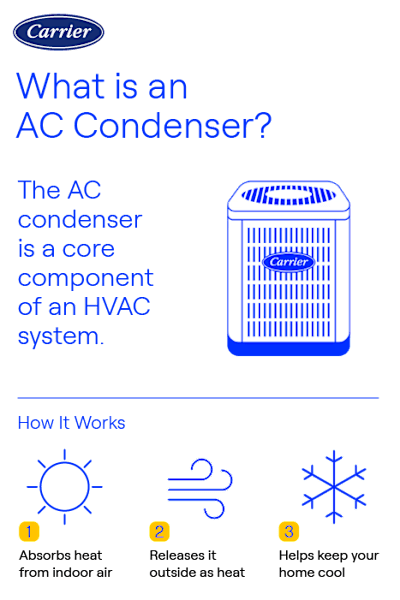
The condenser coilcools the hot gas from the compressor. It changes the gas back into a liquid by releasing heat to the air.
The expansion valvecontrols the flow of refrigerant. It lowers the pressure and temperature before the refrigerant enters the indoor unit.
The cooling fanblows air over the condenser coil. This helps move heat away from the refrigerant quickly.
Credit: www.carrier.com
Refrigerant Role
The refrigerantmoves heat from inside to outside the home. It absorbs heat as a liquid and turns into a gas. Then, it releases heat outside and changes back to liquid. This heat transfer processkeeps your home cool and comfortable.
| Common Refrigerants | Key Features |
|---|---|
| R-410A | Non-ozone depleting, high efficiency |
| R-22 | Older type, being phased out |
| R-32 | Lower global warming potential, efficient |
Electrical Components
The control boardacts as the brain of the air conditioner. It manages all electrical signals and commands. It tells different parts when to start or stop. The board also helps protect the system from damage.
Capacitorsstore and release energy to start the compressor and fan motors. They help these motors run smoothly and efficiently. Without capacitors, the system may not start or run properly.
Wiring and sensorsconnect all parts and send important data. Sensors monitor temperature and system performance. Wiring ensures power flows safely and correctly. Together, they keep the system working well and safe.
Credit: thegentlemenpros.com
Installation Essentials
Connecting indoor and outdoor units requires careful handling of refrigerant lines and electrical wires. These lines carry the coolant that cools your home. Proper connection ensures the system works well and lasts longer.
Insulation is key to keeping the cool air inside and heat outside. Use high-quality insulation materials around pipes and joints. This prevents energy loss and saves electricity.
- Seal all gaps around pipes to stop air leaks.
- Check connections for tightness to avoid refrigerant leaks.
- Use weatherproof materials for outdoor connections.
- Ensure electrical wiring is safely covered and insulated.
Maintenance Tips
- Clean filtersevery month to keep air flowing well.
- Use warm water and mild soap to wash filters gently.
- Dry filters fully before putting them back in place.
Check refrigerant levelsto ensure the system cools properly.
Low refrigerant can cause poor cooling and high energy use.
Have a professional check and refill refrigerant if needed.
- Inspect electrical partsfor loose wires or damage.
- Tighten connections and replace worn parts to avoid breakdowns.
- Turn off power before checking any electrical components.
Credit: www.greenbuildermedia.com
Frequently Asked Questions
What Are The Main Parts Of A Split Ac?
A typical residential split system air conditioner includes an indoor unit, outdoor unit, refrigerant, and thermostat. The indoor unit contains the evaporator coil and air filter. The outdoor unit houses the compressor and condenser coil. These components work together to cool your home efficiently.
How Does A Split Ac System Work?
The split AC system works by circulating refrigerant between indoor and outdoor units. The indoor unit absorbs heat, which the refrigerant carries to the outdoor unit. The outdoor unit then releases the heat outside. This process cools the indoor air, making your home comfortable.
What Is The Role Of The Compressor?
The compressor is the heart of a split AC system. It pumps refrigerant between the indoor and outdoor units. This movement allows heat exchange, cooling the indoor air. A well-functioning compressor is crucial for efficient air conditioning.
How Does The Evaporator Coil Function?
The evaporator coil absorbs heat from indoor air. It allows the refrigerant to evaporate, pulling heat from the air. This process cools the air, which then circulates back into your home. The evaporator coil is essential for effective cooling.
Conclusion
A typical residential split system air conditioner has key parts that work together. The indoor unit cools the air inside your home. The outdoor unit releases heat outside. Pipes connect both units and carry refrigerant. A thermostat helps control the temperature easily.
Understanding these parts helps you use the system better. It also makes maintenance simpler and can extend the unit’s life. Remember, regular care keeps your air conditioner running well. This knowledge makes living in warm weather more comfortable.