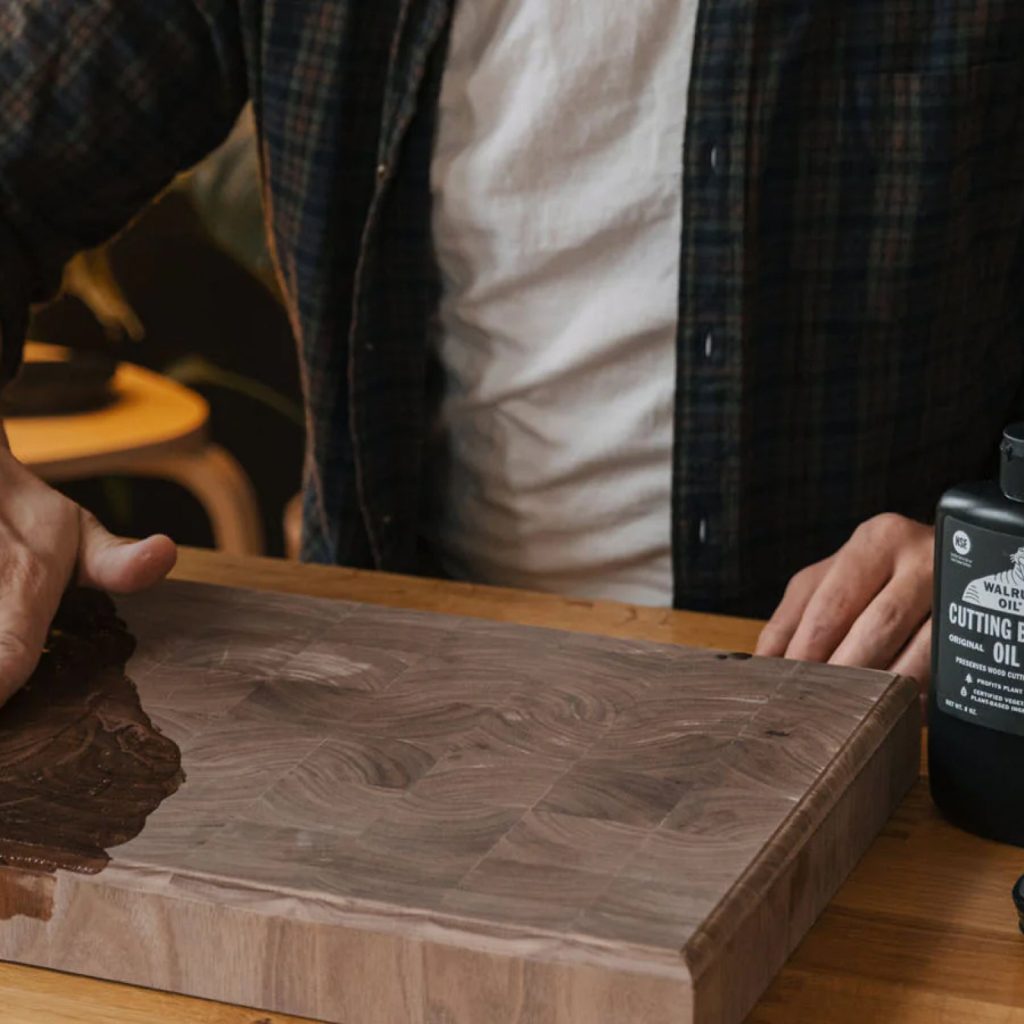
Your cutting board is more than just a kitchen tool—it’s where your meals come to life. But have you ever noticed it looking dry, cracked, or worn out?
That’s a sign it needs some care. Oil can do wonders for your cutting board, keeping it strong, safe, and looking great. If you want to protect your investment and make sure your board lasts for years, understanding why and how to oil it is key.
Keep reading to discover simple steps that will transform your cutting board and make your kitchen routine smoother.

Credit: woodforchef.com
Benefits Of Oiling
Oiling a cutting board helps keep it strong and useful for a long time. Wood can dry out and get damaged without oil.
Applying oil is a simple way to protect your cutting board. It keeps the wood in good shape and looking nice.
Protects Against Cracks
Wood can crack when it dries out. Oil adds moisture to the wood, stopping it from becoming too dry.
Keeping the wood hydrated helps prevent cracks and splits that can ruin the cutting board.
Prevents Warping
Wood changes shape when it loses or gains water. Oil keeps the moisture level steady inside the board.
This stops the board from bending or twisting, which can make it hard to use and unsafe.
Enhances Wood Appearance
Oiling brings out the natural colors and grain of the wood. It makes the board look fresh and polished.
The oil adds a soft shine that makes the wood more attractive without changing its texture.
Resists Stains And Odors
Oiled wood absorbs less water and food juices. This lowers the chance of stains forming on the board.
The oil also helps keep strong smells from soaking into the wood, making cleaning easier.
Choosing The Right Oil
Oiling a cutting board keeps it strong and stops it from drying out. Picking the right oil helps protect your board and keeps it safe for food use.
Not all oils work well on cutting boards. Some can turn sticky or go bad. Learn which oils are best for your wood board.
Food-safe Oils To Use
Food-safe oils keep your cutting board in good shape without harming your health. These oils do not go rancid and protect the wood well.
- Mineral oil – clear, odorless, and lasts long
- Fractionated coconut oil – stays liquid and safe for food
- Walnut oil – natural and good for wood, but watch for allergies
- Raw linseed oil – natural but takes longer to dry
Oils To Avoid
Some oils are not good for cutting boards. They can smell bad, turn sticky, or even grow mold. Avoid these oils to keep your board fresh.
- Vegetable oils like olive, canola, or sunflower
- Butter or animal fats
- Cooking oils that go rancid quickly
- Any oil with added flavors or chemicals
Comparing Mineral And Natural Oils
Mineral oil is made from petroleum but is safe for food use. It does not spoil and protects wood well. Natural oils come from plants and may smell nice.
Natural oils can dry and harden, which is good for protection. But some natural oils can cause allergies or go bad. Mineral oil is easy to find and lasts longer.
| Feature | Mineral Oil | Natural Oils |
|---|---|---|
| Food safe | Yes | Yes (some exceptions) |
| Lasts long | Yes | Depends on type |
| Smell | Odorless | Varies, can be strong |
| Dries to hard finish | No | Yes (like linseed) |
| Allergy risk | Low | Possible (nuts) |
How Often To Oil
Oiling your cutting board keeps it strong and safe. It stops the wood from drying out and cracking.
Knowing how often to oil your board helps it last longer. It also keeps your food safe from germs.
Signs Your Board Needs Oiling
Look for these signs to know when your board needs oiling. Regular checks protect your board from damage.
- The wood looks dry or dull
- Small cracks or splits appear
- Water soaks in quickly
- The surface feels rough or uneven
Seasonal Oiling Schedule
Oiling your board every few months keeps it healthy. You can follow a simple seasonal schedule.
- Winter: Oil the board once to prevent drying in cold air
- Spring: Oil after heavy use during cooking seasons
- Summer: Oil regularly if used often for outdoor cooking
- Fall: Oil before storing the board for winter
Credit: walrusoil.com
Step-by-step Oiling Process
Oiling a cutting board keeps it strong and safe to use. It stops the wood from drying out and cracking.
Follow these steps to oil your cutting board the right way. This will help it last longer and look better.
Cleaning Before Oiling
Clean the cutting board well before oiling. Remove all food particles and stains.
Use warm water and mild soap. Rinse and dry the board completely.
- Scrub gently with a soft sponge
- Do not soak the board in water
- Let it air dry fully before oiling
Applying Oil Evenly
Pour a small amount of food-safe oil on the board. Use a clean cloth or brush to spread it.
Make sure to cover the entire surface, including edges and sides.
- Use mineral oil or cutting board oil
- Apply thin, even layers
- Do not pour too much oil at once
Allowing Proper Absorption
Let the oil soak into the wood for several hours. This helps the wood absorb the oil well.
Keep the board in a dry place during this time. Avoid using the board until the oil is absorbed.
- Wait at least 4 hours or overnight
- Check if the board looks dry or wet
- Repeat oiling if the board looks dry
Wiping Off Excess Oil
After the oil absorbs, wipe off any extra oil on the surface. Use a clean, dry cloth for this.
Removing excess oil prevents a sticky surface and helps the board stay clean.
- Use soft cloth or paper towel
- Rub gently to remove oil residue
- Store the board in a dry place
Additional Care Tips
Oiling your cutting board helps keep it in good shape. It stops the wood from drying out and cracking. Along with oiling, some care tips keep your board strong and safe to use.
These tips help your cutting board last longer and stay clean. Following them is easy and protects your board well.
Avoiding Excess Moisture
Too much water can damage a wooden cutting board. It can cause the wood to swell and warp. Keep your board dry by washing it quickly and drying it right away.
- Wash the board with mild soap and warm water only.
- Do not soak the board in water.
- Dry the board immediately with a clean towel.
- Let it air dry standing up or on a rack.
Proper Storage Methods
Storing your cutting board correctly keeps it in shape. Avoid leaving it flat on wet surfaces. Store it in a dry place with good air flow to stop mold and bacteria growth.
| Storage Tip | Reason |
| Store upright or on edge | Allows air to dry both sides |
| Avoid damp cabinets | Prevents mold and mildew |
| Keep away from heat sources | Prevents warping and cracking |
Using A Board Conditioner
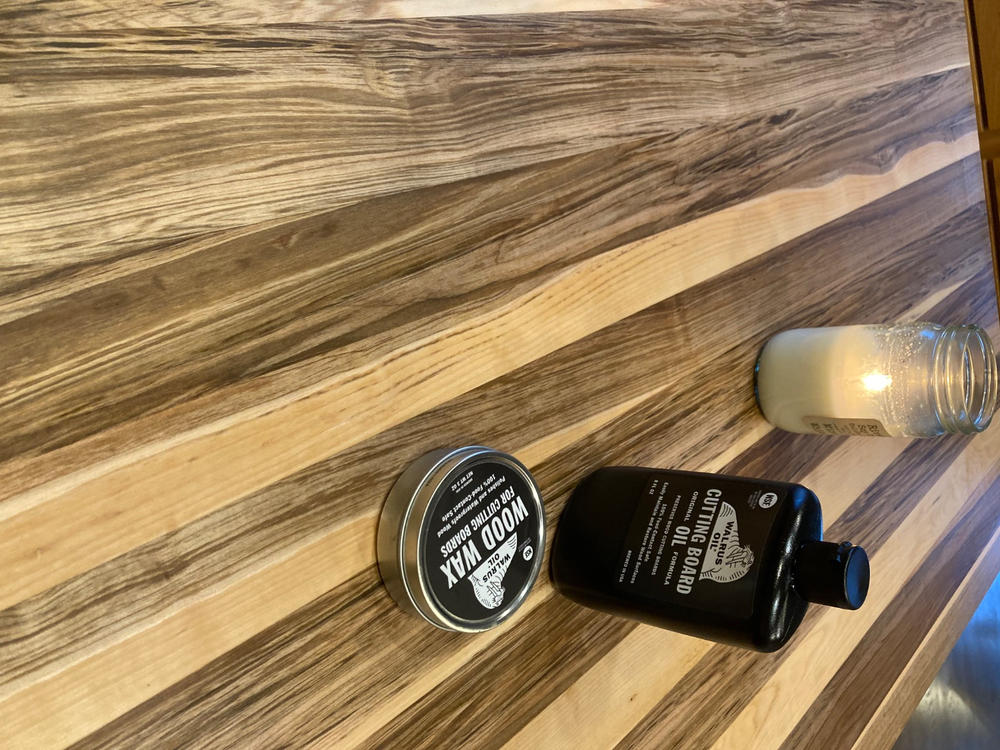
Board conditioners help keep wood smooth and protected. They often mix oil and wax. Use conditioner after cleaning and drying your board. It seals the wood and keeps moisture out.
Tips for applying board conditioner:
- Use a clean cloth or paper towel.
- Apply a small amount evenly over the surface.
- Let it soak in for several hours or overnight.
- Wipe off any extra before use.
Common Mistakes To Avoid
Oiling a cutting board keeps it in good shape and lasts longer. Many people make simple mistakes that can harm the board. Avoiding these errors helps maintain your board’s quality.
This guide explains common mistakes to avoid when oiling your cutting board. Follow these tips for the best care.
Using The Wrong Oil
Not all oils are safe for cutting boards. Some oils can go bad and make your board sticky or smelly. Avoid oils that dry out or become rancid.
Choose oils that are food-safe and do not spoil quickly. Mineral oil is a popular choice because it does not go bad easily.
- Avoid cooking oils like olive or vegetable oil
- Do not use motor oil or non-food oils
- Use food-grade mineral oil or specialized cutting board oil
Over-oiling Or Under-oiling
Applying too much oil makes the board sticky and attracts dirt. Too little oil lets the wood dry out and crack. Find a balance to keep the board healthy.
Oil the board evenly and wipe off any extra. Repeat oiling when the board looks dry, not on a fixed schedule.
- Use a small amount of oil each time
- Rub oil in, then wipe off excess
- Check the board’s dryness before oiling again
Ignoring Cracks And Damage
Oiling a damaged board does not fix cracks or deep cuts. These can trap bacteria and cause the board to break faster. Always check for damage before oiling.
Repair small cracks and sand rough spots before applying oil. Replace the board if damage is severe to keep your kitchen safe.
- Inspect your board for cracks and deep cuts
- Sand damaged areas gently before oiling
- Replace boards with severe damage or deep cracks

Credit: ca.maisonrodin.com
Frequently Asked Questions
Why Should You Oil A Cutting Board?
Oiling a cutting board helps maintain its durability and appearance. It prevents cracking by keeping the wood hydrated and protected. Regular oiling also creates a barrier against moisture and bacteria. This ensures a safer food preparation surface. It enhances the board’s longevity and overall performance in your kitchen.
How Often Should You Oil A Cutting Board?
You should oil your cutting board once a month. This frequency keeps the board in top condition. However, if your board looks dry or feels rough, oil it more frequently. Regular oiling ensures the board remains functional and attractive. Adjust based on your usage and kitchen environment.
What Type Of Oil Is Best For Cutting Boards?
Food-grade mineral oil is best for cutting boards. It is odorless, tasteless, and safe for food contact. Mineral oil penetrates the wood and maintains its moisture. Avoid vegetable oils as they can turn rancid. Always choose oils specifically labeled for cutting board maintenance.
Can You Use Olive Oil On A Cutting Board?
Using olive oil on a cutting board is not recommended. Olive oil can become sticky and rancid over time. This affects the wood’s appearance and smell. Instead, opt for food-grade mineral oil. It provides the best protection and longevity for your cutting board without any unpleasant side effects.
Conclusion
Oiling a cutting board keeps it strong and safe. It stops the wood from drying out and cracking. Oiled boards resist water and stains better. This helps food stay clean and fresh. Regular oiling also makes the board look nice for longer.
A simple step, but it protects your kitchen tool well. Take care of your cutting board, and it will last. Healthy cooking starts with a well-kept board. Easy to do, worth the effort every time.