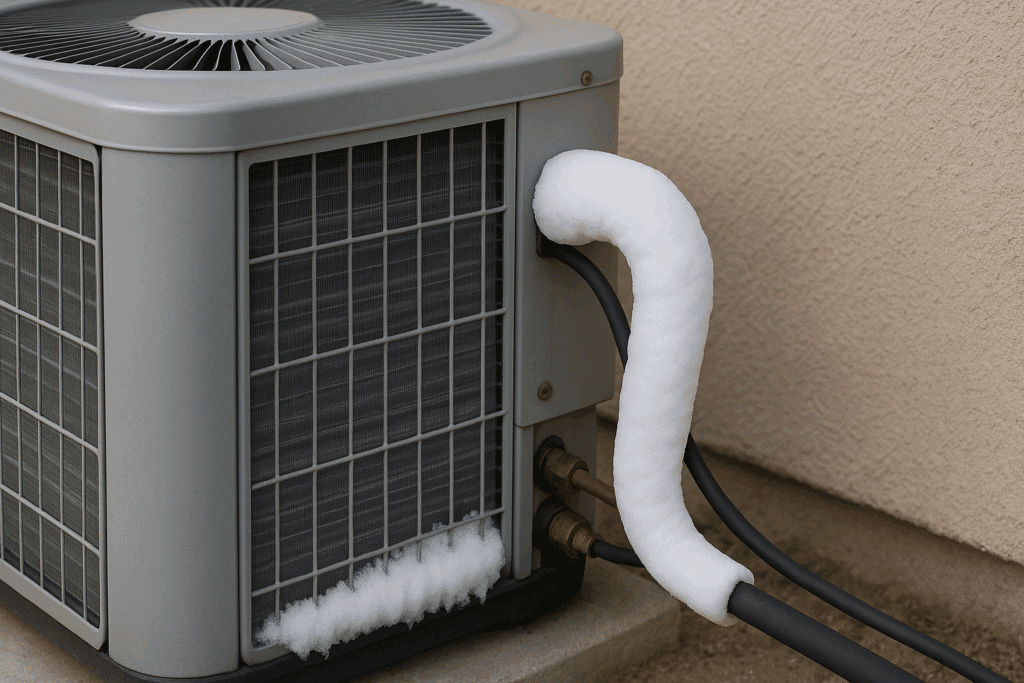
Is your air conditioner freezing up again? It’s frustrating when your AC suddenly stops working, leaving you hot and uncomfortable.
But don’t worry—this problem is more common than you think, and you can fix it. Understanding why your air conditioner freezes and learning simple steps to prevent it can save you time, money, and stress. Keep reading to discover easy tips that will help keep your AC running smoothly and your home cool all summer long.

Credit: www.callacs.com
Common Causes Of Ac Freezing
Low refrigerant levelscause the AC coil to get too cold. This makes water freeze on the coil. It stops the AC from cooling well and can damage the unit.
Dirty air filtersblock airflow. Less air flows over the coil, which gets too cold. This leads to ice buildup and poor cooling. Clean filters often help.
Blocked airflowalso causes freezing. Obstructions like furniture or vents reduce air movement. The coil stays too cold and ice forms. Keep vents clear for better air.
Thermostat issuescan make the AC run too long or too cold. This causes the coil to freeze. Check the thermostat settings and replace batteries if needed.
Signs Your Ac Is Freezing
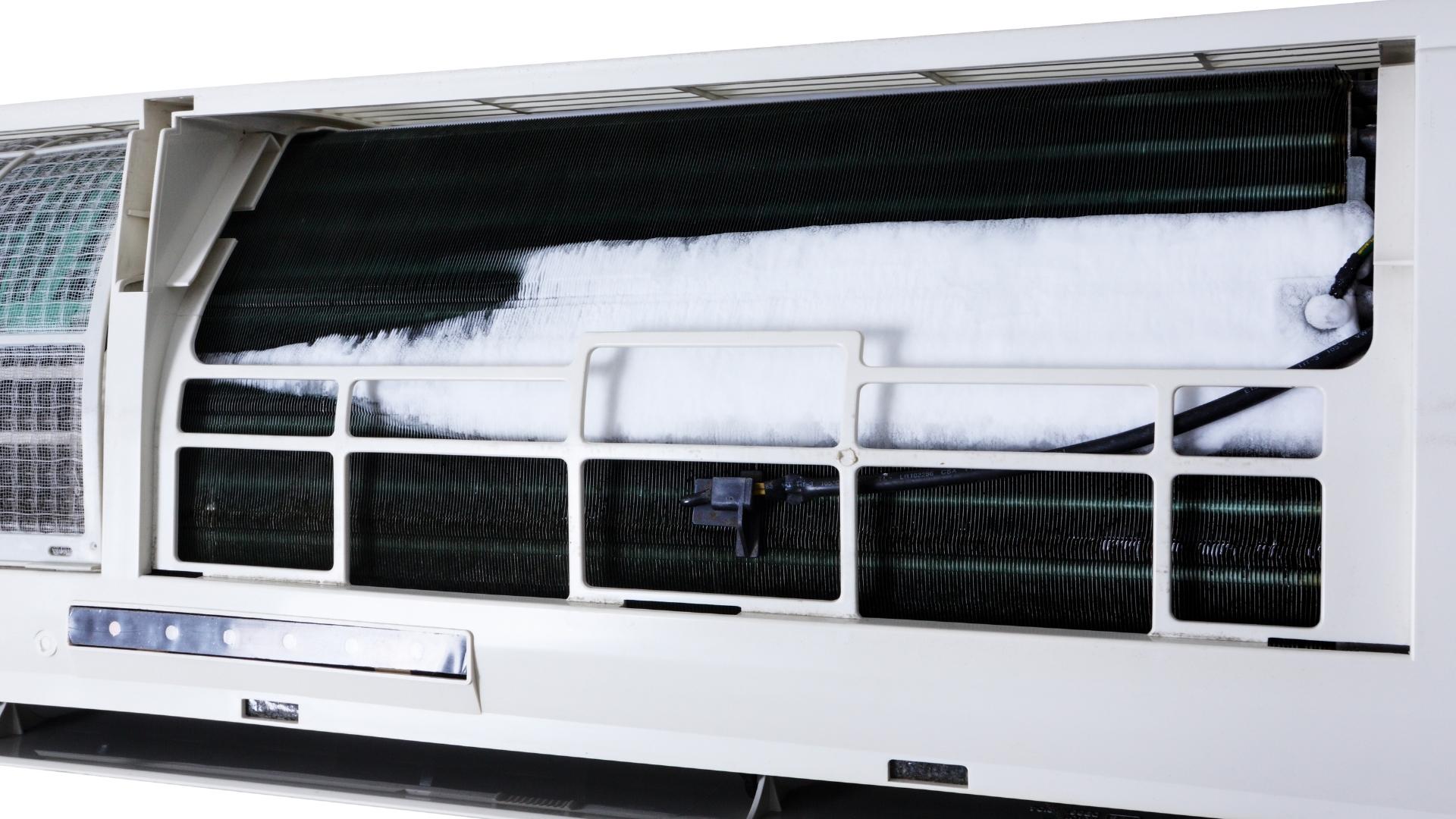
Ice on the coilsis a clear sign your AC is freezing. The coils look covered with frost or ice. This stops the AC from working well. It also can damage the system over time.
Reduced cooling efficiencymeans the AC is not cooling your home like before. You may feel less cold air or no air at all. This happens because ice blocks air flow inside the unit.
Unusual noiseslike rattling, hissing, or banging can show freezing problems. These sounds come from the AC struggling to work with frozen parts. Pay attention to any new or strange noises during operation.
Simple Fixes To Prevent Freezing
Regular filter cleaninghelps air move freely through your AC. Dirty filters block airflow and cause freezing. Clean or replace filters every 1-3 months for best results.
Proper airflowis key to stopping ice buildup. Make sure vents are open and not blocked by furniture or curtains. Clear debris from outdoor units to keep air flowing.
Thermostat settingsaffect AC performance. Keep the temperature at a steady, comfortable level. Avoid setting it too low, which can cause the system to work too hard and freeze.
Coils need inspection and cleaningto work well. Dirty coils reduce cooling and may cause ice. Clean evaporator and condenser coils gently with a soft brush or vacuum every few months.
Credit: www.thervgeeks.com
When To Call A Professional
Refrigerant rechargeis needed if your AC has low cooling power. Low refrigerant causes freezing inside the unit. A professional checks for leaks and adds the right amount of refrigerant. Compressor issuescan also cause freezing. The compressor moves refrigerant through the system. If it breaks, the unit may freeze or stop cooling. Fixing this needs expert tools and skills.
Electrical problemslike faulty wiring or damaged controls can lead to freezing. These issues affect how the AC runs and may cause safety risks. A trained technician will diagnose and repair the electrical faults safely.
Maintenance Tips For Long-term Care
Regular inspectionshelp catch small issues early. Check the unit for dirt, ice build-up, and blockages. Clean or replace filters every 1-3 months to keep air flowing well. Inspect the coils and fins for damage or dirt. Clear debris from around the outdoor unit to avoid airflow problems.
Place your air conditioner in a shadyspot if possible. Avoid direct sunlight and strong winds. Proper placement helps the unit work efficiently and prevents freezing. Keep the unit away from plants or objects that block airflow.
- Set the programmable thermostat to maintain steady temperatures.
- Avoid very low temperature settings that can cause freezing.
- Use timer settings to run the AC only when needed.
- This saves energy and protects the unit from overworking.

Credit: www.reddit.com
Frequently Asked Questions
Why Does My Air Conditioner Freeze Up?
An air conditioner can freeze due to restricted airflow or low refrigerant levels. Dirty filters, blocked vents, or closed registers can also cause freezing. Regular maintenance, such as cleaning filters and checking refrigerant levels, can help prevent this issue and ensure efficient operation.
How Can I Prevent Ac Freezing?
To prevent your AC from freezing, ensure regular maintenance and cleaning. Replace filters monthly and check for proper airflow. Keep vents and registers open and unblocked. Monitor refrigerant levels and fix any leaks promptly. Ensure the thermostat is set appropriately to avoid overworking the unit.
What Are Signs Of A Freezing Ac Unit?
Signs of a freezing AC unit include reduced airflow and ice buildup on the coils. You might notice water dripping from the unit or unusual noises. If the air conditioner struggles to maintain temperature, it could indicate freezing. Regular checks can help identify these issues early.
How Do I Fix A Frozen Air Conditioner?
To fix a frozen AC, turn off the unit and let it thaw completely. Check for airflow obstructions like dirty filters or blocked vents. Inspect refrigerant levels and fix any leaks. Restart the system and monitor for recurring issues. If problems persist, consult a professional technician.
Conclusion
Keeping your air conditioner from freezing up takes regular care. Clean or replace the filters often. Check the airflow and make sure vents are open. Keep the thermostat at a steady, moderate temperature. Watch for ice buildup and turn off the unit if you see any.
Small steps prevent big problems later. Stay alert to sounds or smells that seem off. A well-maintained AC runs better and lasts longer. Simple habits save money and keep your home cool. Stay comfortable all summer with these easy tips.