Your plastic cutting board is a kitchen essential, but it can also hide harmful bacteria if not cleaned properly. You might think washing it with soap and water is enough, but that’s not always true.
If you want to protect your family from foodborne illnesses, you need to know the right way to disinfect your cutting board. You’ll discover simple, effective steps to keep your plastic cutting board spotless and safe. Keep reading to learn how easy it is to make your kitchen a healthier place.
Credit: en.brilio.net
Choosing The Right Cleaner
Cleaning your plastic cutting board well keeps food safe. Picking the right cleaner helps remove germs and stains.
Some cleaners work better on plastic and do not cause damage. Use safe products that kill bacteria effectively.
Common Household Disinfectants
Many disinfectants you have at home can clean plastic boards. These kill germs and remove odors quickly.
- Bleach: Mix one tablespoon with a gallon of water. Soak the board for a few minutes.
- Hydrogen Peroxide: Spray on the board and let it sit for 10 minutes.
- Rubbing Alcohol: Wipe the surface to kill bacteria.
- Dish Soap: Wash with soap and hot water before disinfecting.
Always rinse well after using these cleaners. Let the board dry completely before use.
Natural Alternatives
You can use natural cleaners that are gentle on plastic. These options also help keep your kitchen eco-friendly.
- White Vinegar: Spray or soak the board for 5-10 minutes to kill germs.
- Baking Soda: Make a paste with water to scrub away stains and smells.
- Lemon Juice: Rub on the board to remove odors and brighten the surface.
Natural cleaners work well but may need more time to disinfect. Rinse and dry the board after cleaning.
Pre-cleaning Preparation
Keeping your plastic cutting board clean is important for food safety. Preparing it before disinfecting helps remove germs and dirt.
This guide covers how to prepare your cutting board by removing food residue and washing it properly.
Removing Food Residue
Start by scraping off leftover food pieces from the surface. This makes washing easier and more effective.
- Use a spatula or scraper to remove stuck food.
- Rinse the board under warm running water.
- Check all sides, including edges and grooves.
- Discard any large bits in the trash before washing.
Washing With Soap And Water
After removing residue, wash the board thoroughly to clean germs and stains.
| Washing Steps | Details |
| 1. Apply dish soap | Use a small amount of mild soap on a sponge or brush. |
| 2. Scrub all surfaces | Clean both sides and edges carefully. |
| 3. Rinse well | Use warm water to remove all soap and dirt. |
| 4. Dry completely | Use a clean towel or air dry the board before disinfecting. |
Effective Disinfection Techniques
Plastic cutting boards can hold bacteria if not cleaned well. Disinfecting them keeps food safe to eat.
Use simple methods with common household items to kill germs effectively.
Using Bleach Solutions
Bleach is a strong cleaner that kills many types of germs on plastic surfaces. Use it carefully for safety.
Mix one tablespoon of bleach with one gallon of water. Soak the cutting board in this solution for a few minutes.
- Rinse the board with clean water after soaking.
- Let the board air dry completely before use.
- Do not use bleach on wooden cutting boards.
Applying Vinegar And Hydrogen Peroxide
Vinegar and hydrogen peroxide are natural cleaners that kill bacteria well on plastic boards.
Spray vinegar on the board first. Wait a few minutes, then spray hydrogen peroxide over it. Let it sit to work.
- Do not mix vinegar and hydrogen peroxide in the same container.
- Rinse the board with water after treatment.
- Dry the board fully before using again.
Sanitizing With Heat
Plastic cutting boards can hold bacteria after use. Using heat helps kill germs fast and safely. Heat breaks down bacteria and keeps your kitchen clean.
There are easy ways to use heat for sanitizing. Two common ways are using a dishwasher or boiling water. Both methods use high temperatures to clean well.
Dishwasher Method
Most dishwashers use hot water that can kill germs on plastic boards. Place your cutting board on the top rack for the best results. Use the hottest setting available.
The heat and detergent work together to clean and sanitize. This method is quick and easy. It also dries the board well, reducing bacteria growth.
- Put the cutting board on the top rack
- Choose the hottest water setting
- Run a full washing cycle
- Remove and air dry completely
Boiling Water Technique
Boiling water kills germs by heating the cutting board quickly. Boil a large pot of water. Carefully pour the boiling water over the board or dip it in the water.
Let the board soak in boiling water for a few minutes. After that, rinse with cold water and dry fully. This method is simple and does not need special machines.
- Boil enough water to cover the board
- Pour boiling water over the board or dip it in
- Let it sit for 3-5 minutes
- Rinse with cold water
- Dry the board completely before use
Drying And Storage Tips
Cleaning your plastic cutting board is only part of keeping it safe to use. Proper drying and storage also stop germs from growing. This guide explains how to dry and store your board the right way.
Following these tips helps keep your cutting board clean and ready for your next meal. It also protects your kitchen from cross-contamination.
Air Drying Best Practices
After washing, drying your plastic cutting board well is key. Air drying is the safest method because it avoids trapping moisture. This stops bacteria and mold from growing.
- Place the cutting board upright to let air reach all sides.
- Use a clean dish rack that allows airflow around the board.
- Avoid stacking boards while wet to prevent moisture buildup.
- Keep the drying area clean and dry to reduce germs.
- Let the board dry completely before storing it away.
Proper Storage To Avoid Contamination
Storing your plastic cutting board correctly keeps it clean and stops germs from spreading. Use these tips to store your board safely.
| Storage Tip | Reason |
|---|---|
| Store boards separately | Prevents cross-contamination between raw and cooked foods |
| Keep boards in a dry place | Reduces bacterial growth caused by moisture |
| Use a dedicated storage rack | Allows air circulation and easy access |
| Label boards if used for specific foods | Helps avoid mixing raw meats with vegetables |
| Clean storage area regularly | Keeps environment hygienic |
Credit: shynihome.com
Maintaining Cutting Board Hygiene
Plastic cutting boards can hold bacteria if not cleaned well. Keeping them clean helps stop germs from spreading to food.
Disinfecting your cutting board is an easy way to keep your kitchen safe. Regular care keeps your board fresh and healthy.
Regular Cleaning Schedule
Clean your plastic cutting board after every use. Use hot, soapy water to wash off food and dirt. Rinse it well.
Disinfect the board at least once a week. Use a solution of one tablespoon of bleach in one gallon of water. Soak the board for a few minutes, then rinse it well.
- Wash with hot, soapy water after each use
- Disinfect weekly with diluted bleach solution
- Rinse well and let dry completely
- Avoid soaking for too long to protect the board
Replacing Worn-out Boards
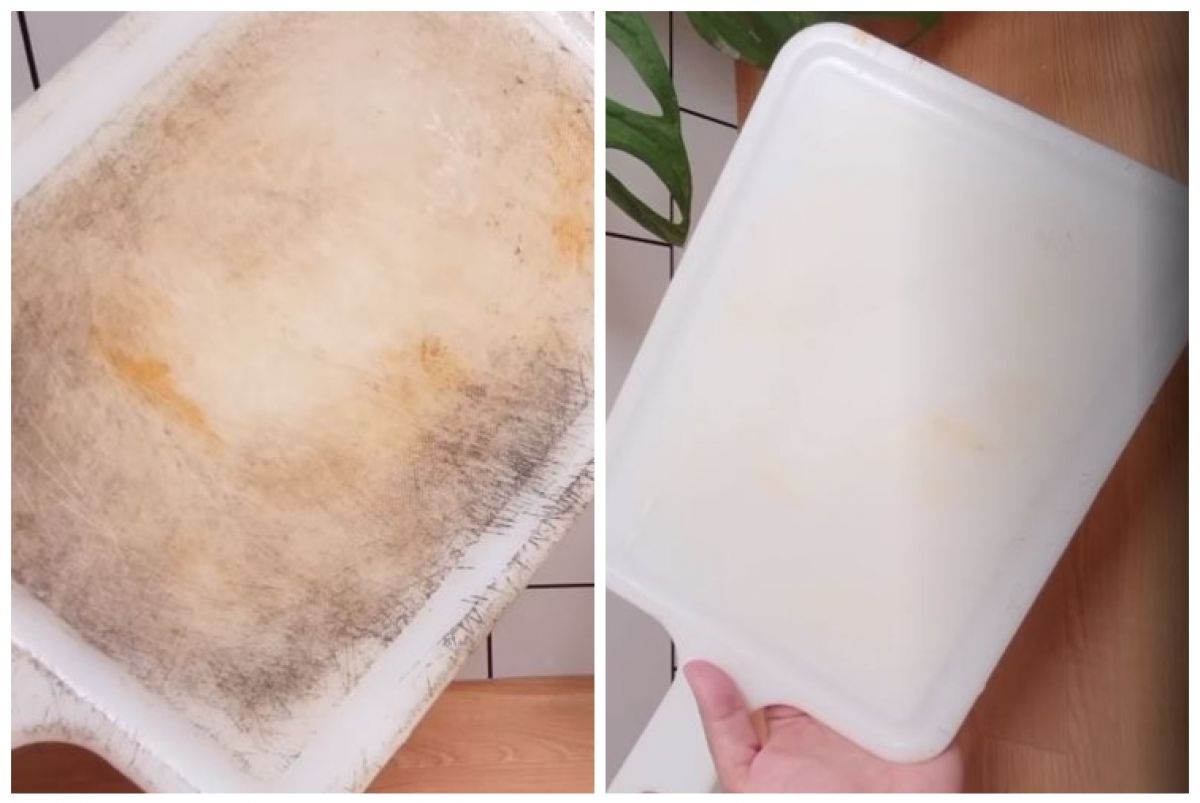
Check your cutting board for deep cuts or cracks. These can hold bacteria even after cleaning. Replace the board if it has many scratches.
Using a worn-out board can cause food contamination. Buy a new plastic board when the old one looks damaged or worn.
- Inspect your board often for deep cuts
- Replace if scratches or cracks appear
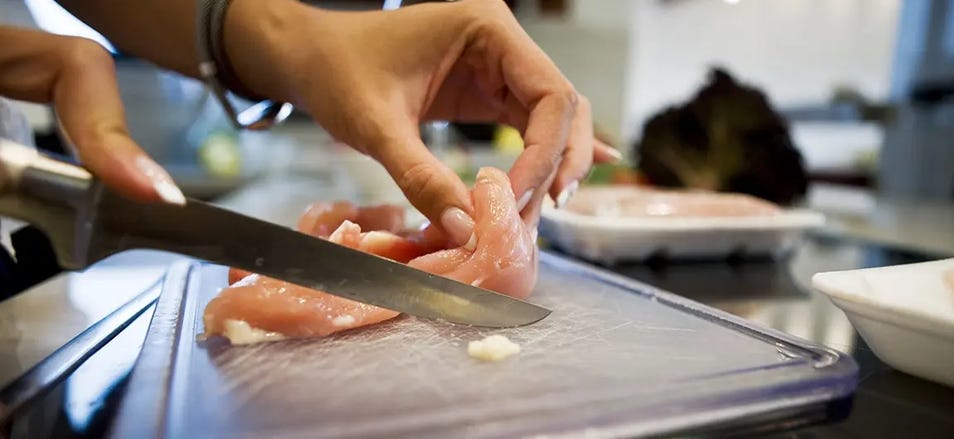
- Use separate boards for meat and vegetables
- Keep new boards clean from the start
Credit: www.lysol.com
Frequently Asked Questions
How Often Should I Disinfect My Plastic Cutting Board?
It’s best to disinfect your plastic cutting board after every use, especially when handling raw meat. This prevents cross-contamination and foodborne illnesses. Regular cleaning with hot, soapy water is essential. For added safety, disinfect with a bleach solution or white vinegar weekly.
Can I Use Vinegar To Disinfect A Cutting Board?
Yes, vinegar is a natural disinfectant. Apply undiluted white vinegar directly onto the plastic cutting board. Let it sit for a few minutes, then rinse with warm water. Vinegar helps eliminate bacteria and odors, making it a safe and eco-friendly option for regular cleaning.
Is Bleach Safe For Disinfecting Plastic Boards?
Yes, bleach is effective for disinfecting plastic cutting boards. Mix one tablespoon of bleach in one gallon of water. Apply it to the board and let it sit for a few minutes. Rinse thoroughly with water to remove any residue.
Ensure proper ventilation when using bleach.
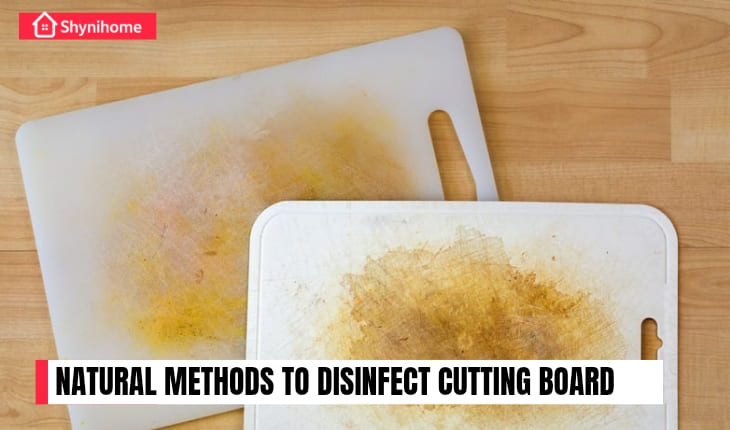
How Do I Remove Stains From A Plastic Board?
To remove stains, sprinkle baking soda on the board and scrub with a damp cloth. For tougher stains, make a paste with baking soda and water. Let it sit for a few minutes, then scrub and rinse. Baking soda helps lift stains and deodorizes the board.
Conclusion
Keeping your plastic cutting board clean protects your health. Use soap and hot water to wash it well. Then, apply a disinfectant like vinegar or bleach solution. Let it sit for a few minutes to kill germs. Rinse thoroughly before drying with a clean towel.
Regular cleaning stops bacteria from spreading. A clean cutting board means safer meals every time. Simple steps make a big difference in your kitchen hygiene. Stay safe and enjoy cooking with confidence.