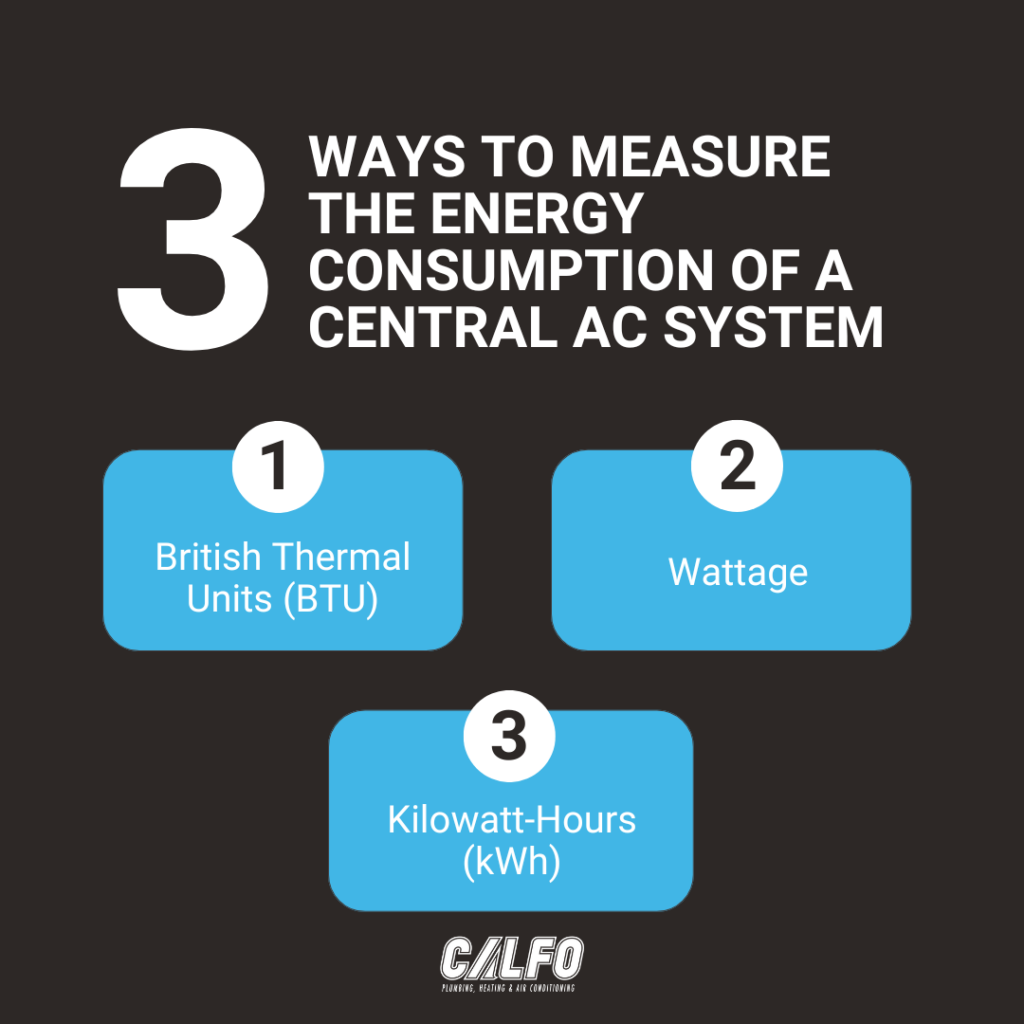
Are you curious about how many watts your air conditioner uses? Understanding this can help you save money on your electricity bill and choose the right unit for your home.
Knowing the power consumption of your AC means you can avoid surprises when the bill arrives. You’ll discover simple ways to find out the wattage of your air conditioner and learn why it matters for your comfort and budget. Keep reading to make smarter choices about cooling your space efficiently.
Air Conditioner Wattage Basics
Air conditioners use different amounts of wattagedepending on their size and type. The typical wattage rangefor most home units is between 500 wattsand 1500 watts. Small window units use less power, while larger central systems use more.
Several factors affect power use. The room size is important; bigger rooms need stronger air conditioners. The unit’s efficiency rating also matters. Newer models often use less energy. Settings like temperature and fan speed can change power use too.
Types Of Air Conditioners And Their Power
Window unitsusually use between 500 to 1,500 watts. They cool small rooms and are easy to install. These units fit in windows and vent heat outside.
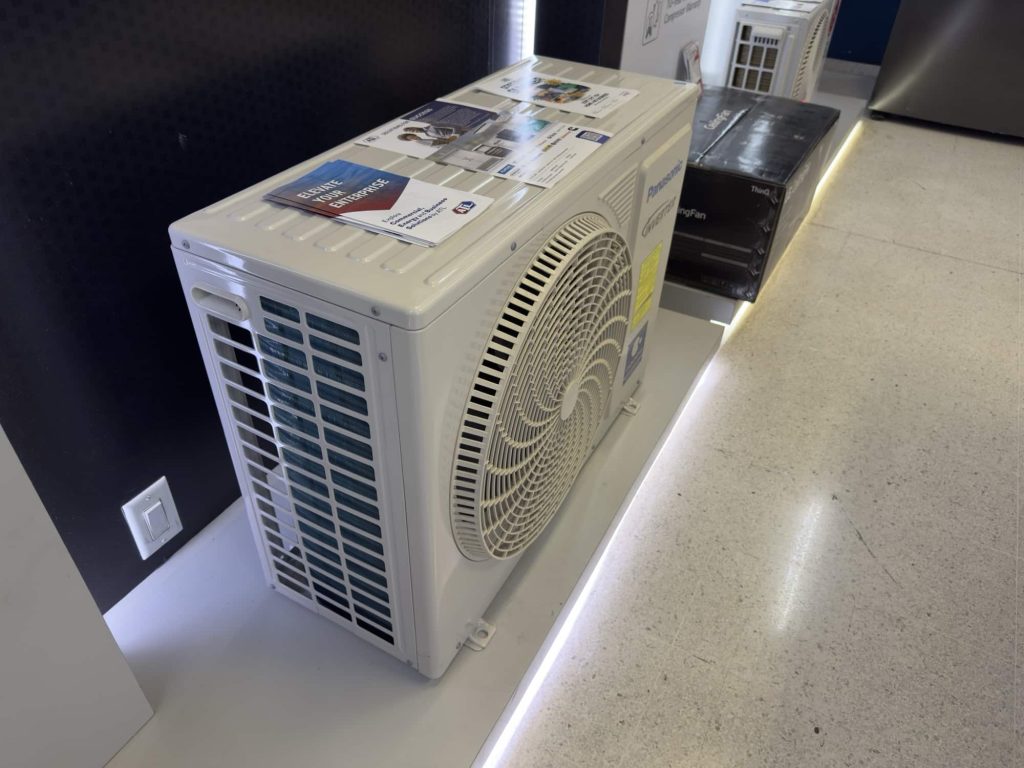
Split systemshave two parts: inside and outside. They use around 1,000 to 3,000 watts. They cool larger rooms quietly and work well all year.
Portable ACsare easy to move. They use about 800 to 1,500 watts. These units need a vent hose to push hot air outside.
Central air conditionerscool whole houses. They use much power, from 3,000 to 5,000 wattsor more. These systems have ducts that send cool air to each room.
Calculating Ac Power Consumption
BTU stands for British Thermal Unit. It shows how much heat an air conditioner can remove.
Watts measure the electrical power an AC uses. To find watts from BTU, divide BTU by 3.41.
Energy Efficiency Ratio (EER) shows how well the AC uses power. A higher EER means less power use for the same cooling.
Calculating power needs a simple formula:
| Formula | Description |
|---|---|
| Watts = BTU ÷ EER | Finds the AC’s power consumption using its cooling capacity and efficiency |
Example: A 12,000 BTU AC with an EER of 10 uses 1200 watts (12,000 ÷ 10).

Credit: hvac-temecula-murrieta.com
Energy Efficiency And Savings
The SEER ratingshows how well an air conditioner uses electricity. Higher SEER means better energy use and lower bills. It measures cooling output divided by power used over a season.
Most air conditioners have SEER ratings from 13 to 21. A 21 SEER AC saves much more power than a 13 SEER model. Choosing a unit with a good SEER rating helps save moneyand energy.
- Set your thermostat to 78°F or higher in summer.
- Use fans to help cool rooms faster.
- Close curtains during the hottest part of the day.
- Keep air filters clean to improve airflow.
- Seal windows and doors to stop cool air from escaping.
Impact Of Usage Patterns
The temperature settingon an air conditioner greatly impacts its power use. Lowering the temperature means the unit works harder, using more watts. Setting it just a few degrees higher can save a lot of energy.
The duration of operationalso affects watt consumption. Running the AC all day uses more power than turning it off when not needed. Shorter run times can keep electric bills lower.
- Cooler temperatures = higher watt use
- Longer running time = more energy consumed
- Moderate settings save power
- Turning off when not needed helps reduce watts

Credit: udpwr.com
Power Consumption Comparison
Air conditioners use different watts depending on size and type. Small units may use around 500 watts, while larger ones can reach 2000 watts or more. Understanding power use helps manage electricity bills better.
Ac Vs Fans
Air conditionersuse much more power than fans. A typical fan runs on about 50 to 100 watts. An air conditioner can use 500 to 1500 watts, depending on size. Fans only move air around, so they need less energy. Air conditioners cool the air, which takes more power. Fans are cheaper to run but less effective in very hot weather.
Ac Vs Heaters
Heaters usually use between 1000 to 2000 watts. This is similar or sometimes more than an air conditioner. Heaters change electric energy into heat directly. Air conditioners use energy to move heat from inside to outside. Both can raise your electric bill. Choosing depends on your climate and needs.
Estimating Electricity Costs
To estimate electricity costsfor an air conditioner, you need to know its power in watts. Most AC units use between 500 to 2000 watts. The higher the wattage, the more electricity it consumes.
Monthly bills depend on how long the AC runs each day. Multiply the wattage by hours used daily, then by days in the month. This gives the total watt-hours used.
Smart meters help by showing exact electricity use. They track power consumption in real time. This makes it easier to see how much energy your AC uses.
- Find the AC’s wattage on the label
- Note daily usage hours
- Multiply wattage × hours × days
- Convert watt-hours to kilowatt-hours (divide by 1000)
- Multiply by your electricity rate (cost per kWh)
Upgrading For Efficiency
Energy Star certified air conditionersuse less power than regular models. They save electricity and lower bills. These models meet strict rules for energy use. Choosing one helps the environment by reducing power waste.
Smart thermostatswork with air conditioners to keep rooms cool efficiently. They learn your schedule and adjust temperature automatically. This avoids cooling empty rooms and saves energy. Many smart thermostats can be controlled from phones.
Credit: www.kompulsa.com
Frequently Asked Questions
How Many Watts Does A Typical Ac Use?
A typical air conditioner uses between 500 to 3,500 watts. The exact wattage depends on the AC’s size and model. Smaller window units use less, while larger central systems consume more. Always check the unit’s label for precise wattage information.
Does Air Conditioner Wattage Affect Energy Bills?
Yes, higher wattage air conditioners increase energy bills. More watts mean more electricity consumption. Choosing an energy-efficient model can reduce costs. Regular maintenance also helps improve efficiency and save money.
How Do I Calculate Ac Wattage?
To calculate AC wattage, multiply volts by amps. For example, a unit with 220 volts and 5 amps uses 1,100 watts. Check the AC’s label for voltage and amperage ratings.
Are Portable Acs Less Wattage Than Central Acs?
Yes, portable ACs generally consume less wattage than central systems. They are designed for smaller spaces. Central ACs cool entire homes, requiring more power. However, portable units may still vary in wattage based on capacity.
Conclusion
Knowing how many watts an air conditioner uses helps you save energy. Different models use different amounts of power. Smaller units need fewer watts, while bigger ones use more. Checking the wattage helps you pick the right size for your space.
It also keeps your electricity bill in control. Always compare watts before buying an air conditioner. This way, you stay cool without wasting power. Simple steps lead to smart choices. Save energy, save money, and stay comfortable all summer long.