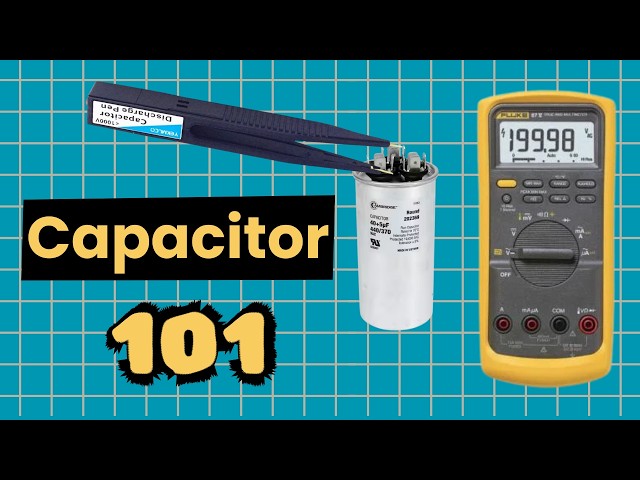
Is your air conditioner acting up, leaving you sweating through the hottest days? One common culprit could be a faulty capacitor.
But how do you know if the capacitor is really the problem? You don’t have to call a technician right away or spend a fortune. With just a simple multimeter and a little guidance, you can test your air conditioner’s capacitor yourself.
This quick check could save you time, money, and frustration. Keep reading, and you’ll learn exactly how to do it safely and easily—step by step. Your cool comfort might be just a few tests away!

Credit: www.youtube.com
Tools Needed
Choosing the right multimeter is key for testing an air conditioner capacitor. Look for a multimeter that can measure capacitance. Many standard multimeters can measure voltage and resistance but not capacitance. A digital multimeter with a capacitance setting helps get accurate readings. Check the multimeter’s range to ensure it covers the capacitor’s rating.
Safety equipment is important to protect yourself. Always wear insulated glovesand safety glasses. Capacitors can hold a charge even when the power is off. Use tools with insulated handles to avoid electric shock. Make sure the air conditioner is unplugged before starting any test.
Preparing The Air Conditioner
Always turn off the powerto the air conditioner before starting any work. Unplug the unitfrom the electrical outlet to ensure no electricity flows to the capacitor. This step is crucial for safetyand prevents electric shock.
Locate the capacitor inside the air conditioner’s access panel. You may need a screwdriver to remove the panel screws. The capacitor is a small, round, or oval metal canister with wires attached to it. Handle it carefully as it stores electrical charge.
- Wear glovesto protect your hands.
- Discharge the capacitorby touching the terminals with a screwdriver covered in rubber.
- Check the label on the capacitor for its specifications before testing.
Discharging The Capacitor
Discharging the capacitoris very important before testing it. Capacitors store electric charge. This charge can give you a strong shock. It can also damage your multimeter. Discharging makes the capacitor safe to handle.
Safe discharge methods include:
- Use a resistor to slowly release the charge.
- Hold the resistor leads across capacitor terminals.
- Keep it connected for a few seconds to fully discharge.
- Never use a screwdriver to short the terminals.
- Wear insulated gloves for extra safety.
Testing Capacitor With A Multimeter
Testing an air conditioner capacitor with a multimeter checks if it stores and releases electrical energy properly. Disconnect power, set the multimeter to capacitance mode, and measure the capacitor’s value. Compare it to the rated value to see if replacement is needed.
Setting The Multimeter
Turn the multimeter to the capacitance setting. If no such setting, use the ohms mode. Make sure the device is off before testing the capacitor. Remove the capacitor from the air conditioner for accurate results. Discharge the capacitor by touching the terminals with a screwdriver. This stops electric shock and false readings.
Measuring Capacitance
Connect the multimeter leads to the capacitor terminals. Polarity does not matter for non-polarized capacitors. The display shows the capacitance value in microfarads (µF). Wait a few seconds for a stable reading. Compare this number with the capacitor’s rated capacitance.
Interpreting The Readings
A good capacitor shows a reading close to its rated value. A reading much lower or zero means the capacitor is bad. If the reading is very high or infinite, the capacitor may be shorted or open. Use the multimeter readings to decide if replacement is needed. Always double-check with another test if unsure.
Troubleshooting Common Issues
Signs of a faulty capacitoroften include a humming noisefrom the AC unit or the fan not starting. The air conditioner may also fail to coolproperly or take longerto start. Sometimes, the capacitor looks bulged or leaking. These are clear indicators that the capacitor might be bad and needs testing.
When to replace the capacitordepends on these signs and test results. If the multimeter shows no or low capacitance, replacement is necessary. Also, replace it if the unit turns off unexpectedlyor the capacitor shows physical damage. Using a faulty capacitor can damage other parts of the AC system.

Credit: www.achrnews.com
Tips For Maintenance
Regular checks help keep the air conditioner running well. Look for signs of damage or wear on the capacitor. Dirt and dust can cause problems. Clean the area gently to avoid damage. Tighten any loose connections. This prevents sudden failures and keeps the unit safe.
Taking simple steps can stop bigger problems later. Turn off power before working on the unit. Use a multimeter to test the capacitor’s strength. Replace old or weak parts promptly. Keep the outdoor unit free from leaves and debris. These habits help the air conditioner last longer and work better.

Credit: www.youtube.com
Frequently Asked Questions
How Do I Identify A Faulty Capacitor?
To identify a faulty capacitor, use a multimeter set to capacitance mode. Disconnect the capacitor from the circuit, and measure its capacitance. If the reading is significantly lower than the rated value, the capacitor is likely faulty and needs replacement.
A bulging or leaking capacitor also indicates failure.
What Tools Are Needed To Test A Capacitor?
To test a capacitor, you’ll need a digital multimeter with a capacitance setting. Additionally, have insulated gloves and safety goggles for protection. Ensure the air conditioner is turned off and unplugged before testing. These tools help ensure accurate readings and safety during the testing process.
Why Is My Air Conditioner Not Cooling?
A common reason an air conditioner stops cooling is a faulty capacitor. The capacitor helps start the compressor and fan motors. If it fails, these components won’t run efficiently, causing cooling issues. Regular testing and maintenance of the capacitor can prevent such problems and ensure optimal performance.
How Often Should I Check The Capacitor?
It’s advisable to check your air conditioner’s capacitor annually. Regular checks ensure the capacitor functions properly, preventing unexpected breakdowns. Early detection of issues can save on costly repairs and prolong the lifespan of your air conditioning unit. Regular maintenance helps maintain the unit’s efficiency and performance.
Conclusion
Testing your air conditioner capacitor with a multimeter is simple. Just follow the steps carefully and stay safe. A working capacitor helps your AC run smoothly and cool your home. Regular checks can catch problems early and save money on repairs.
Keep your multimeter handy for quick testing anytime. This small task can improve your AC’s performance and lifespan. Try it yourself and feel confident maintaining your air conditioner.