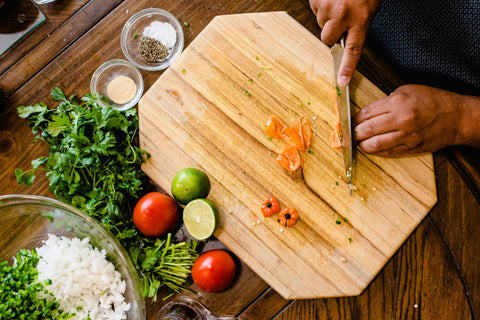
Are you wondering if tung oil is safe to use on your cutting boards? When it comes to keeping your kitchen tools both beautiful and safe, choosing the right finish matters a lot.
You want something that protects your wood without risking your health or the food you prepare. This article will clear up the confusion and help you decide if tung oil is the best choice for your cutting boards. Keep reading to discover the truth and learn how to keep your boards looking great and food-safe.

Credit: www.amazon.in
What Is Tung Oil
Tung oil is a natural oil made from tung tree seeds. It is used to protect and finish wood surfaces.
This oil soaks into wood and hardens when it dries. It creates a water-resistant and durable finish.
Origin And Extraction
Tung oil comes from the seeds of the tung tree, which grows mostly in China. The seeds are pressed to get the oil.
The oil is raw and unrefined or sometimes processed for better quality and longer shelf life.
Appearance And Properties
Tung oil has a light yellow color that darkens as it dries. It has a mild, nutty smell.
The oil dries by reacting with oxygen in the air. This forms a strong, flexible layer on the wood.
Uses Of Tung Oil
People use tung oil for wood furniture, floors, and cutting boards. It protects wood from water and damage.
- Wood finishing for a natural look
- Protects against moisture and stains
- Safe for items that touch food when pure
Why Food Safety Matters
Food safety is very important for health. Cutting boards can carry germs if not safe.
Using safe finishes on cutting boards helps keep food clean and free from harm.
What Makes A Finish Food Safe?
A food-safe finish must not leak harmful chemicals into food. It should protect wood without danger.
- Must be non-toxic
- Should not change taste or smell of food
- Needs to protect against moisture and bacteria
- Should be easy to clean
Tung Oil And Food Safety
Tung oil is a natural oil from tung tree seeds. It dries hard and forms a water-resistant layer.
Pure, 100% tung oil is generally safe for food contact after full curing. It seals wood well.
How To Know If Tung Oil Is Food Safe
| Type of Tung Oil | Food Safe After Curing | Notes |
| Pure Tung Oil | Yes | Natural and non-toxic |
| Tung Oil Blends | No | May contain solvents or additives |
| Raw Tung Oil | No | Needs proper processing |
Caring For Tung Oil Finished Boards
Keep your cutting board safe by following these tips:
- Allow tung oil to cure fully before use, at least 30 days.
- Clean the board with warm water and mild soap.
- Do not soak the board in water.
- Reapply tung oil as needed to maintain the finish.
Tung Oil And Food Contact
Tung oil is often used to finish wooden cutting boards. People want to know if it is safe for food use. This article explains its safety and how it reacts with food.
Understanding the natural makeup and possible risks of tung oil helps you make a good choice for your kitchen tools.
Natural Composition
Tung oil comes from the seeds of the tung tree. It is a plant-based oil that hardens when it dries. This creates a water-resistant finish on wood.
The oil contains fatty acids that polymerize to form a tough surface. This layer protects the wood and makes it less likely to absorb water or food juices.
Toxicity Concerns
Raw tung oil can be toxic if ingested. It may cause stomach upset or allergic reactions. But fully cured tung oil is safe for food contact.
It is important to use pure, 100% tung oil without additives. Also, the oil must dry completely before using the cutting board. This removes harmful chemicals.
- Only use pure tung oil for food-contact surfaces
- Allow full curing time before food use
- Avoid oils with additives or solvents
- Discard any oil that smells strong or rancid
Types Of Tung Oil
Tung oil is a natural oil used to finish wood surfaces. It is popular for cutting boards because it protects and adds shine.
There are different types of tung oil. Each type has unique features and uses.
Raw Tung Oil
Raw tung oil is pure and unprocessed. It comes directly from the tung nut without any changes.
This oil takes longer to dry but soaks deep into the wood. It creates a natural, water-resistant finish.
- Dries slowly, often in days
- Penetrates wood deeply
- Safe for food contact after curing
- Needs several coats for good protection
Polymerized Tung Oil
Polymerized tung oil is heated to speed up drying. This process changes its texture and makes it thicker.
This oil dries faster and forms a harder surface. It is more durable but sometimes less natural feeling than raw oil.
- Dries in hours or a day
- Forms a tough, hard finish
- Still safe for food when fully cured
- Good for fast projects
Application On Cutting Boards
Tung oil is a natural finish used on wood, including cutting boards. It protects the wood and gives a smooth surface. People ask if tung oil is safe for food contact items like cutting boards.
Pure tung oil is food safe once fully cured. It seals the wood and resists water. Applying tung oil correctly is important for safety and durability.
Preparation Steps
Start by cleaning the cutting board well. Use mild soap and warm water. Let the board dry completely before oiling.
Lightly sand the surface with fine-grit sandpaper. This helps the oil soak in better. Remove all dust with a clean cloth.
- Wash board with soap and warm water
- Dry board fully before applying oil
- Sand surface lightly with fine sandpaper
- Wipe off all sanding dust
Drying And Curing Times
Apply tung oil in thin coats using a clean cloth or brush. Let each coat dry before adding the next. This ensures proper curing and safety.
Drying time varies by temperature and humidity. Usually, each coat takes 24 hours to dry. Full curing can take up to 30 days. Avoid using the board during this time.
- Apply thin coats of tung oil
- Wait 24 hours between coats
- Allow up to 30 days for full curing
- Do not use board until cured

Credit: www.reddit.com
Comparing Tung Oil To Other Finishes
Tung oil is a popular finish for cutting boards. It soaks into the wood and hardens to protect it.
Many people wonder if tung oil is food safe. It is often compared to other finishes like mineral oil, beeswax, and linseed oil.
Mineral Oil
Mineral oil is a common choice for cutting boards. It is food safe and easy to apply.
It does not harden but soaks into the wood and keeps it from drying out. Mineral oil needs to be reapplied often.
Beeswax
Beeswax is often mixed with oils to make a thicker finish. It creates a protective layer on the wood surface.
Beeswax is natural and safe for food contact. It helps keep water out and adds shine to cutting boards.
- Protects wood from moisture
- Non-toxic and food safe
- Needs regular reapplication
Linseed Oil
Linseed oil is another natural oil used on wood. Raw linseed oil is food safe but dries very slowly.
Treated or boiled linseed oil is not safe for cutting boards. It can contain harmful chemicals.
- Raw linseed oil is food safe
- Dries slower than tung oil
- Boiled linseed oil is not safe
Maintenance Tips For Tung Oil Boards
Tung oil is popular for finishing cutting boards. It protects wood and is safe for food contact. Proper maintenance keeps the board in good shape and extends its life.
Regular care helps keep the wood strong and looking fresh. Learn when to reapply tung oil and how to clean your board correctly.
Reapplication Frequency
Applying tung oil often keeps the board sealed and prevents cracking. The frequency depends on use and washing habits. Watch for dryness or dullness on the surface.
- For new boards, apply tung oil 3 times before use.
- Reapply every 1 to 3 months for regular use.
- If the board looks dry or water soaks in quickly, apply oil again.
- Light sanding before reapplication helps oil soak better.
Cleaning Guidelines
Cleaning your tung oil cutting board properly avoids damage. Avoid harsh soaps or soaking the board in water for long periods. Use mild methods to protect the oil finish.
| Cleaning Method | Details |
|---|---|
| Hand Wash | Use warm water and a mild dish soap. Rinse quickly and dry immediately. |
| Avoid Soaking | Do not leave the board in water. It can warp or crack the wood. |
| Disinfecting | Use a vinegar solution or lemon juice for safe cleaning. |
| Drying | Stand board upright or on its side to air dry fully. |

Credit: www.amazon.com.au
Potential Risks And Precautions
Tung oil is popular for finishing cutting boards. It gives a natural look and water resistance. But is it safe for food contact?
This article reviews the risks and how to use tung oil safely on cutting boards.
Chemical Composition And Food Safety
Tung oil comes from the tung tree seeds. It is a natural oil and dries by exposure to air. Pure tung oil is non-toxic once cured.
Uncured tung oil may contain chemicals that irritate skin or cause allergies. It is important to allow full drying before use.
Potential Risks Of Using Tung Oil
Some risks include allergic reactions, incomplete curing, and contamination. These can affect food safety and user health.
- Allergic skin reactions from wet oil
- Off-gassing of solvents if oil is not fully cured
- Risk of mold if oil traps moisture inside wood
- Possible ingestion of uncured oil residues
Precautions For Safe Use On Cutting Boards
Follow these steps to reduce risks and keep your cutting board safe.
- Use 100% pure tung oil without additives
- Apply thin coats to prevent sticky surfaces
- Allow oil to cure fully for at least 7 days
- Keep the board in a dry, ventilated place during curing
- Wash the board gently with mild soap and water after curing
- Reapply oil periodically to maintain protection
Comparison Of Tung Oil And Other Oils
| Oil Type | Food Safe When Cured | Drying Time | Water Resistance |
| Tung Oil | Yes | 5-7 days | High |
| Linseed Oil (Raw) | No | Long | Low |
| Mineral Oil | Yes | None (absorbs) | Low |
| Beeswax (Mixed) | Yes | None | Medium |
User Experiences And Reviews
Tung oil is a popular finish for wooden cutting boards. Many users want to know if it is food safe. This section shares real experiences and reviews from people who used tung oil on their cutting boards.
These stories help understand how tung oil performs in everyday use. They also show if it keeps boards safe for food contact.
Smooth Finish And Water Resistance
Many users say tung oil gives their cutting boards a smooth, shiny finish. They like how it repels water and stops stains from soaking in.
Some reviews mention the board feels less rough after oiling. This makes it easier to clean and safer to use with food.
- Boards look polished and natural
- Water beads up on the surface
- Easy to wipe clean after use
Concerns About Food Safety
A few users worry about tung oil safety on cutting boards. They want to be sure it does not harm food or health.
Most reviews clarify that pure tung oil is natural and safe once fully cured. They say it does not smell or taste bad on food.
- Pure tung oil is non-toxic when dry
- Cured oil creates a hard, safe layer
- Some oils mixed with chemicals are unsafe
Application And Drying Time Experiences
Users note that tung oil takes time to dry well. Many say they apply several thin coats to get good protection.
They also mention the smell fades after drying. Most find it easy to apply with a cloth or brush.
- Multiple coats improve durability
- Drying can take 24 to 48 hours
- Application is simple and smooth
Long-term Use And Maintenance
Several users share that tung oil holds up well over time. They say reapplying oil keeps boards looking fresh and safe.
Some mention regular oiling helps avoid cracks and dryness. This keeps the cutting board in good condition for years.
- Regular oiling prevents wood damage
- Boards stay smooth and food safe
- Users recommend reapplying every few months
Frequently Asked Questions
Is Pure Tung Oil Food Safe?
Yes, pure tung oil is food safe once fully cured. It’s a natural oil derived from tung tree nuts. After curing, it creates a non-toxic, protective finish. This makes it ideal for cutting boards. Ensure the tung oil used is 100% pure and not mixed with harmful additives.
How Long Does Tung Oil Take To Cure?
Tung oil typically takes 7 to 30 days to fully cure. The curing time depends on the environment and application thickness. Proper ventilation and warm temperatures can speed up the process. It’s important to allow complete curing before using the cutting board for food preparation.
Can Tung Oil Be Used On All Wood Types?
Yes, tung oil is versatile and can be applied to most wood types. It’s especially effective on dense woods like maple and walnut. Tung oil penetrates deeply, enhancing the wood’s natural grain. Always test on a small area to ensure compatibility and desired finish.
How Often Should I Reapply Tung Oil?
Reapply tung oil every 6 to 12 months for optimal protection. The frequency depends on the cutting board’s use and wear. Regular maintenance keeps the board looking fresh and extends its lifespan. Clean the board thoroughly before reapplying to ensure proper adhesion.
Conclusion
Tung oil is a safe choice for cutting boards. It soaks into the wood and protects it from water and stains. This oil is natural and does not contain harmful chemicals. It keeps your cutting board looking fresh and lasting longer.
Regular oiling with tung oil helps prevent cracks and warping. Remember to apply it properly and let it dry well. Your cutting board stays clean and safe for food use. Choose tung oil for a simple, effective way to care for wood.