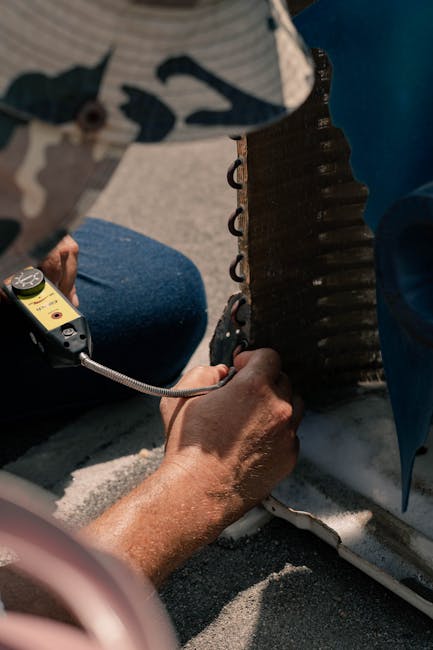
Is your air conditioner not cooling like it used to? You might be wondering if the Freon level is the problem.
Knowing how to check the Freon level in your air conditioner can save you time and money. It helps you spot issues early before they turn into costly repairs. In this guide, you’ll learn simple steps to check your Freon level yourself, even if you’re not a pro.
Keep reading to take control of your AC’s performance and stay cool all summer long.

Credit: morelliair.com
Signs Of Low Freon
Poor cooling performanceoften shows low Freon. The air conditioner blows warm or less cool air. It takes longer to cool a room. Energy bills may rise because the system works harder.
Ice formation on coilsis a clear sign. Frost or ice appears on the evaporator coils. This happens when Freon is too low to keep the coils cold. Ice blocks airflow and reduces cooling.
Hissing soundsnear the AC unit indicate a leak. Freon gas escapes with a quiet or sharp hissing noise. This means the system loses cooling power and needs repair.
Tools Needed For Checking
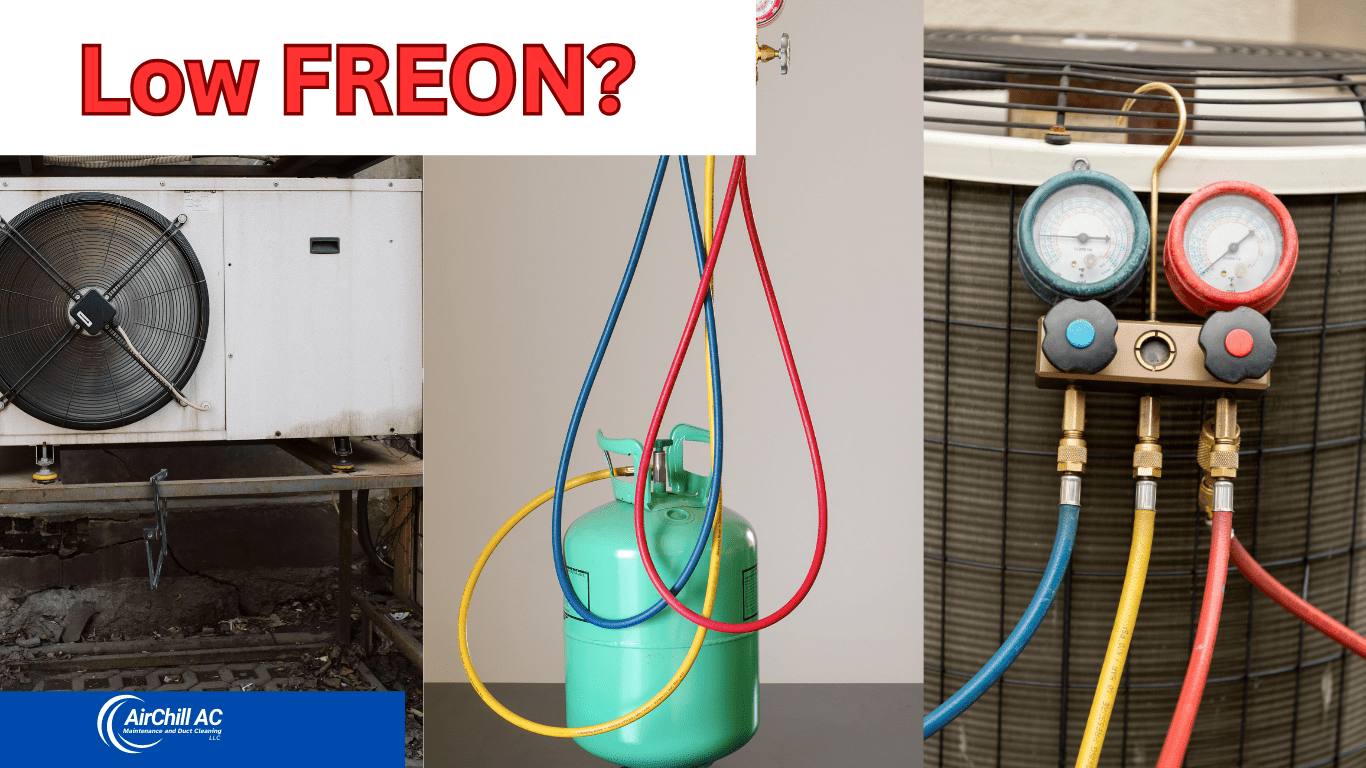
Pressure gaugehelps measure the Freon pressure in the AC system. It shows if the refrigerant level is low or high. Use a gauge that fits your AC model.
A thermometerchecks the air temperature before and after the AC coil. This helps to see if the cooling is normal. It shows how well the Freon is working inside.
- Protective gearkeeps you safe during the check.
- Wear gloves to protect your hands from cold or chemicals.
- Safety glasses stop debris or liquid from harming your eyes.
- Long sleeves help avoid skin contact with refrigerant.
Locating The Service Valve
The service valveis a small valve on the air conditioner. It controls the flow of Freonor refrigerant inside the system. You can usually find it near the outdoor unit.
Look for a metal pipe coming out from the unit. The valve will be attached to this pipe. It often has a small cap or cover.
To check the Freon level, you need to connect a gauge to this valve. The valve lets you measure pressure without opening the system.
- Locate the outdoor AC unit
- Find the metal pipe with a valve attached
- Look for a cap covering the valve
- Remove the cap carefully
- Attach your pressure gauge to the valve
Credit: airchillac.com
Reading The Pressure Gauge
Attach the pressure gauge to the low-pressure port of the air conditioner. The port is usually blue and easy to find on the outdoor unit. Make sure the connection is tight and secure to avoid leaks. Keep the air conditioner running while checking the gauge.
The gauge shows pressure in pounds per square inch (PSI). Normal Freon pressure varies by temperature and model. Low pressure means the system may need more Freon. High pressure could signal a blockage or too much Freon. Consult your air conditioner’s manual for exact pressure ranges.
Using Temperature Difference Method
Measure the air temperature where the air enters the air conditioner. This is the inlet temperature. Then, measure the air temperature where the air comes out. This is the outlet temperature. Use a thermometer for both measurements. Make sure the thermometer is accurate and placed properly. Wait a few minutes to get stable readings.
Next, calculate the temperature difference by subtracting the outlet temperature from the inlet temperature.
| Step | Action |
|---|---|
| 1 | Measure inlet air temperature (air coming in) |
| 2 | Measure outlet air temperature (air coming out) |
| 3 | Calculate temperature drop = inlet temp – outlet temp |
A healthy air conditioner usually has a temperature drop between 15°F and 25°F (8°C to 14°C). A lower drop may mean low freon levels or other issues. This simple test helps check if your air conditioner is cooling well.
Safety Precautions
Refrigerantslike Freon need careful handling to avoid harm. Always use protective gloves and goggles. Avoid breathing in fumes. Work in a well-ventilated areato keep fresh air flowing. Never release refrigerants into the air; it harms the environment.
Electricity and water can cause shocks or fires. Before checking Freon levels, turn off the powerto the air conditioner. Use tools with insulated handles. Keep your hands dry and avoid touching wires or terminals with bare hands.
- Wear safety gear to protect skin and eyes.
- Work outside or in a ventilated space.
- Switch off power before any service.
- Use insulated tools to avoid shocks.
- Never release Freon into the environment.
When To Call A Professional
Call a professionalif the air conditioner is not cooling well. Strange noises or smells also need expert help. Low Freon levels might cause the unit to run longer than usual. Watch for ice buildup on the coils. Frequent cycling on and off is a sign of trouble. Professionals have special tools to measure Freon levels safely. They can fix leaks and recharge the system properly. Handling Freon without training is dangerous and illegal in many places. Don’t try to add Freon yourself. Let a certified technician check and repair your AC. This keeps your system safe and working well.

Credit: www.youtube.com
Frequently Asked Questions
How Do I Know If My Ac Is Low On Freon?
If your AC is blowing warm air, it may be low on Freon. Increased energy bills and hissing noises can also indicate low Freon levels. Check for ice buildup on the refrigerant lines. Regular maintenance can prevent these issues and ensure efficient cooling performance.
Can I Check Freon Levels Myself?
Yes, you can check Freon levels yourself using a gauge. Attach the gauge to the low-pressure service port. Ensure the reading matches the manufacturer’s recommended levels. Always follow safety precautions. If uncertain, consult a professional HVAC technician to avoid potential damage and ensure accurate readings.
What Tools Do I Need To Check Freon?
To check Freon levels, you’ll need a refrigerant gauge set. Ensure it’s compatible with your AC unit. A thermometer may also be helpful to measure air temperatures. Always wear safety gloves and goggles. Following these steps ensures a safe and accurate Freon level check.
How Often Should I Check Freon Levels?
Check your Freon levels annually during routine AC maintenance. Regular checks ensure optimal cooling performance. Leaks or low levels can cause inefficiency and higher energy bills. Annual inspections by professionals can prevent major issues, ensuring your air conditioner operates smoothly throughout the year.
Conclusion
Checking your air conditioner’s Freon level helps it run better and last longer. Low Freon can cause poor cooling and higher bills. Use simple tools like gauges or look for signs like ice on pipes. Regular checks keep your home cool and save money.
Stay aware of your AC’s condition. Small actions prevent big problems. Take care of your AC today for a comfortable tomorrow.