Have you ever wondered if your air conditioner does more than just cool the air? You might be surprised to learn that it also helps control humidity in your home.
Understanding how air conditioners dehumidify can make a big difference in your comfort and health. You’ll discover exactly how your AC works to reduce moisture and why that matters for your living space. Keep reading to find out how to make the most of your air conditioner and enjoy a cooler, drier home all year round.
How Air Conditioners Remove Moisture
An air conditioner’s main job is to cool the air. It does this by moving warm air over cold metal parts called evaporator coils. These coils are very cold because they have a special liquid inside that absorbs heat.
When warm air touches the cold evaporator coils, the moisture in the air turns into water drops. This is called condensation. The water drops then drip into a container or drain outside the house.
This process removes moisturefrom the air, making the room feel less humid. So, air conditioners not only cool the air but also help dehumidifyit by taking out extra water vapor.
Air Conditioners Vs Dehumidifiers
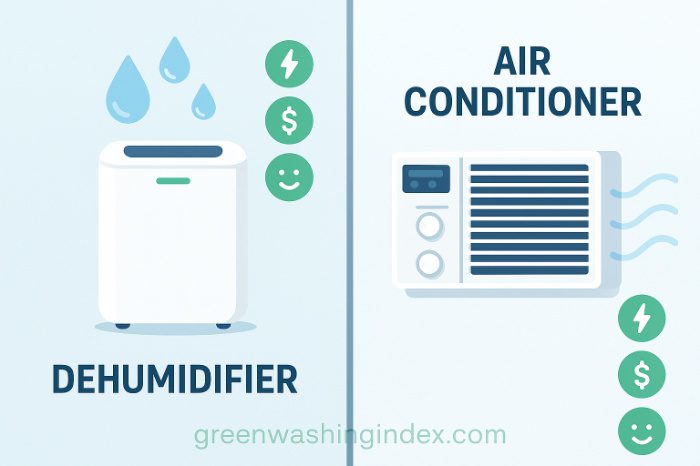
An air conditioner cools the air by removing heat and some moisture. It lowers humidity but is not designed mainly for that. A dehumidifier’s main job is to pull moisture from the air. It helps reduce dampness better than an AC.
The efficiency of moisture removal differs between the two. Dehumidifiers extract more water from the air per hour. Air conditioners remove moisture as a side effect while cooling.
| Feature | Air Conditioner | Dehumidifier |
|---|---|---|
| Primary Function | Cooling air | Removing moisture |
| Moisture Removal | Moderate, during cooling | High, designed for this |
| Best Use | Lowering temperature | Reducing humidity |
Factors Affecting Dehumidification
The temperature settingson an air conditioner change how well it removes moisture. Lower temperatures cool the air more, causing more water to condense and drain away. Setting the temperature too high may reduce dehumidification. Finding the right balance is key.
Humidity levelsalso affect how the AC works. High humidity means more moisture in the air. The AC can pull out more water, but it might work harder. Low humidity means less moisture, so the AC removes less water. Understanding these factors helps in managing indoor comfort better.
Credit: www.greenwashingindex.com
When Acs Struggle To Dehumidify
Air conditioners remove moisture as they cool the air. Oversizedunits cool rooms too fast and stop before removing enough humidity. Undersizedunits run constantly but still cannot lower humidity well.
Poor maintenance also affects dehumidifying. Dirty filters and coils block airflow. This makes the AC less efficient and less able to remove moisture. Regular cleaning and servicing keep the unit working properly.
Improving Dehumidification With Ac
Adjusting fan speedscan help your air conditioner remove more moisture from the air. Lower fan speeds keep the air inside the unit longer. This lets the AC cool the air more and pull out more water. Higher fan speeds move air faster but reduce dehumidification.
Use the lowest fan speedthat still keeps your room cool. This helps the AC trap more humidity and make your space feel less damp.
| Fan Speed | Effect on Dehumidification | Comfort Level |
|---|---|---|
| Low | More moisture removed | Cool, less damp |
| Medium | Moderate moisture removal | Cool |
| High | Less moisture removed | Cool but more humid |
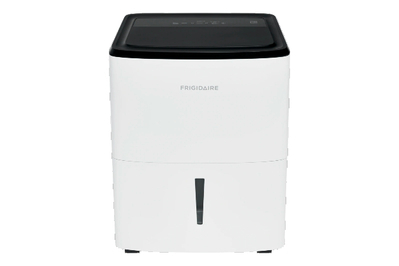
For very humid rooms, using extra dehumidifiersworks well. These devices remove moisture directly. They help the AC and keep your home dry. This is great for basements or places with poor airflow.

Credit: www.nytimes.com
Health And Comfort Benefits
Air conditionershelp remove moisture from the air. This reduces mold growthand keeps allergens low. Mold needs moisture to grow. Less moisture means fewer molds and allergens in your home.
This improves indoor air quality. Cleaner air helps people breathe easier. It also lowers the chance of allergies and asthma problems. A dry, cool room feels more comfortable and fresh.
- Reduces mold and mildew growth
- Limits dust mites and allergens
- Improves breathing and comfort
- Keeps indoor air fresh and clean
Credit: www.nytimes.com
Frequently Asked Questions
Do Air Conditioners Reduce Humidity Levels?
Yes, air conditioners can reduce humidity. They cool the air and remove moisture. This dehumidification happens as warm air passes over the cold evaporator coils. Lower humidity levels can improve comfort and indoor air quality. However, for high humidity areas, a dedicated dehumidifier may be more effective.
How Do Air Conditioners Dehumidify The Air?
Air conditioners dehumidify by cooling warm air. The evaporator coils condense moisture from the air. This process reduces humidity levels indoors. The condensed water is then drained away. This not only cools the air but also makes it feel less sticky and more comfortable.
Can Ac Units Replace A Dehumidifier?
While air conditioners can dehumidify, they aren’t as effective as dehumidifiers. AC units primarily cool air. Dehumidifiers specifically target moisture removal. In very humid climates, a dehumidifier might be necessary. It ensures better moisture control and indoor comfort, complementing the air conditioner’s cooling function.
Are Air Conditioners Efficient At Dehumidifying?
Air conditioners can dehumidify, but efficiency varies. They primarily focus on cooling. Their dehumidification is a secondary effect. For moderate humidity, they’re adequate. However, in extremely humid environments, they might struggle. For optimal humidity control, consider using both an air conditioner and a dehumidifier.
Conclusion
Air conditioners do remove some moisture from the air. They cool the room and lower humidity at the same time. This helps make the space more comfortable. But, they are not made to fully dry the air. For high humidity, a dehumidifier works better.
Still, using an air conditioner can reduce dampness. Keep your AC clean for best results. Understanding this helps you choose the right tool for your home. Comfort and air quality go hand in hand. Simple steps can improve both easily.