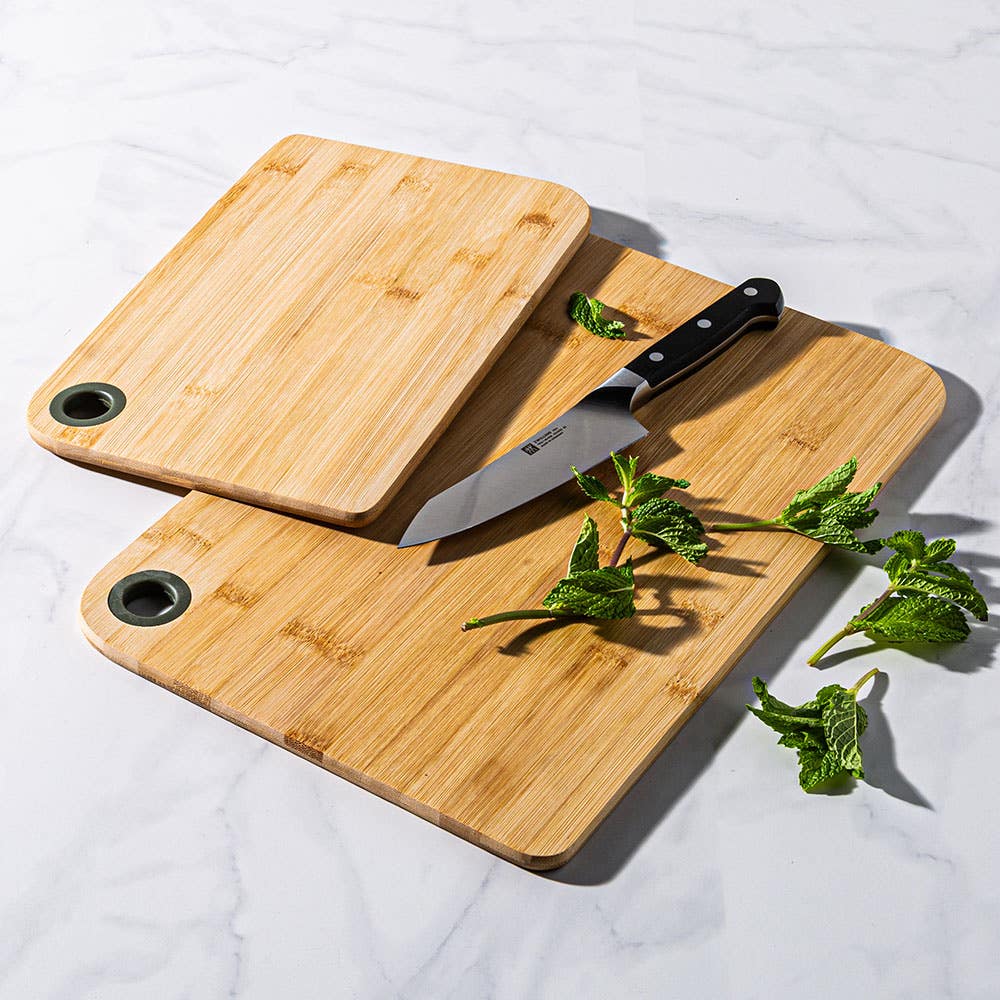
Are you thinking about upgrading your kitchen tools? Choosing the right cutting board can make a big difference in your cooking experience.
You might have heard about bamboo cutting boards, but is bamboo really a good cutting board material? If you want something that lasts, feels good to use, and keeps your knives sharp, you need to know the facts. Keep reading, and you’ll discover why bamboo might just be the perfect choice for your kitchen.
Bamboo Durability
Bamboo is a popular choice for cutting boards. Many people wonder if it is strong and long-lasting. This article explains how durable bamboo cutting boards are.
We will look at how hard bamboo is compared to wood. We also check how it handles knife marks and how long it lasts in the kitchen.
Hardness Compared To Wood
Bamboo is a grass, not a tree. But it grows very hard and dense. It is often harder than many types of wood used for cutting boards.
The hardness of bamboo helps it resist dents and scratches. This makes it a good choice for heavy kitchen use.
- Bamboo scores high on the Janka hardness scale
- It is usually harder than maple and oak wood
- Hardness means less damage from chopping
Resistance To Knife Marks
Bamboo cutting boards resist knife marks better than soft wood boards. The hard surface keeps marks shallow and less visible.
This resistance helps keep the board smooth and safe. Deep cuts in boards can hold bacteria and cause damage over time.
- Bamboo’s tight fibers reduce deep knife grooves
- Less knife damage means easier cleaning
- Maintains a smooth surface longer than soft woods
Longevity In Kitchen Use
Bamboo cutting boards last a long time with proper care. Their hardness and resistance to damage help them stay useful for years.
Regular oiling and cleaning keep bamboo boards strong. They do not warp or crack easily if cared for well.
- Can last several years with normal kitchen use
- Requires occasional oiling to prevent drying
- Durable against warping and splitting
Eco-friendly Benefits
Bamboo cutting boards offer many eco-friendly advantages. They are a smart choice for green living.
Bamboo grows quickly and helps reduce waste. It also lowers the impact on the environment.
Rapid Growth And Sustainability
Bamboo grows much faster than trees. It can be harvested in just 3 to 5 years.
This fast growth makes bamboo a sustainable material. It regrows without needing new planting.
Biodegradability
Bamboo cutting boards break down naturally at the end of their life. They do not add to landfill waste.
This means bamboo products return nutrients to the soil. They cause less pollution than plastic boards.
Reduced Carbon Footprint
Bamboo absorbs large amounts of carbon dioxide. Using bamboo helps lower greenhouse gases.
Making bamboo boards uses less energy than plastic or hardwood boards. This cuts carbon emissions.
Maintenance And Care
Bamboo cutting boards are popular because they are strong and eco-friendly. Proper care helps them last longer and stay safe for food.
This guide explains how to clean, protect, and maintain your bamboo cutting board at home.
Cleaning Tips
Clean your bamboo cutting board after every use. Wash it with warm water and mild soap to remove food particles.
Avoid soaking the board in water. This can cause the bamboo to swell and weaken.
- Use a soft sponge or cloth for cleaning
- Rinse with warm water only, no dishwasher
- Dry the board immediately with a clean towel
Preventing Cracks And Warping
Bamboo can crack or warp if it gets too dry or too wet. Keep it away from direct heat and avoid soaking.
Store the board in a dry, cool place. Stand it on its side to allow air circulation around it.
- Do not leave the board in water
- Avoid placing near stoves or heaters
- Store upright to prevent moisture buildup
Oiling And Conditioning
Apply food-safe mineral oil or bamboo oil to keep the board from drying out. This also makes it water-resistant.
Oil your board once a month or when it looks dry. Use a soft cloth to spread the oil evenly and let it soak overnight.
- Use only food-safe oils
- Apply oil in a thin, even layer
- Let the board absorb oil for several hours
- Wipe off excess oil before use

Credit: www.kitchenstuffplus.com
Health And Safety
Bamboo cutting boards are popular in kitchens. They are known for being strong and lightweight.
This article looks at bamboo cutting boards and their safety for food use.
Antibacterial Properties
Bamboo naturally has substances that fight bacteria. These help reduce germs on the board.
These antibacterial qualities make bamboo safer compared to some other woods.
Resistance To Moisture And Bacteria
Bamboo resists water better than many woods. This lowers the chance of bacteria growing.
- Bamboo does not soak up water easily.
- It dries quickly after washing.
- Less moisture means fewer bacteria.
- Proper cleaning keeps it safe.
Food Safety Standards
| Standard | Description |
| FDA Approval | Bamboo boards often meet FDA rules for food contact. |
| Non-Toxic Finish | Safe oils and finishes keep bamboo boards food safe. |
| Easy to Clean | Bamboo boards clean well with soap and water. |
Comparing Bamboo With Other Materials
Bamboo cutting boards are popular in many kitchens. They are known for being eco-friendly and durable. It is useful to compare bamboo with other common cutting board materials.
This comparison covers plastic, hardwood, and also looks at cost and value. Understanding these differences helps you pick the right board.
Bamboo Vs. Plastic
Bamboo is harder and less likely to scratch than plastic. It is also more resistant to bacteria because it absorbs less water. Plastic boards can get knife marks that trap germs.
Plastic boards are lightweight and dishwasher safe. Bamboo boards need hand washing and careful drying. Plastic can melt if exposed to heat, but bamboo stays cool.
- Bamboo is harder and more durable than plastic
- Bamboo resists bacteria better due to low water absorption
- Plastic is lighter and dishwasher safe
- Plastic can melt; bamboo does not
- Bamboo requires hand washing; plastic can handle dishwasher
Bamboo Vs. Hardwood
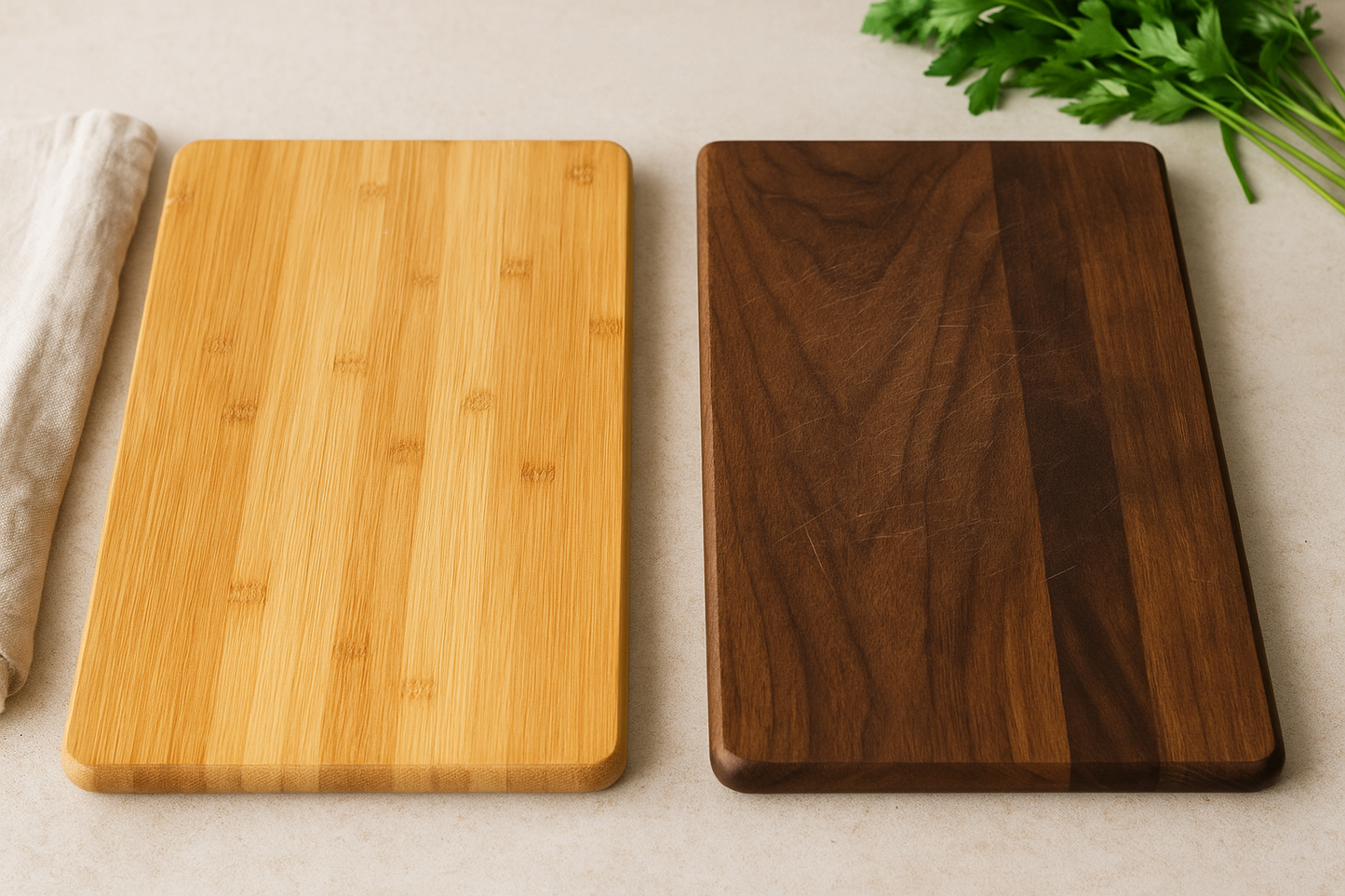
Bamboo is actually a grass but is very strong like hardwood. It is harder than many common hardwoods like maple or walnut. Bamboo is less prone to deep cuts from knives.
Hardwood boards have a traditional look and are usually heavier. Bamboo boards are lighter and often more eco-friendly. Both need oiling to keep the surface smooth and prevent cracking.
- Bamboo is harder than many hardwoods
- Bamboo is lighter and eco-friendly
- Hardwood has a classic look and feel
- Both need regular oiling for care
- Bamboo resists deep knife cuts better
Cost And Value
Bamboo cutting boards usually cost less than hardwood boards. They offer good durability at a lower price. Plastic boards are the cheapest but may wear out faster.
Choosing bamboo can save money over time because it lasts longer than plastic. Hardwood boards may cost more but can also last many years with care. Bamboo is a good balance of cost and quality.
| Material | Typical Cost | Durability | Maintenance |
|---|---|---|---|
| Bamboo | Moderate | High | Regular oiling, hand wash |
| Plastic | Low | Low to Moderate | Dishwasher safe, replace often |
| Hardwood | High | Very High | Regular oiling, hand wash |

Credit: www.amazon.ca
Choosing The Right Bamboo Board
Bamboo cutting boards are popular for their durability and eco-friendliness. Picking the right board helps you cook better and keep your kitchen clean.
Not all bamboo boards are the same. You should know the different types, sizes, and finishes before you buy one.
Types Of Bamboo Boards
Bamboo boards come in two main types: edge-grain and end-grain. Each has different looks and uses.
Edge-grain boards have bamboo strips glued side by side. They are strong and smooth. End-grain boards show the bamboo ends on the surface. They are softer on knives but more expensive.
- Edge-grain: durable and easy to clean
- End-grain: gentle on knives and lasts longer
- Flat-grain: less common, looks unique
Size And Thickness Options
Choose a bamboo board size that fits your kitchen space. Bigger boards give more chopping room but take more space.
Thickness affects how sturdy the board feels. Thicker boards are heavy and stable. Thin boards are light but may move while cutting.
- Small (8″ x 10″): good for light tasks
- Medium (12″ x 18″): fits most kitchens
- Large (18″ x 24″): best for big meals
- Thickness: 0.5″ to 1.5″ depending on use
Design And Finish
Bamboo boards come in natural or colored finishes. Natural boards show bamboo’s light tan color. Some boards have a smooth or textured surface.
Look for boards with food-safe finishes. Oil finishes keep the board safe and help it last. Avoid boards with harmful chemicals.
- Natural finish: classic look, easy to maintain
- Oiled finish: protects and seals the wood
- Juice grooves: catch liquids while cutting
- Handles: help carry and store the board
Credit: www.deerandoak.co.uk
Frequently Asked Questions
Is Bamboo Cutting Board Better Than Wood?
Bamboo boards are harder and more durable than many wood types. They resist knife marks and bacteria well. However, they can dull knives faster. Overall, bamboo offers a good balance of strength, hygiene, and eco-friendliness compared to traditional wooden boards.
Are Bamboo Cutting Boards Easy To Clean?
Yes, bamboo cutting boards are easy to clean. Use warm soapy water and rinse thoroughly. Avoid soaking or dishwasher use to prevent cracking. Proper cleaning maintains hygiene and extends the board’s lifespan effectively.
Does Bamboo Cutting Board Dull Knives Quickly?
Bamboo is harder than some woods, so it can dull knives faster. However, it is less damaging than plastic or glass. Regular sharpening keeps knives effective. Proper use balances durability and knife care with bamboo boards.
Is Bamboo Cutting Board Eco-friendly?
Bamboo is highly eco-friendly. It grows quickly and regenerates without replanting. Bamboo boards reduce deforestation compared to hardwood boards. They offer a sustainable choice for environmentally conscious kitchens.
Conclusion
Bamboo cutting boards offer several advantages. They’re eco-friendly and durable. Bamboo resists knife marks, keeping your board neat. It’s also lightweight, making it easy to handle. Maintenance is simple; just wash and dry it properly. Bamboo’s natural properties help keep bacteria away.
It’s a great choice for those who care about the environment. But, bamboo can be harder on knives. Frequent sharpening might be needed. For many, the benefits outweigh this drawback. Consider bamboo if you want a sustainable kitchen tool. It’s a smart and practical choice for your cooking needs.