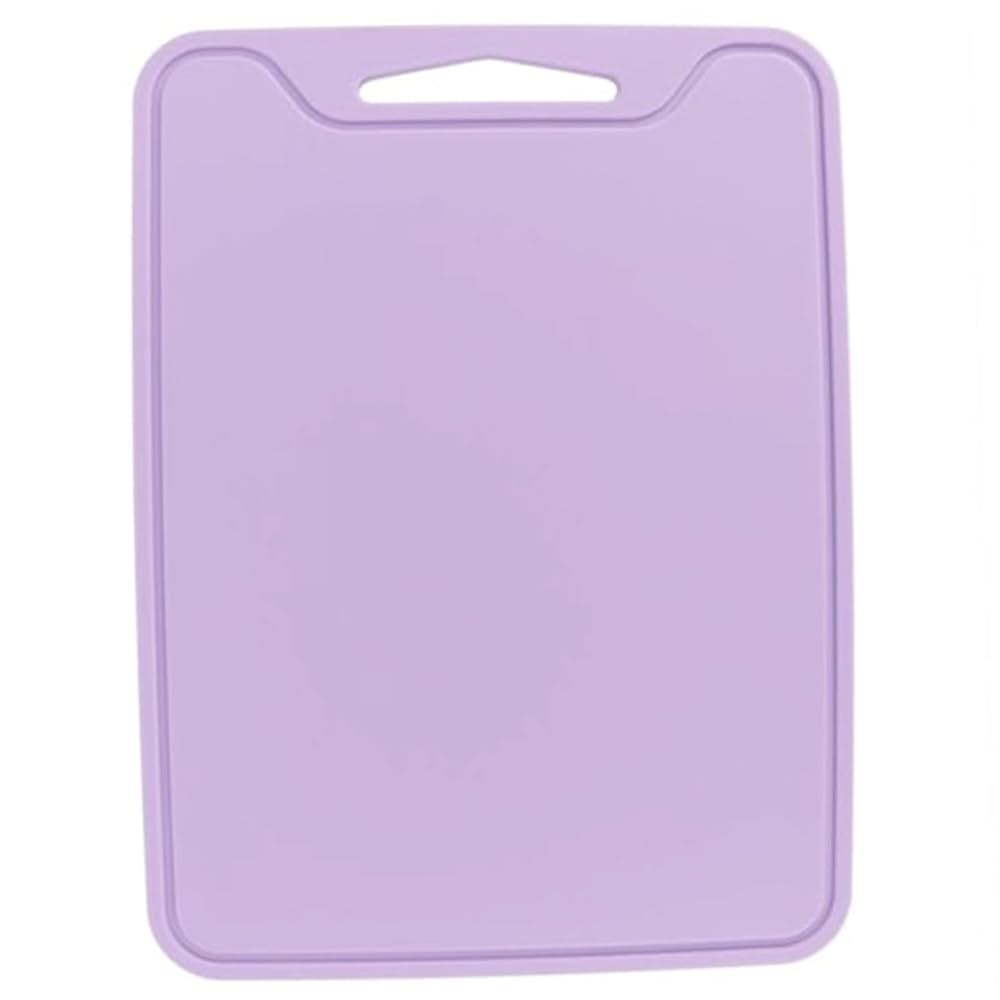
Are you worried about the safety of your kitchen tools? When it comes to cutting boards, you want something that’s not only practical but also safe for your health.
Silicone cutting boards have become popular recently, but are they really non-toxic? You might be asking yourself if using them could expose you or your family to harmful chemicals. You’ll discover the truth about silicone cutting boards and whether they are a safe choice for your kitchen.
Keep reading to make sure you’re protecting your health every time you prepare a meal.

Credit: www.amazon.com
Silicone Material Basics
Silicone is a flexible, rubber-like material used in many products. It is popular in kitchens for safety and durability.
This article explains what silicone is and its common kitchen uses. It helps answer if silicone cutting boards are non-toxic.
What Is Silicone?
Silicone is made from silicon, oxygen, carbon, and hydrogen. It is heat resistant and does not melt easily.
- It stays flexible in cold and hot temperatures.
- It is water and stain resistant.
- It does not react with food or chemicals.
- It is easy to clean and lasts long.
Common Uses In Kitchens
Silicone is used in many kitchen tools because it is safe and practical. People trust it for food contact items.
| Kitchen Item | Reason for Use |
| Cutting boards | Non-porous and easy to clean |
| Baking mats | Heat resistant and reusable |
| Spatulas | Flexible and non-scratch |
| Molds | Flexible for easy food release |

Credit: www.amazon.com
Safety Of Silicone Cutting Boards
Silicone cutting boards are popular in many kitchens. They are known for being flexible and easy to clean.
People often ask if silicone cutting boards are safe to use. This article looks at their safety from different angles.
Chemical Composition
Silicone is made from silicon, oxygen, carbon, and hydrogen. These materials form a stable and non-reactive surface.
- It does not contain BPA or harmful plastics.
- Silicone does not release chemicals into food.
- It resists stains and odors better than some plastics.
Heat Resistance
Silicone can handle high temperatures without melting or breaking down. This makes it safe near hot pots or pans.
| Property | Details |
| Heat Tolerance | Up to 450°F (232°C) |
| Melting Point | Above 500°F (260°C) |
| Effect on Food | No chemical release when heated |
Fda And Food-grade Standards
Most silicone cutting boards meet FDA food-grade standards. This means they are safe for food contact.
- They pass tests for chemical safety.
- They do not leach toxins into food.
- They are approved for use in kitchens worldwide.
Health Benefits And Concerns
Silicone cutting boards have become popular in many kitchens. People want to know if they are safe to use for food preparation.
This article looks at the health benefits and concerns of silicone cutting boards. It explains their non-toxic properties and potential risks.
Non-toxic Properties
Silicone is made from silicon, oxygen, carbon, and hydrogen. These materials are stable and do not break down easily.
High-quality silicone cutting boards do not release harmful chemicals. They do not absorb bacteria or odors like wood or plastic might.
- Heat resistant up to 400°F (204°C)
- Does not leach chemicals into food
- Non-porous surface prevents bacteria growth
- Free from BPA, PVC, and phthalates
Potential Risks And Myths
Some worry silicone cutting boards may release toxins if heated. This risk is low if the board is used normally.
Low-quality silicone products may have fillers or impurities. These can affect safety and durability.
- Do not use silicone boards on hot pans or open flames
- Avoid cutting with very sharp knives to prevent deep cuts
- Check for FDA approval or food-grade certification
- Replace boards with visible damage or heavy wear
Comparison With Other Cutting Boards
Silicone cutting boards are popular for their flexibility and ease of cleaning. It is useful to compare them with other common types of cutting boards.
This helps to understand their safety and practical differences.
Wood Vs Silicone
Wood boards are natural and often prized for their durability. They can be gentle on knives and have natural antimicrobial properties. Silicone boards are softer and more flexible. They do not absorb liquids and are easier to clean.
Plastic Vs Silicone
Plastic boards are common and affordable but can get deep knife cuts. These cuts may harbor bacteria if not cleaned well. Silicone boards resist cuts better and do not easily hold bacteria. Both are dishwasher safe in most cases.
- Plastic boards can warp over time.
- Silicone boards stay flexible and flat.
- Plastic may contain BPA; silicone usually does not.
- Both are non-porous and easy to sanitize.
Bamboo Vs Silicone
Bamboo boards are eco-friendly and hard. They are less porous than wood but still need proper drying to avoid mold. Silicone boards are fully waterproof and do not crack or warp. Bamboo has a natural look, while silicone is colorful and modern.
| Feature | Bamboo | Silicone |
| Water Resistance | Moderate | High |
| Knife Friendliness | Moderate | High |
| Maintenance | Needs drying and oiling | Easy to clean |
| Durability | Can crack or split | Flexible and tough |
Maintenance And Longevity
Silicone cutting boards are popular for their flexibility and safety. Proper care helps keep them clean and lasting longer.
Knowing how to clean and maintain these boards ensures they stay non-toxic and durable for daily use.
Cleaning Tips
Regular cleaning stops bacteria build-up and keeps the board safe to use. Avoid harsh chemicals that can harm silicone.
- Wash with warm, soapy water after each use
- Use a soft sponge or cloth to avoid scratches
- Rinse thoroughly to remove soap residue
- Dry completely before storing to prevent mold
- Occasionally sanitize with a vinegar solution
- Do not use bleach or abrasive cleaners
Durability And Wear
Silicone boards resist cuts and stains better than many materials. Still, sharp knives can cause marks over time.
| Factor | Effect on Silicone Board | Care Advice |
| Knife Type | Sharp knives cause fewer deep cuts | Use sharp knives carefully |
| Cleaning Method | Harsh scrubbing can wear surface | Use gentle cleaning tools |
| Heat Exposure | High heat may warp silicone | Avoid placing near heat sources |
| Storage | Stacking heavy items can deform board | Store flat or hang if possible |
Choosing The Right Silicone Board
Silicone cutting boards are popular for their durability and easy cleaning. Choosing a safe and non-toxic board is important for your health.
This guide helps you find the best silicone board by looking at quality and certifications.
Quality Indicators
High-quality silicone boards are made from food-grade silicone that does not contain harmful chemicals. Look for boards that feel sturdy and do not have a strong smell.
- Soft but firm texture for cutting without damage
- Heat resistance to avoid melting or warping
- Non-porous surface to prevent bacteria growth
- Flexible enough to transfer chopped items easily
- Stain and odor resistant material
Certifications To Look For
Certifications ensure the silicone board meets safety and health standards. Choose boards with recognized marks from trusted organizations.
| Certification | What It Means | Why It Matters |
| FDA Approved | Safe for food contact | Ensures no harmful chemicals leach into food |
| LFGB Certified | Meets German food safety laws | Guarantees high safety and low toxicity |
| SGS Tested | Third-party safety testing | Confirms product quality and safety claims |

Credit: www.amazon.com
Frequently Asked Questions
Are Silicone Cutting Boards Safe For Food?
Yes, silicone cutting boards are safe for food. They are non-toxic, heat-resistant, and don’t harbor bacteria. Silicone is a durable and flexible material. It’s easy to clean and doesn’t retain odors. These qualities make silicone cutting boards a safe option for food preparation.
Do Silicone Cutting Boards Contain Harmful Chemicals?
No, silicone cutting boards do not contain harmful chemicals. They are made from food-grade silicone. This material is non-toxic and safe for kitchen use. Silicone is free from BPA and phthalates. It’s a reliable choice for health-conscious individuals.
How Do Silicone Boards Compare To Plastic?
Silicone boards are more durable than plastic. They resist cuts and scratches better. Silicone is also heat-resistant and doesn’t warp. Unlike plastic, silicone doesn’t retain odors. It’s an eco-friendly and long-lasting option for cutting boards.
Can Silicone Boards Withstand High Temperatures?
Yes, silicone cutting boards can withstand high temperatures. They are heat-resistant up to 446°F (230°C). This makes them ideal for placing hot pots and pans. Silicone’s heat resistance also ensures safety during food preparation. They maintain their shape under heat.
Conclusion
Silicone cutting boards offer a safe option for everyday kitchen use. They resist stains and do not absorb odors. These boards do not release harmful chemicals during normal use. Cleaning them is easy and helps keep bacteria away. Choose high-quality silicone to ensure safety and durability.
Regular care keeps your board lasting longer and safe. Consider silicone boards for a simple, non-toxic kitchen tool. They blend convenience with health-conscious cooking habits. A smart choice for families wanting safer food prep surfaces.