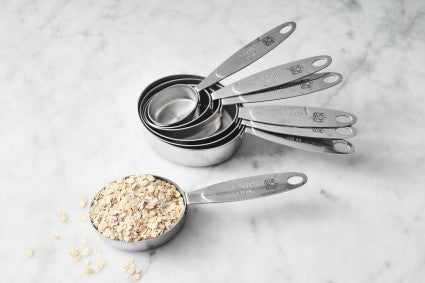
Have you ever wondered if liquid and dry measures are actually the same? You might think a cup is just a cup, whether it’s filled with water or flour.
But here’s the catch: using the wrong type of measure can change your recipe or project in surprising ways. Understanding the difference can save you time, frustration, and help you get the perfect results every time. Keep reading, and you’ll discover exactly why these measurements matter—and how to use them the right way.
Liquid Measures
Liquid measures are used to find out how much liquid is in a container. They help us pour the right amount for recipes and other uses.
These measures are different from dry measures because liquids flow and take the shape of their container.
Common Units
Liquid measures use units that show volume. Some units are used worldwide, while others are popular in certain countries.
- Milliliters (ml)
- Liters (l)
- Teaspoons (tsp)
- Tablespoons (tbsp)
- Cups
- Pints
- Quarts
- Gallons
Usage In Cooking
Liquid measures are important in cooking to get the right taste and texture. Too much or too little liquid can change a recipe.
- Measure water, milk, or broth for soups and sauces.
- Use small units like teaspoons for flavorings.
- Pour liquids carefully to avoid spills.
- Follow recipe instructions for best results.
Measurement Tools
Many tools help measure liquids accurately. Each tool suits different amounts and uses.
| Tool | Description | Common Use |
| Measuring Cups | Clear cups with markings | Measuring cups or more liquid |
| Measuring Spoons | Small spoons with volume marks | Small amounts like spices |
| Liquid Measuring Jug | Jug with a spout and scale | Pouring larger liquid volumes |
| Beakers | Used in labs, marked with volume | Precise scientific measurements |
Dry Measures
Dry measures are used to measure ingredients that are not liquid. These include things like flour, sugar, and grains. Dry measuring helps get the right amount for cooking and baking.
Using dry measures correctly affects the texture and taste of your food. It is important to know the common units and tools used for dry measuring.
Common Units
- Cup (c)
- Pint (pt)
- Quart (qt)
- Ounce (oz)
- Pound (lb)
- Tablespoon (tbsp)
- Teaspoon (tsp)
Usage In Baking
Baking needs precise dry measurements. Too much or too little can change the result. For example, too much flour makes cakes dense.
- Use dry measures for flour, sugar, and cocoa powder.
- Level off dry ingredients with a flat edge for accuracy.
- Do not pack dry ingredients unless the recipe says to.
- Mix dry ingredients before adding liquids for even baking.
Measurement Tools
| Tool | Description | Use |
|---|---|---|
| Dry Measuring Cups | Usually plastic or metal cups | Measure solid ingredients like flour and sugar |
| Measuring Spoons | Small spoons in standard sizes | Measure small amounts like baking powder |
| Kitchen Scale | Digital or mechanical scale | Weigh dry ingredients for more accuracy |
Differences In Measurement
Liquid and dry measures are not the same. They use different ways to measure ingredients.
Understanding these differences helps in cooking and baking for better results.
Volume Vs Weight
Liquid measures focus on volume. They tell how much space a liquid takes up.
Dry measures often use weight. They tell how heavy an ingredient is.
- Liquid measure: cups, milliliters, fluid ounces
- Dry measure: grams, ounces, pounds
- Volume shows space, weight shows mass
Measurement Accuracy
Liquid measuring cups are made to fill to a line. This gives a good volume estimate.
Dry ingredients can pack tightly or loosely. Weight scales give more exact amounts.
- Liquid cups use clear markings for volume
- Dry cups can vary by how packed the ingredient is
- Scales reduce errors by measuring weight
Impact On Recipes
Using liquid measures for dry items can cause errors. The amount may be too much or too little.
Weight measurements help keep recipes consistent. This is important for baking.
- Dry ingredients measured by volume can change results
- Weight gives precise control over ingredient amounts
- Correct measuring improves taste and texture
Credit: www.recipesandplaces.com
Converting Between Measures
Liquid and dry measures are used in cooking and baking. They are not always the same. This difference can make converting between them tricky.
Knowing how to convert properly helps get correct amounts for recipes. It can prevent cooking mistakes and wasted ingredients.
Conversion Challenges
Liquid and dry measures use different units and tools. For example, a cup of liquid is measured by volume, while dry ingredients are often measured by weight.
Some ingredients like flour or sugar can be packed differently. This causes variations in weight and volume, making conversions less exact.
- Liquid measures use cups, pints, quarts, and liters.
- Dry measures often use cups, ounces, and grams.
- Density of dry ingredients changes the conversion.
- Measuring tools differ for liquids and dry items.
Tips For Accurate Conversion
Use a kitchen scale to measure dry ingredients by weight for best accuracy. Weight does not change like volume does.
Check if a recipe uses volume or weight. Follow the same type of measure for conversions.
- Use grams or ounces for dry ingredients.
- Use milliliters or fluid ounces for liquids.
- Level off dry ingredients in measuring cups.
- Use liquid measuring cups with a spout for liquids.
- Refer to conversion charts specific to ingredients.
Practical Tips For Measuring
Liquid and dry measures are not the same. Each needs the right tools for accuracy. Using the wrong tool can cause errors in recipes or projects.
Understanding how to measure correctly saves time and avoids waste. Here are some tips to help you measure right every time.
Choosing The Right Tool
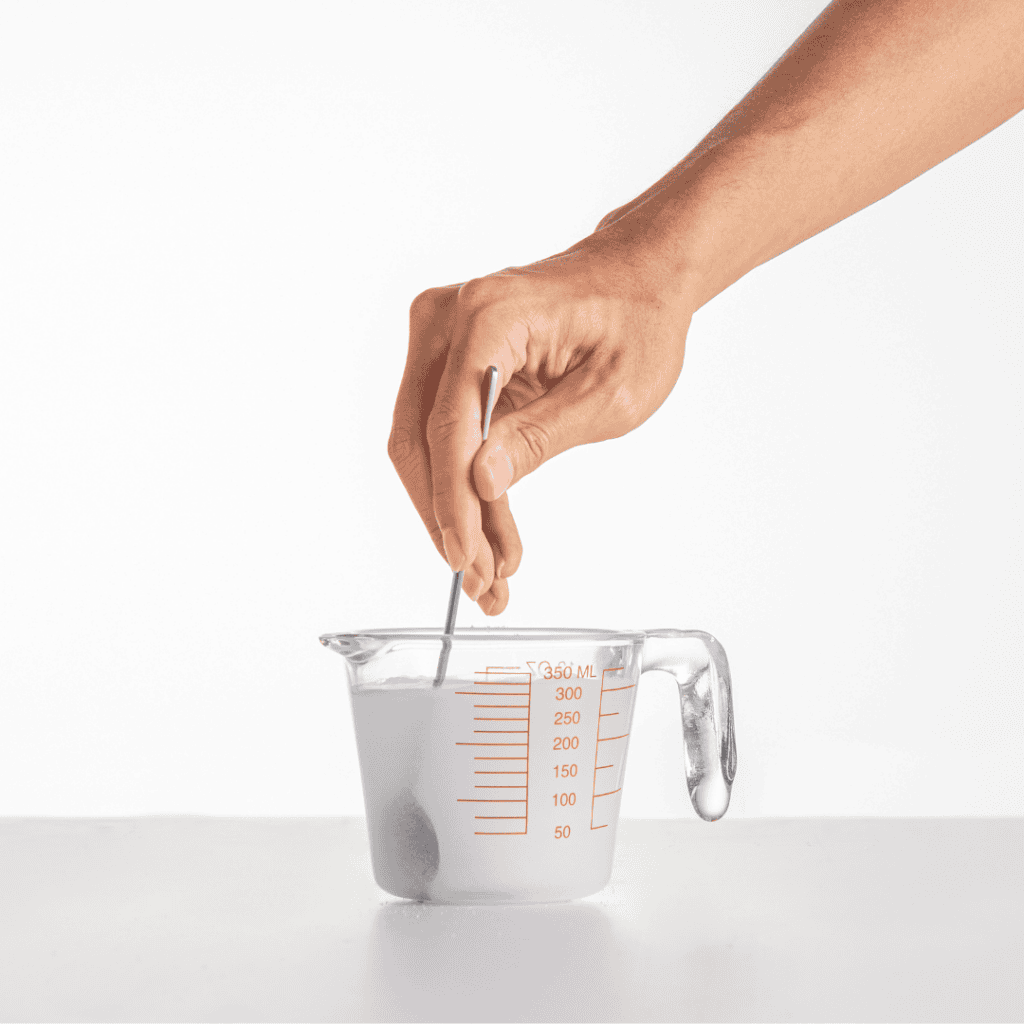
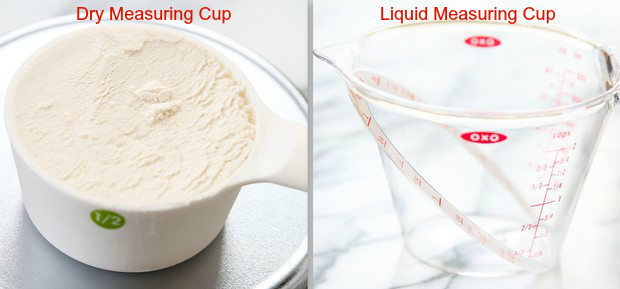
Use liquid measuring cups for liquids like water or oil. These cups have a spout and space above the fill line for easy pouring.
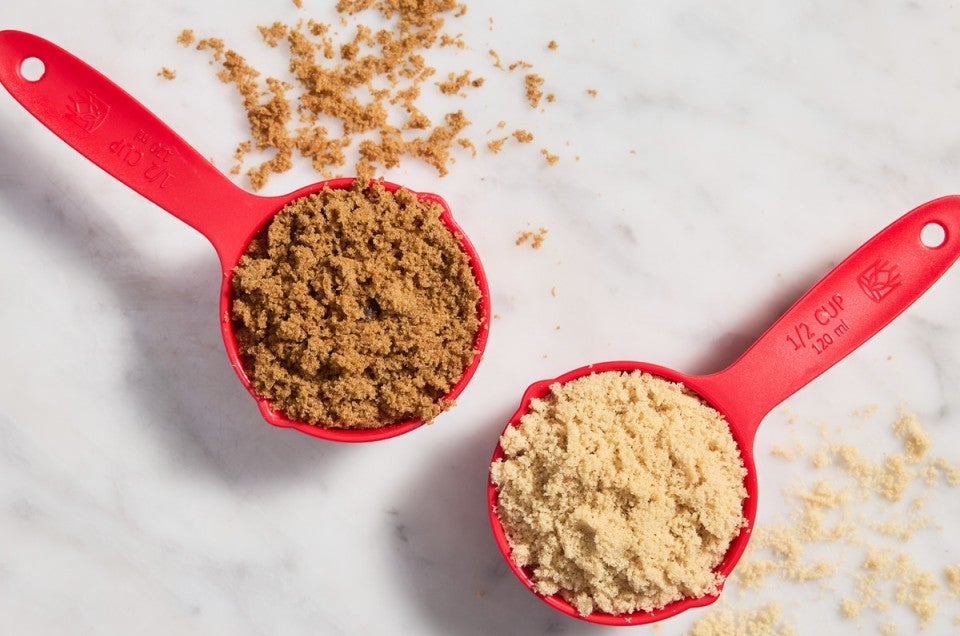
Use dry measuring cups for dry ingredients like flour or sugar. Fill them to the top and level off with a flat edge.
- Liquid cups are usually clear with marks on the side
- Dry cups come in sets with exact volumes
- Measuring spoons work for small amounts of both liquids and dry items
Avoiding Common Mistakes
Do not use dry cups for liquids or liquid cups for dry ingredients. This can cause wrong amounts and bad results.
Check measurements at eye level for liquids. Looking from above or below can give wrong readings.
- Level off dry ingredients with a straight edge
- Pour liquids on a flat surface and read at eye level
- Use proper tools to avoid guessing
- Clean measuring tools after use to avoid mixing flavors
Credit: www.kingarthurbaking.com
Credit: kirbiecravings.com
Frequently Asked Questions
What Is The Difference Between Liquid And Dry Measures?
Liquid measures use volume, while dry measures use weight. Liquids fill containers completely, while dry ingredients may have air pockets. This difference affects cooking precision. Always use appropriate tools for accuracy.
Can You Interchange Liquid And Dry Measuring Cups?
No, it’s not recommended to interchange them. Liquid measuring cups have spouts for pouring. Dry measuring cups allow for leveling off ingredients. Using the correct type ensures accurate measurements for recipes.
Why Are Liquid And Dry Measures Important?
Accurate measurements ensure recipe success. Liquid and dry ingredients behave differently in recipes. Using the correct measure prevents errors and maintains intended texture and flavor.
How Do You Measure Dry Ingredients Accurately?
Use a dry measuring cup and fill it to the brim. Level it off with a straight edge. This method ensures precision and consistency in your recipes.
Conclusion
Liquid and dry measures are not the same. They serve different purposes in cooking and baking. Using the wrong measure can change your recipe’s outcome. Liquid measures are for fluids like water or oil. Dry measures are for ingredients like flour or sugar.
Always use the right tool for the ingredient you measure. This helps keep your recipes accurate and tasty. Understanding these differences makes cooking easier and more fun. Remember, small details can make a big difference in your kitchen. Choose wisely and enjoy your cooking experience.