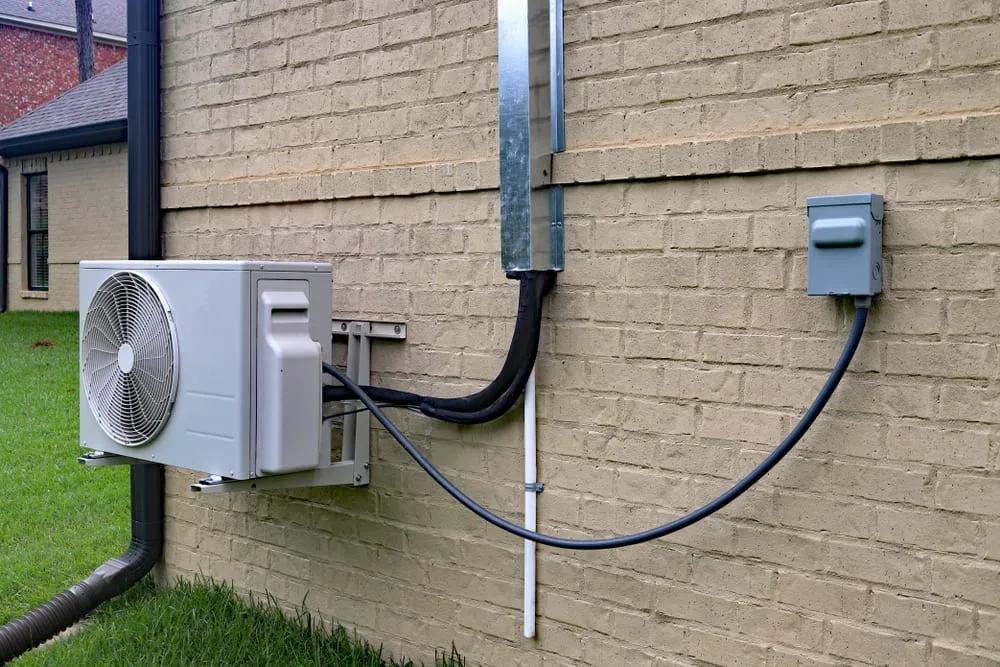
Are you tired of sweating through hot days and restless nights? Installing an air conditioner can be the game-changer your home needs.
But if you’re worried it’s complicated or expensive, don’t be. This guide will walk you through every simple step to install your air conditioner quickly and confidently. By the end, you’ll know exactly what to do to bring cool comfort into your space—and save money by doing it yourself.
Ready to beat the heat? Let’s get started!

Credit: thelenmechanical.com
Choose The Right Air Conditioner
There are several types of air conditionersto choose from. Window units are easy to install and affordable. Split systems offer quiet operation and cool larger spaces. Portable units are flexible but less powerful.
Choosing the right sizeis very important. A unit that is too small won’t cool well. A unit that is too big wastes energy. Measure your room size to find the perfect fit.
| Energy Efficiency Rating | What It Means | Why It Matters |
|---|---|---|
| SEER | Seasonal Energy Efficiency Ratio | Higher SEER means lower electricity bills |
| EER | Energy Efficiency Ratio | Measures cooling efficiency at peak conditions |
| Energy Star | Certification for energy-saving products | Helps reduce energy use and protect environment |
Prepare The Installation Site
Choose a spot with good airflow and no direct sunlight. The location should be near a window or an external wall. Make sure it is strong enough to hold the unit’s weight.
Remove any furniture or objects around the installation area. This clears space for easy installation and maintenance. Keep the area clean to avoid dust entering the unit.
| Electrical Needs | Details |
|---|---|
| Power Supply | Check if your home has the correct voltage and amperage. |
| Dedicated Circuit | Ensure a separate circuit is available for the air conditioner. |
| Outlet Type | Use an outlet that matches the AC plug and supports its power. |
Gather Necessary Tools And Materials
Gathering the right tools and materialsis key for installing an air conditioner.
Basic tools needed include:
- Drill with drill bits
- Screwdrivers (flathead and Phillips)
- Measuring tape
- Level
- Utility knife
- Wrench set
Additional supplies may be required, such as:
- Mounting brackets or window kit
- Sealant or weather stripping
- Electrical tape
- Extension cord (if needed)
Safety equipment is important to protect yourself:
- Gloves for hand protection
- Safety glasses to shield eyes
- Dust mask if drilling into walls
Having all these items ready helps the installation go smoothly.
Credit: m.youtube.com
Install The Mounting Bracket
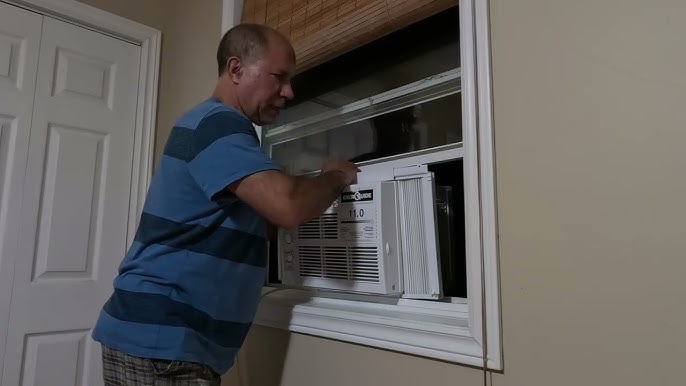
Mark the wall where the mounting bracket will go. Use a pencil to make clear marks. Check the space is free of wires or pipes behind the wall. This helps avoid accidents.
Secure the bracket with strong screws. Make sure the screws fit the wall type, like drywall or brick. Tighten the screws well to hold the bracket firmly.
Use a level tool to check the bracket’s position. The bracket must be perfectly horizontal. This keeps the air conditioner stable and works well.
Set Up The Air Conditioner Unit
Position the air conditioner unit where it gets good airflow. Avoid direct sunlight or places near heat sources. Make sure the unit is stable and level to work well.
Connect the drainage pipe to let water flow out. This stops water from pooling inside the unit. Ensure the pipe slopes downward for smooth drainage.
Seal any gaps around the unit to keep cool air inside. Use weatherproof tape or foam sealant. This helps save energy and stops insects from entering.
Make Electrical Connections
Always turn off the powerbefore starting any electrical work. This prevents electric shocksand keeps you safe. Use the main breaker to cut power to the unit’s circuit.
Connect the wires from the air conditioner to the home’s electrical system. Match the color-coded wirescarefully: black to black, white to white, and green or bare copper to ground. Use wire nuts to secure connections tightly.
Test the wiring by turning the power back on. Check if the unit powers up without sparks or unusual noises. Use a voltage tester to confirm correct wiring. If unsure, consult a professional electrician.
Final Checks And Testing
Power on the air conditioner by plugging it into the power source. Check for any unusual sounds or smells. The unit should start smoothly without any issues.
Feel the airflow from the vents. It should be strong and cool. Weak airflow means a possible blockage or problem with the fan. Adjust or clean filters if needed.
Set the temperature and fan speed using the remote or control panel. Start with a medium setting and adjust for comfort. Make sure the unit responds quickly to changes.
- Ensure the power cord is secure and undamaged.
- Listen for steady, quiet operation.
- Check airflow direction and strength.
- Adjust temperature to test cooling efficiency.
- Confirm all controls work correctly.
Maintenance Tips For Longevity
Cleaning filtersis key to keeping an air conditioner working well. Dirty filters block airflow and reduce cooling power. Remove filters and wash them with water. Let them dry fully before putting back. This should be done every 1-2 months during use.
Inspecting componentshelps spot issues early. Check the outdoor unit for dirt, leaves, or debris. Look for any cracks or leaks in pipes. Make sure the fan and coils are clean. Clear any obstacles around the unit to allow good airflow.
Scheduling professional servicingkeeps the system in top shape. Experts clean deep parts and check refrigerant levels. They fix small problems before they grow. Aim for a service once every year or before summer starts. This helps prevent costly breakdowns and extends the AC’s life.

Credit: extrordinair.com.au
Frequently Asked Questions
What Tools Are Needed To Install An Air Conditioner?
To install an air conditioner, you need a drill, a level, a screwdriver, and a measuring tape. Ensure you have a mounting bracket and weatherproof sealant. These tools help ensure a secure and efficient installation process.
How To Choose The Right Location For Ac?
Choose a shaded location away from heat sources to enhance efficiency. Ensure there’s enough space for airflow around the unit. Avoid placing it near electronic devices to prevent interference.
Can I Install The Ac Unit Myself?
Yes, you can install it yourself if you have the right tools and follow instructions. However, hiring a professional can ensure safety and efficiency. Always check the user manual for specific installation guidelines.
How To Ensure A Secure Ac Installation?
Use a sturdy mounting bracket and secure it with screws. Check that it’s level to prevent vibrations. Ensure all connections are tight and sealed to prevent leaks and inefficiency.
Conclusion
Installing an air conditioner can make your home much cooler. Follow the steps carefully for safe and proper setup. Check all connections and test the unit after installation. Regular maintenance helps the air conditioner work well longer. Enjoy a comfortable space during hot days ahead.
Taking your time ensures good results without extra costs. Stay cool and save energy with your new air conditioner. Simple tools and patience make the job easier than expected.