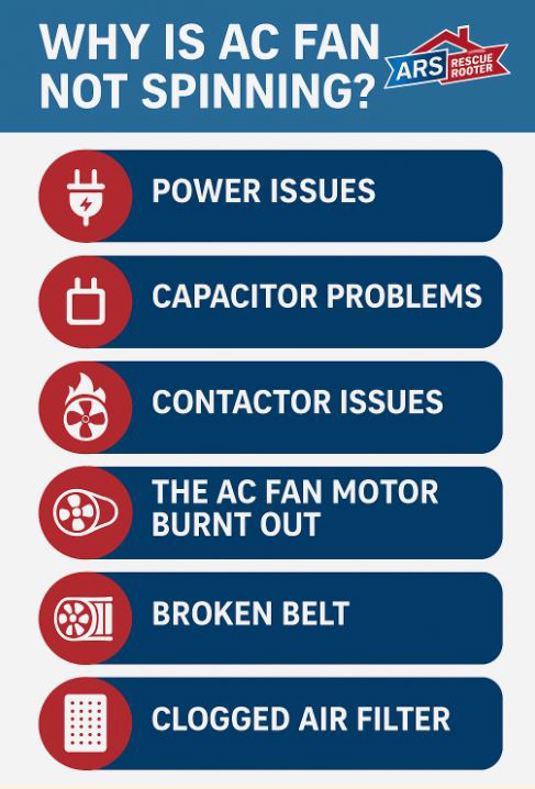
Is your air conditioner suddenly not working? It’s frustrating, especially when you need it the most.
You might wonder what’s causing the problem and if you can fix it yourself. Understanding the common reasons behind a broken air conditioner can save you time, money, and stress. You’ll discover the main causes that stop your air conditioner from running smoothly—and what you can do about them.
Keep reading to get your cool back!
Common Electrical Issues
Tripped circuit breakerscan stop your air conditioner from working. Breakers cut power to prevent electrical overload. Resetting the breaker often fixes this problem.
Blown fusesare another common issue. Fuses protect the system by breaking the circuit if there is too much current. Replacing a blown fuse can restore power.
Faulty wiringcauses poor connections or shorts in the system. This problem can stop the air conditioner completely or cause it to work irregularly. It is safer to have a professional check and fix wiring issues.
Thermostat Problems
The thermostatcontrols the air conditioner’s temperature. Incorrect settings can stop it from working. Setting the thermostat too high or too low may confuse the system. The unit might not turn on or cool properly if settings are wrong.
Dead batteries in the thermostat cause power loss. This can stop the air conditioner from receiving signals. Replacing batteries often fixes this simple problem quickly.
Sensor malfunctions make the thermostat read wrong temperatures. If the sensor is too close to heat or cold sources, it gives false readings. This can stop the air conditioner from running at the right time.
Refrigerant Leaks
Low refrigerant levelshappen when there are leaks in the air conditioner. This fluid is key to cooling the air. Without enough refrigerant, the system can’t cool properly.
Signs of leaksinclude:
- Warm air from vents
- Ice buildup on coils
- Hissing or bubbling sounds
- Higher energy bills
Impact on coolingis clear. The air conditioner loses power and stops cooling well. It may also cause the system to shut down to protect itself. Fixing leaks and refilling refrigerant helps the AC work right again.
Dirty Or Clogged Filters
Dirty or clogged filterscause reduced airflowinside the air conditioner. This makes the system work harder to cool the room. Poor airflow can lead to uneven cooling and increased wear on parts.
Increased energy usehappens because the AC must run longer to reach the desired temperature. This wastes electricity and raises utility bills. A dirty filter also reduces the AC’s lifespan.
| Filter Replacement Tips |
|---|
| Check filters every month during heavy use. |
| Replace filters every 1-3 months depending on use and air quality. |
| Use the right filter size and type for your AC model. |
| Clean reusable filters regularly to keep them efficient. |
Frozen Evaporator Coils
Frozen evaporator coils happen when there is poor airflowor low refrigerant. Dirt and dust on the coils can also cause freezing. This stops the air conditioner from cooling properly.
Freezing leads to lower coolingand higher energy use. It can cause the AC to stop workingcompletely. The system may get damaged if freezing happens often.
- Keep air filters clean to allow good airflow.
- Check refrigerant levels regularly.
- Remove dirt and dust from coils.
- Schedule regular AC maintenance.
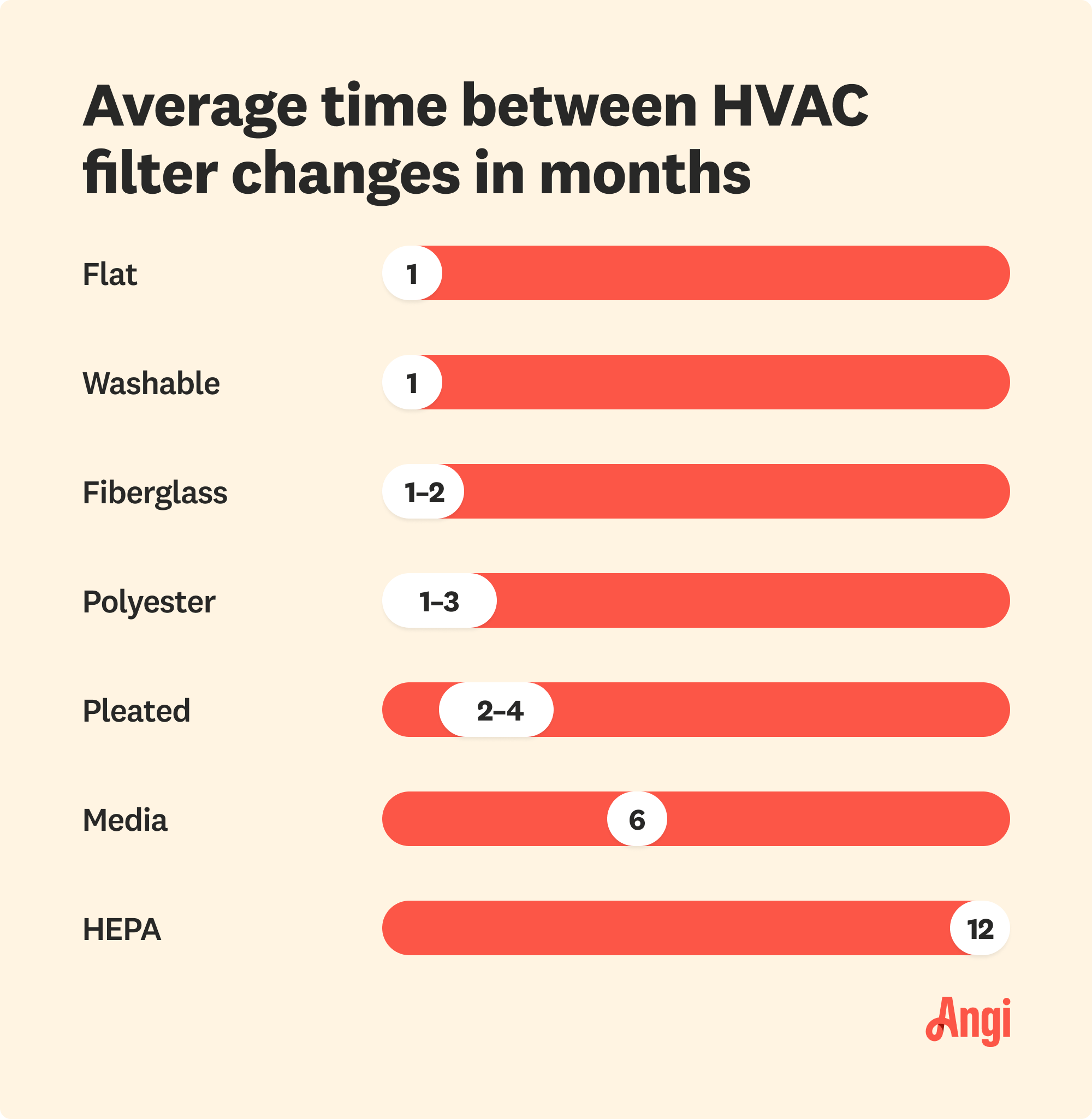
Credit: www.angi.com
Compressor Failures
Compressor failures often cause an air conditioner to stop working. Overheating, electrical problems, or worn-out parts can damage the compressor. Regular maintenance helps prevent these issues and keeps the system running smoothly.
Role Of The Compressor
The compressoris the heart of an air conditioner. It pumps refrigerant through the system. This process helps cool the air inside your home. Without a working compressor, the air conditioner cannot cool effectively.
Common Signs Of Failure
- Warm air blows from vents
- Loud noises from the unit
- Unit stops running suddenly
- Frequent cycling on and off
- Increased energy bills
Repair Vs Replacement
| Repair | Replacement |
|---|---|
| Cost-effective for minor issues | Needed for severe or repeated failures |
| Extends unit life | Improves energy efficiency |
| Quick fix for small problems | Better for old or heavily damaged units |
Drainage Problems
Clogged drain linesoften stop air conditioners from working. Dirt, dust, and algae block the pipes. This causes water to back up inside the unit. The AC may then shut down to avoid damage.
Water leakshappen when drainage is poor. Water can drip inside the house or near the AC. Leaks can damage walls and floors if not fixed fast. They also reduce the AC’s cooling power.
- Check drain lines every few months.
- Clear any blockages with a wet-dry vacuum.
- Use a vinegar solution to kill algae.
- Inspect for leaks around the unit.
- Call a professional if water problems persist.
Fan And Motor Issues
Worn out motorscan cause the air conditioner to stop working properly. Over time, the motor may get old and fail to run the fan. This leads to poor air circulation and cooling issues. A motor that struggles may also overheat and shut down.
Fan blade damageis another common problem. Bent or broken blades stop the fan from spinning smoothly. This reduces airflow and may cause the motor to work harder. Sometimes, debris or dirt buildup also harms the blades.
Noise and vibrationoften signal fan or motor issues. Loud sounds or shaking can mean loose parts or bad bearings. Ignoring these noises might cause more damage and stop the AC completely.
Lack Of Regular Maintenance
Regular servicingkeeps your air conditioner running well. Dirt and dust build up inside, causing parts to break. Cleaning the filters and coils helps air flow better. This stops the system from working too hard and wearing out fast.
Simple tasks like checking the filter and cleaning the outside unit can help a lot. Clear leaves and debris from the outdoor part. Make sure the area around the unit is free and clean. Check for odd sounds or leaks that may need fixing.
- Clean or replace air filters every 1-2 months
- Clear debris from outdoor condenser unit
- Check thermostat settings and batteries
- Inspect for unusual noises or leaks
Call a professional if the AC won’t start or cool properly. Strange noises or bad smells mean it needs expert care. Also, if the unit turns off suddenly or freezes, it needs a check-up. Professionals can fix complex parts and prevent bigger damage.
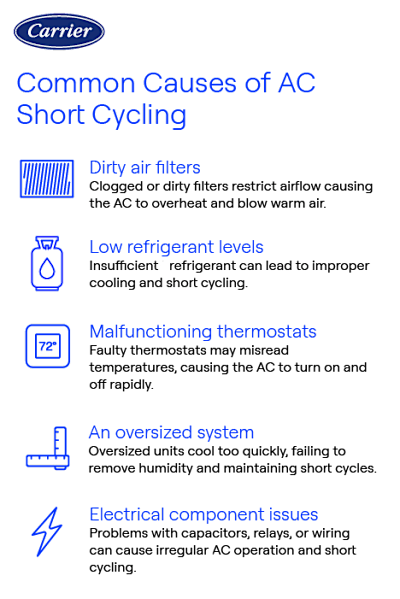
Credit: www.carrier.com

Credit: www.youtube.com
Frequently Asked Questions
Why Is My Ac Not Blowing Cold Air?
Your AC might not blow cold air due to a refrigerant leak, dirty filters, or thermostat issues. Check for clogged filters and ensure the thermostat is set correctly. If the problem persists, professional inspection is recommended to prevent further damage.
What Causes Ac Compressor Failure?
AC compressor failure can result from electrical issues, refrigerant leaks, or lack of maintenance. Regular servicing and timely repairs can prevent such failures. If you suspect compressor issues, consult an HVAC technician to diagnose and fix the problem efficiently.
How Can I Tell If My Ac Is Low On Refrigerant?
Signs of low refrigerant include warm air, longer cooling cycles, and ice on the coils. Regular maintenance checks can detect refrigerant issues early. If you notice these symptoms, contact a professional to safely recharge your system and ensure optimal cooling.
Why Does My Ac Keep Turning On And Off?
Frequent cycling can be due to thermostat placement, dirty filters, or electrical problems. Ensure your thermostat is away from heat sources and replace filters regularly. If frequent cycling continues, consult a technician to inspect and resolve the issue efficiently.
Conclusion
Air conditioners can stop working for many simple reasons. Dirt, worn parts, or electrical issues often cause problems. Regular cleaning and quick repairs help keep units running. Ignoring small signs can lead to bigger damage. Knowing common causes saves time and money.
Stay alert to noises, smells, or weak cooling. Proper care ensures your air conditioner works well longer. Don’t wait until it stops completely to act. Small steps make a big difference in comfort and cost.