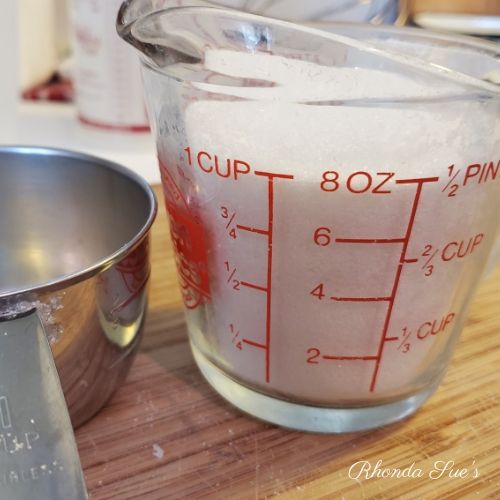
Have you ever struggled to measure 3/4 cup when all you have is a 1/3 cup measuring tool? It’s a common kitchen challenge that can throw off your entire recipe.
But don’t worry—this guide will show you a simple, foolproof way to get the exact amount you need without extra gadgets. By the end, you’ll be confident in your measuring skills and ready to tackle any recipe with ease. Keep reading to discover the easy math trick that saves time and prevents mistakes every time you cook or bake.
Tools You Need
Measuring 3/4 cup using a 1/3 cup measure is easy with the right tools. Using proper tools helps you get the right amount every time.
This guide covers common measuring cups and alternative kitchen tools. These tools make measuring simple and accurate.
Common Measuring Cups
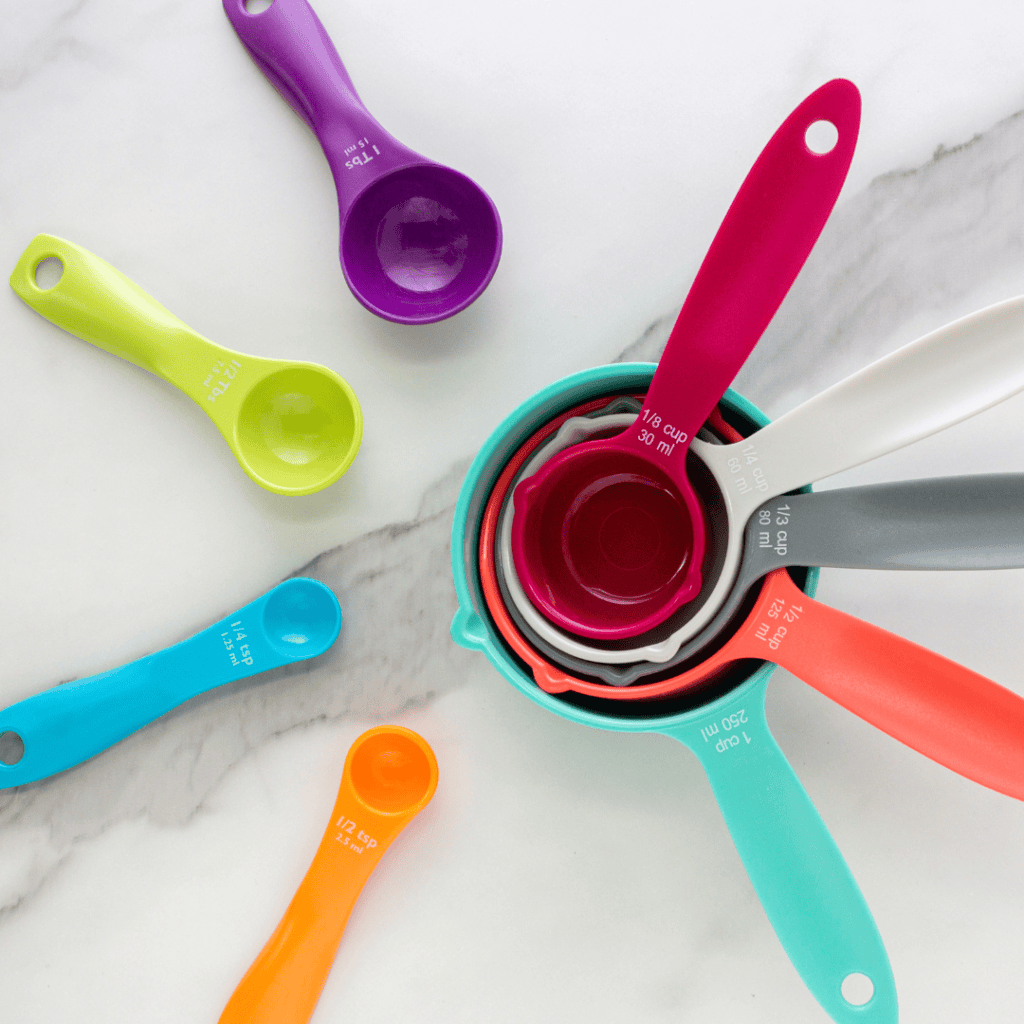
Measuring cups come in sets with different sizes. They usually include 1 cup, 1/2 cup, 1/3 cup, and 1/4 cup sizes.
To measure 3/4 cup, you can use the 1/3 cup measure twice and add a 1/8 cup or approximate with other cups.
- 1 cup
- 1/2 cup
- 1/3 cup
- 1/4 cup
- 1/8 cup (sometimes included)
Alternative Kitchen Tools
You can use spoons or a kitchen scale if you do not have measuring cups. Tablespoons and teaspoons are common tools.
One cup equals 16 tablespoons. So, 3/4 cup equals 12 tablespoons. A kitchen scale can measure grams or ounces for accuracy.
- Tablespoons and teaspoons
- Liquid measuring cups for wet ingredients
- Kitchen scale for weight measurement
Using A 1/3 Cup To Measure 3/4 Cup
Measuring 3/4 cup can be tricky without the right tools. You can use a 1/3 cup measure instead. This guide shows how to do it accurately.
Using smaller measuring cups helps when you don’t have the exact size. Learn the math and steps to get the right amount.
Basic Calculation Method
First, understand the math behind using a 1/3 cup to measure 3/4 cup. The goal is to find how many 1/3 cups equal 3/4 cup.
1/3 cup is the same as 4/12 cup.
3/4 cup equals 9/12 cup.
To find how many 1/3 cups make 3/4 cup, divide 9/12 by 4/12:
(9/12) ÷ (4/12) = 9/12 × 12/4 = 9/4 = 2.25
You need 2.25 times a 1/3 cup to get 3/4 cup.
Step-by-step Measuring Guide
- Fill the 1/3 cup measure completely.
- Pour it into your mixing bowl.
- Repeat and fill the 1/3 cup again.
- Pour it into the bowl again.
- Fill the 1/3 cup halfway (about 1/4 of the cup).
- Pour the half-filled 1/3 cup into the bowl.
By following these steps, you add two full 1/3 cups plus a quarter of a 1/3 cup. This equals 3/4 cup.
Quick Hacks For Accurate Measurement
Measuring 3/4 cup using a 1/3 cup can be tricky. Using simple tricks helps you get it right fast. These hacks save time and avoid mistakes.
Try these easy methods to measure ingredients correctly without a 3/4 cup measuring cup.
Visual Estimation Tips
Look at your 1/3 cup and imagine three equal parts. Filling it twice will get close to 2/3 cup. Then add about half of the 1/3 cup to reach 3/4 cup.
- Fill the 1/3 cup twice to make 2/3 cup.
- Estimate half of the 1/3 cup to add next.
- Combine them to get about 3/4 cup.
- Use a flat edge to level off the ingredient for accuracy.
- Practice this to improve your eye for volume.
Using Tablespoons And Teaspoons
If you have tablespoons and teaspoons, use this simple table to measure 3/4 cup using 1/3 cup.
| Measurement | Equivalent |
| 1 cup | 16 tablespoons |
| 3/4 cup | 12 tablespoons |
| 1/3 cup | 5 tablespoons + 1 teaspoon |
| To measure 3/4 cup | Fill 1/3 cup twice (10 tbsp + 2 tsp), then add 2 tbsp |
Credit: www.recipesandplaces.com
Adjusting Recipes Without Standard Measures
Many recipes use standard cups and spoons to measure ingredients. Not everyone has these tools at home. You can still cook by adjusting recipes with what you have.
This guide helps you measure 3/4 cup using a 1/3 cup measure. It also shows how to scale and substitute ingredients safely.
Scaling Ingredients
To measure 3/4 cup using a 1/3 cup, you need to combine smaller amounts. Scaling means changing ingredient amounts while keeping the same taste.
- Fill the 1/3 cup measure twice. This gives you 2/3 cup.
- Add half of the 1/3 cup measure once more. Half of 1/3 cup is about 1/6 cup.
- Add the 2/3 cup and 1/6 cup together. It equals 3/4 cup.
This method works well for liquids and dry ingredients. Use a spoon to level off dry items for accuracy.
Substituting Measurements
Sometimes you need to swap measurements because you lack the right tools. Using common kitchen items helps you estimate amounts quickly.
| Needed | Use This | Notes |
| 3/4 cup | 2 × 1/3 cup + 1/6 cup | See scaling steps above |
| 1/3 cup | 5 tablespoons + 1 teaspoon | 1 tablespoon = 3 teaspoons |
| 1/4 cup | 4 tablespoons | Exact substitute |
Use this table to convert cups into tablespoons and teaspoons. This helps when you have spoons but no cup measures.
Common Mistakes To Avoid
Measuring 3/4 cup using a 1/3 cup measure can be tricky. Many people make simple mistakes that affect the recipe’s outcome.
Knowing what to avoid helps you get accurate measurements every time. This guide explains two common errors to watch for.
Overpacking Ingredients
Filling the measuring cup too full can cause you to add too much. Overpacking is common with flour or brown sugar.
Ingredients packed tightly weigh more than ingredients that are loose. This changes the amount you add to the recipe.
- Do not press down hard when filling the cup.
- Fill the cup lightly and level it off with a knife.
- Use a spoon to scoop flour into the cup instead of scooping directly.
Ignoring Ingredient Density
Different ingredients have different weights for the same volume. A 1/3 cup of flour weighs less than 1/3 cup of sugar.
Measuring by volume only works well if you adjust for ingredient density. Not doing this can cause wrong amounts in your recipe.
- Use a kitchen scale for better accuracy.
- Know if the ingredient is light or dense.
- Adjust the number of 1/3 cups needed based on the ingredient.

Credit: www.amazon.com
Tips For Consistent Baking Results
Measuring ingredients correctly is key to baking success. Using the right amounts helps your recipes turn out great every time.
Learning how to measure fractions like 3/4 cup using 1/3 cups can improve your baking accuracy. Let’s look at some helpful tips.
Leveling Ingredients
Always level dry ingredients like flour or sugar with a flat edge. This stops you from adding too much or too little.
Fill your 1/3 cup measure twice for 2/3 cup, then add half of the 1/3 cup measure to reach 3/4 cup.
- Fill the 1/3 cup measure and level it off.
- Repeat to fill 2/3 cup total.
- Fill the 1/3 cup measure halfway and level it.
- Add this half to the 2/3 cup for 3/4 cup total.
Weighing Ingredients For Precision
Using a kitchen scale gives the most precise measurements. Weighing ingredients reduces guesswork and errors.
For example, 3/4 cup of flour usually weighs about 90 grams. Using grams helps keep results consistent.
| Ingredient | 3/4 Cup Weight (grams) |
|---|---|
| All-purpose flour | 90 |
| Sugar | 150 |
| Butter | 170 |

Credit: rhondasues.com
Frequently Asked Questions
How Can I Measure 3/4 Cup Using 1/3 Cup?
To measure 3/4 cup using a 1/3 cup, fill the 1/3 cup twice. This gives you 2/3 cup. Then, fill the 1/3 cup halfway to get an additional 1/6 cup. Combine these to make 3/4 cup.
What Is 3/4 Cup Equivalent In 1/3 Cup Measurements?
3/4 cup is equivalent to two and a quarter 1/3 cups. To get this, fill the 1/3 cup twice and then half-fill it again. This method ensures an accurate measurement.
How Many Times Do I Use 1/3 Cup For 3/4 Cup?
Use the 1/3 cup two and a quarter times to get 3/4 cup. Fill it twice completely, then half-fill it once. This adds up to the desired 3/4 cup measurement.
Is 3/4 Cup More Than Two 1/3 Cups?
Yes, 3/4 cup is slightly more than two 1/3 cups. Two 1/3 cups equal 2/3 cup. Add another 1/6 cup to reach 3/4 cup.
Conclusion
Measuring 3/4 cup with a 1/3 cup is simple with the right steps. Use the 1/3 cup twice, then add half of it again. This method saves time and avoids guesswork. It helps keep your recipes accurate and tasty. Practice a few times to get comfortable.
Soon, you will measure ingredients without any tools. Cooking and baking become easier and more fun this way. Try it next time in your kitchen!