Your cutting board is more than just a kitchen tool—it’s where you prep meals, craft recipes, and bring flavors to life. But do you know the best way to store it to keep it clean, safe, and long-lasting?
If you’re like most people, you might be leaving it in spots that can damage it or even cause bacteria to grow. Stick with me, and you’ll discover simple, smart ways to store your cutting board that protect your investment and make your kitchen safer.
Ready to give your cutting board the care it deserves? Let’s dive in.
Choosing The Right Spot
Storing your cutting board properly keeps it clean and safe. Picking the right place helps it last longer.
A good spot protects the board from damage and keeps it ready for use. Think about moisture, sunlight, and air flow.
Avoid Moisture And Heat
Moisture can cause wood to warp or crack. Heat can dry out the board and make it brittle.
Keep your cutting board away from sinks, dishwashers, and stoves. These places have lots of steam and heat.
- Do not store near the sink or dishwasher
- Avoid placing close to the stove or oven
- Use a dry area to prevent warping
Keep Away From Direct Sunlight
Sunlight can fade the color of the cutting board. It also causes the wood to dry and crack over time.
Store the board in a shaded place. This helps keep the wood strong and looking good.
- Do not place near windows with direct sun
- Choose a spot with soft or no light
- Cover the board if sunlight is unavoidable
Select A Well-ventilated Area
Good air flow helps the cutting board dry after use. It stops mold and odors from forming.
Pick a spot where air moves freely. Avoid tight cabinets with no ventilation.
- Use open shelves or racks
- Avoid closed, damp spaces
- Let the board air dry completely before storing

Credit: www.amazon.ca
Cleaning Before Storage
Keeping your cutting board clean before storing it helps prevent bacteria growth. Proper cleaning also protects the board’s surface and extends its life.
Follow simple cleaning steps to make sure your cutting board stays safe and ready to use next time.
Proper Washing Techniques
Wash your cutting board with hot, soapy water right after use. Use a sponge or brush to scrub all surfaces well.
Avoid soaking wooden boards in water to prevent warping. Rinse the board completely to remove soap.
- Use hot water and dish soap
- Scrub all surfaces thoroughly
- Rinse well to remove soap
- Do not soak wooden boards
Drying Thoroughly
After washing, dry your cutting board completely. Use a clean towel to wipe it down and then air dry.
Keep the board in a standing position or place it where air can flow around it. This stops moisture buildup that can cause mold.
- Wipe dry with a clean towel
- Air dry in a well-ventilated spot
- Store standing up or flat with space around
Removing Stains And Odors
To remove stains and odors, sprinkle baking soda on the board. Rub it with a lemon half or a damp cloth.
Let it sit for a few minutes before rinsing. This natural method helps keep your board fresh without harsh chemicals.
- Sprinkle baking soda on the board
- Rub with lemon or damp cloth
- Let it sit for several minutes
- Rinse with warm water
Storage Methods
Storing your cutting board properly keeps it clean and safe. It also helps the board last longer.
There are different ways to store a cutting board. Choosing the right way depends on your kitchen space and tools.
Vertical Vs Horizontal Placement
Placing a cutting board vertically saves counter space. It also lets air dry the board faster.
Horizontal placement keeps the board flat and steady. It is good for larger boards or when drying is not an issue.
- Vertical placement prevents moisture buildup.
- Horizontal placement is easier to access quickly.
- Vertical may need a slot or divider for support.
- Horizontal requires enough space on counters or shelves.
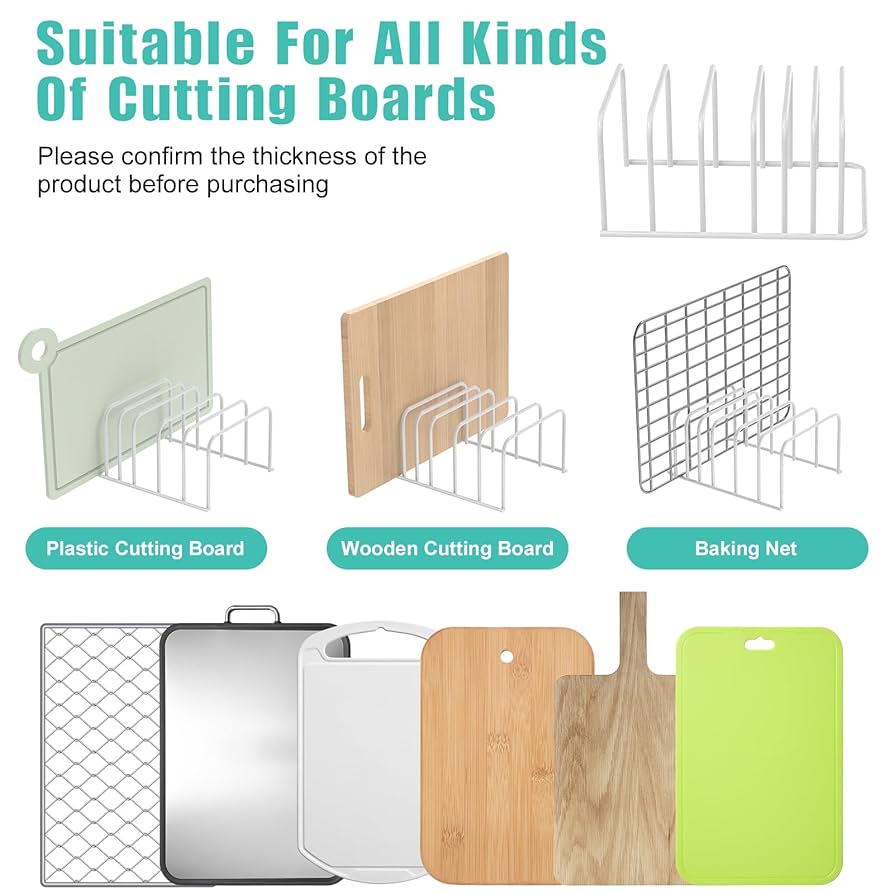
Using Racks And Holders
Racks and holders keep cutting boards organized and upright. They help boards dry and stay clean.
Choose racks that fit your board size. Some racks hold several boards at once.
- Wooden racks suit wooden cutting boards.
- Metal racks are easy to clean and sturdy.
- Adjustable holders fit different board thicknesses.
- Some racks have drainage to avoid water build-up.
Storing With Other Kitchen Tools
Keep cutting boards near knives and utensils for easy use. This saves time while cooking.
Avoid stacking boards with heavy tools to prevent damage. Use separators or dedicated spaces if possible.
- Store boards next to knives for quick prep work.
- Use drawer dividers to separate boards from tools.
- Keep boards away from damp sponges or cloths.
- Use wall hooks or magnetic strips for small boards.

Credit: virginiaboyskitchens.com
Maintaining Cutting Board Longevity
Taking good care of your cutting board helps it last longer. Proper storage and maintenance keep it safe from damage.
Using the right methods protects the board from cracking, drying, or warping over time.
Regular Oil Treatment
Oiling your cutting board keeps the wood from drying out. It seals the surface and stops water from soaking in.
Use food-safe mineral oil and apply it every few weeks. Let the oil soak in, then wipe off any extra.
- Clean the board before oiling
- Apply a thin, even layer of oil
- Let it absorb for several hours or overnight
- Wipe off excess oil with a soft cloth
Avoiding Harsh Chemicals
Harsh cleaners can damage the cutting board’s surface. Avoid bleach or strong detergents that dry out the wood.
Use mild soap and warm water to clean your board. Dry it well to prevent moisture buildup and mold.
- Do not soak the board in water
- Use a soft sponge or cloth for cleaning
- Rinse thoroughly with warm water
- Dry the board immediately after washing
Repairing Minor Damage
Small cuts and scratches can be fixed to keep your board smooth. Sand the surface lightly with fine sandpaper.
After sanding, clean the dust off and apply oil again. This restores the board’s look and protects it from germs.
- Use 120-220 grit sandpaper for light sanding
- Smooth out deep cuts carefully
- Wipe off sanding dust with a damp cloth
- Apply mineral oil after sanding
Tips For Different Materials
Cutting boards come in many materials. Each type needs special care to last long. Proper storage keeps them clean and safe to use.
Learn how to store wooden, plastic, bamboo, and composite boards the right way. This helps avoid warping, cracking, or bacteria buildup.
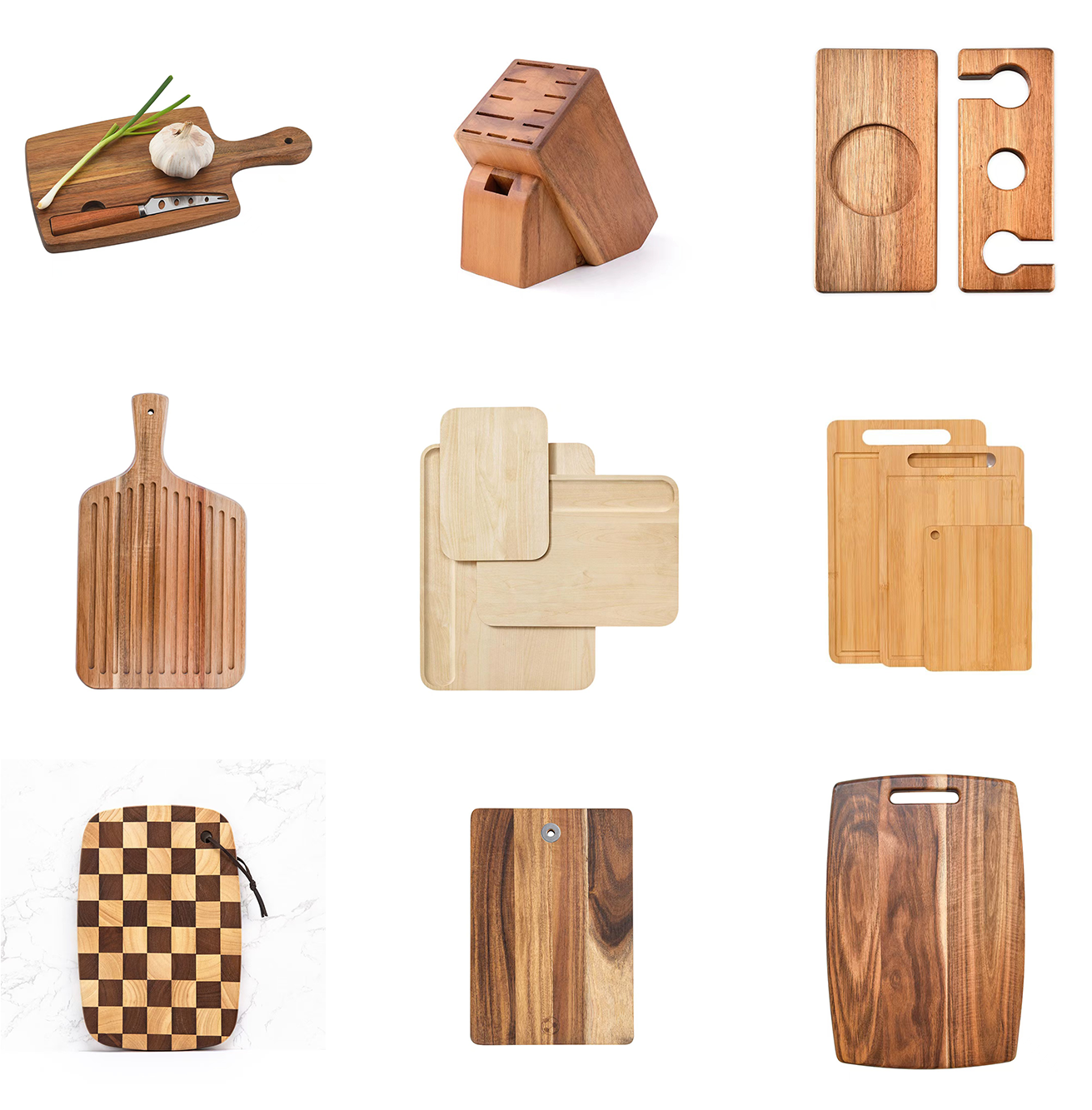
Wooden Cutting Boards
Wooden boards need to stay dry and aired out. Storing them in damp places can cause warping and mold. Keep them standing or flat in a dry spot.
- Store upright to air both sides
- Keep away from direct sunlight
- Do not stack with wet boards
- Apply mineral oil regularly
Plastic Cutting Boards
Plastic boards are easy to clean and can handle moisture well. Store them flat or hang them to dry after washing. Avoid stacking them tightly to prevent scratches.
| Storage Method | Why |
| Flat on shelf | Prevents warping |
| Hanging by hole | Allows air drying |
| Separate from knives | Avoids cuts and damage |
Bamboo And Composite Boards
Bamboo and composite boards are strong but need care like wood. Store them in dry places. Avoid soaking or leaving them in water to keep their shape.
Tips for bamboo and composite boards:
- Keep dry and clean
- Store flat or upright
- Use food-safe oil if needed
- Avoid extreme heat or cold
Credit: www.justwoodencuttingboard.com
Frequently Asked Questions
How Do You Properly Store A Cutting Board?
To store a cutting board, first clean and dry it thoroughly. Then, place it upright in a rack or on its edge in a cabinet. Avoid stacking to prevent moisture buildup, which can cause warping or mold. This ensures longevity and hygiene for your cutting board.
Can I Hang My Cutting Board?
Yes, you can hang your cutting board. Use a sturdy hook or a wall-mounted rack. Ensure the board is completely dry before hanging. Hanging saves space and allows air circulation, preventing moisture buildup. It also adds a decorative touch to your kitchen.
Is It Safe To Store Cutting Boards In Drawers?
Storing cutting boards in drawers is safe if they are clean and dry. Use a rack or dividers to keep them upright. This prevents warping and allows air circulation. Ensure the drawer is dry and free from moisture to maintain the board’s condition.
Should Cutting Boards Be Stored Vertically?
Storing cutting boards vertically is recommended. It promotes air circulation and prevents moisture buildup. This method reduces the risk of warping and mold. Use a rack or divider to keep boards upright and organized, ensuring they remain in good condition for longer.
Conclusion
Storing your cutting board properly keeps it clean and lasts longer. Keep it dry and in a well-ventilated place. Avoid stacking heavy items on top to prevent warping. Regular cleaning and oiling help maintain its quality. A good storage method saves you time and money.
Simple care makes your cutting board safe for food. Follow these tips to enjoy your kitchen tool every day. Easy steps, great results.