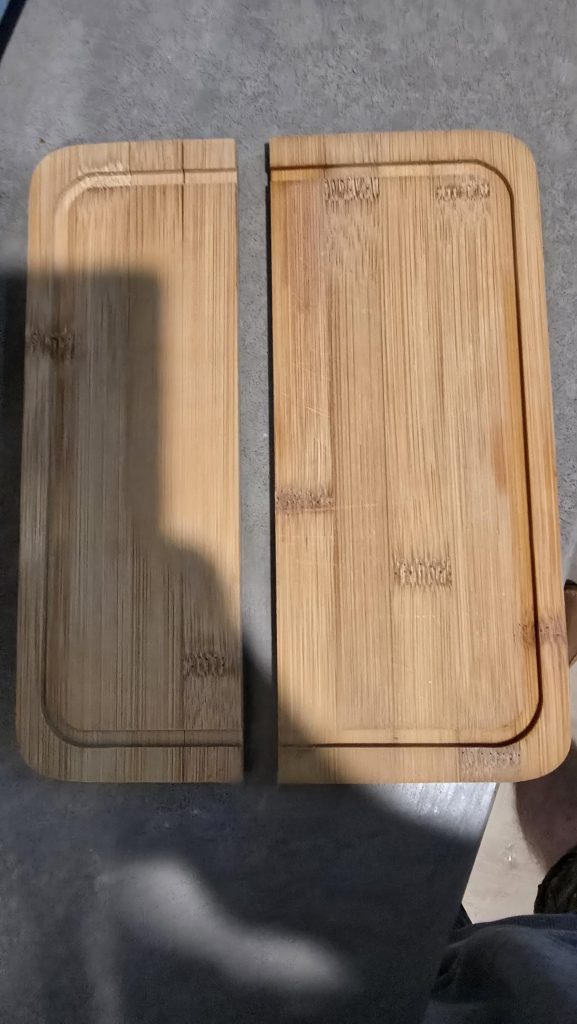
Are you wondering if your wooden cutting board can survive a trip through the dishwasher? You’re not alone.
Many people ask this because it seems like the easiest way to clean and sanitize. But before you toss your board in, you should know what really happens to wood under those hot, wet conditions. Understanding this can save your favorite kitchen tool from damage and keep it safe for your food.
Keep reading to discover the truth about wood cutting boards and dishwashers—and learn the best way to keep your board clean and long-lasting.
Why Dishwasher Use Matters
Wood cutting boards add beauty to any kitchen. They need care to last long. Using a dishwasher might seem easy. But it can cause problems for the wood.
Understanding how dishwashers affect wood helps you keep your board safe. It also keeps it clean and healthy for food preparation.
Impact On Wood Integrity
Dishwashers use high heat and strong water pressure. These can harm wood cutting boards in many ways.
- Heat may cause the wood to dry out and crack.
- Strong water flow can separate the wood grain or cause warping.
- Harsh dishwasher detergents can strip away natural oils in the wood.
- Repeated dishwasher use shortens the board’s lifespan.
Hygiene Considerations
Cleaning wood cutting boards well is important for food safety. Dishwashers clean with hot water and detergent, killing many germs.
| Cleaning Method | Effectiveness | Risk to Wood |
| Dishwasher | High germ removal | High damage risk |
| Hand wash with soap | Good germ removal | Low damage risk |
| Sanitizing with vinegar or bleach | Very good germ removal | Moderate damage risk |
Wood Types And Durability
Wood cutting boards come in different types of wood. Each type has its own durability and care needs.
Understanding the wood type helps you know if the board can go in the dishwasher safely.
Hardwood Vs Softwood Boards
Hardwood boards come from trees like maple and oak. These woods are dense and strong. Softwood boards come from trees like pine. They are less dense and softer.
- Hardwood boards resist cuts and dents better.
- Softwood boards can get damaged more easily.
- Hardwood is less porous, so it absorbs less water.
- Softwood can soak up moisture and germs more easily.
- Hardwood boards last longer with proper care.
Effect Of Moisture And Heat
| Factor | Effect on Wood Cutting Boards |
| Dishwasher Heat | Can warp or crack wood boards. |
| Water Exposure | Leads to swelling and splitting, especially in softwood. |
| Drying Speed | Fast drying can cause cracks; slow drying may cause mold. |
| Wood Type | Hardwoods handle moisture better than softwoods. |
Dishwashers use hot water and steam. These can harm wood boards by causing cracks or warping. Moisture can make the wood swell. After washing, boards must dry slowly.
Risks Of Dishwashing Wood Boards
Wood cutting boards look great and work well in the kitchen. Many people wonder if they can clean them in the dishwasher. Using a dishwasher can cause problems for wood boards.
Wood is a natural material that needs special care. Putting it in the dishwasher can damage the board and make it less safe to use.
Warping And Cracking
Dishwashers use hot water and strong sprays. This heat and water can make wood boards change shape. The boards may warp, which means they bend or twist.
Drying in the dishwasher is very fast. This quick drying causes the wood to crack. Cracks can trap bacteria and make the board unsafe.
Loss Of Natural Oils
Wood boards have natural oils that keep the wood strong. These oils stop the wood from drying out and breaking. The dishwasher removes these oils.
Without natural oils, the wood becomes dry and weak. The board loses its smooth surface. This makes it easier to get stains and smells.

Credit: www.reddit.com
Safe Cleaning Alternatives
Wood cutting boards should not go in the dishwasher. The heat and water can damage the wood. This causes cracks and warping.
Using safe cleaning methods helps keep your board clean and long-lasting. Hand washing and proper drying are the best options.
Hand Washing Techniques
Wash your wood cutting board with warm water and mild soap. Use a soft sponge or cloth to clean the surface gently.
Avoid soaking the board in water. This can make the wood swell and crack over time.
- Rinse well to remove all soap.
- Use vinegar or lemon juice to disinfect naturally.
- Scrub with coarse salt for tough stains.
Proper Drying Methods
Dry your wood cutting board right after washing. Use a clean towel to remove extra water.
Let the board air dry standing up or on a rack. This stops moisture from being trapped under it.
- Do not leave the board flat on a wet surface.
- Avoid direct sunlight to prevent warping.
- Store in a dry place with good air flow.
Maintaining Wood Boards
Wood cutting boards need special care to last long and stay safe. Proper maintenance keeps the wood strong and clean.
Using the right methods helps prevent cracks and warping. Here are tips to keep wood boards in good shape.
Oiling And Conditioning Tips
Oiling your wood board protects it from moisture and drying out. Use food-safe mineral oil or board conditioner for best results.
- Apply oil evenly across the surface with a clean cloth.
- Let the oil soak in for a few hours or overnight.
- Wipe off any extra oil before use.
- Condition the board once a month or when it looks dry.
Regular Inspection For Damage
Check your wood board often for cracks, deep cuts, or warping. These can harbor bacteria and reduce the board’s lifespan.
| Damage Type | Signs to Look For | Action to Take |
| Cracks | Visible splits or gaps | Sand down or replace board |
| Deep Cuts | Grooves that trap food | Sand smooth or discard board |
| Warping | Uneven or bent surface | Do not soak; dry flat or replace |

Credit: www.amazon.com
When To Replace Wood Boards
Wood cutting boards can last a long time with care. It is important to know when to replace them. Old boards can cause problems in the kitchen.
Check your wood boards often. Look for signs that show they are no longer safe or useful.
Signs Of Wear And Tear
Wood boards get scratches and cracks after use. Deep cuts can trap food and bacteria. Warped or split boards are hard to clean.
- Large cracks or splits
- Deep cuts or grooves
- Warping or bending
- Rough or splintered surface
If your board looks very worn or damaged, it is time to replace it. This helps keep food safe and your kitchen clean.
Health And Safety Concerns
Old wood boards can grow bacteria. Cracks and cuts hold germs that cause illness. Cleaning becomes harder as boards age.
- Bacteria build-up in cracks and cuts
- Cross-contamination risks
- Hard to clean and dry properly
- Possible mold growth
Replace boards that show signs of bacteria or mold. This protects your health and keeps your kitchen safe.

Credit: www.amazon.com
Frequently Asked Questions
Can Wood Cutting Boards Be Washed In A Dishwasher?
No, wood cutting boards should not be placed in a dishwasher. The high heat and moisture can cause warping and cracking. Additionally, the harsh detergents can damage the wood’s surface, making it more susceptible to bacteria. Instead, hand wash your wooden boards with mild soap and water.
How Do You Clean A Wood Cutting Board?
Clean a wood cutting board by hand with mild soap and warm water. Use a soft sponge or cloth to scrub the surface gently. Rinse thoroughly and dry immediately with a towel. Avoid soaking the board, as excess moisture can damage the wood over time.
Why Avoid Dishwashers For Wood Cutting Boards?
Dishwashers expose wood cutting boards to excessive heat and moisture. This can lead to warping, splitting, and damage over time. The harsh detergents used in dishwashers can also degrade the board’s surface. Always opt for hand washing to maintain the board’s integrity and longevity.
What Are The Risks Of Dishwashing Wooden Boards?
Dishwashing wooden boards can cause warping, cracking, and splitting. The high temperatures and moisture levels in dishwashers damage the wood. Also, dishwashing detergents can strip the board’s natural oils, leading to a dry, brittle surface. Hand washing is the safest cleaning method for wooden boards.
Conclusion
Wood cutting boards should not go in the dishwasher. The heat and water can cause the wood to crack and warp. Hand washing with mild soap and warm water works best. Dry the board quickly to keep it safe and clean.
Regular oiling helps the wood last longer. Taking care this way keeps your cutting board strong. It also keeps food safe and fresh. Simple steps make a big difference in board care. Choose the right cleaning method for your wooden board.
Keep your kitchen tools healthy and ready to use.