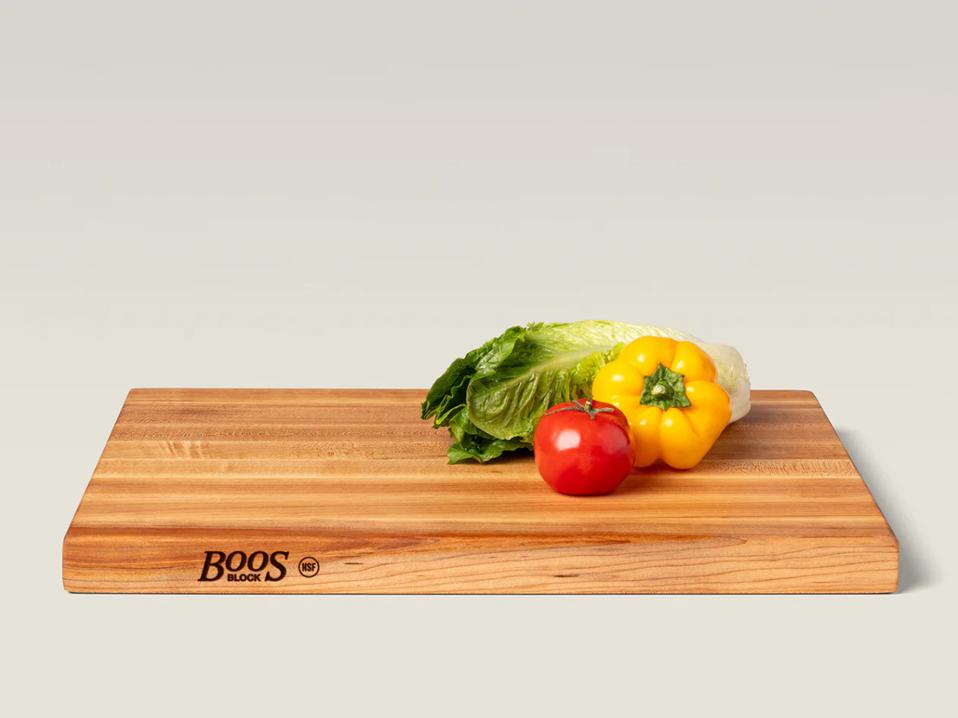
Are you tired of cutting boards that dull your knives or harbor bacteria? Choosing the best wooden cutting board can change the way you cook every day.
It’s not just about looks—your cutting board affects food safety, knife sharpness, and even the flavor of your meals. You’ll discover exactly what makes a wooden cutting board stand out and how to pick the perfect one for your kitchen.
Keep reading to find the secret to a cutting board that works as hard as you do.

Credit: woodforchef.com
Why Choose Wooden Cutting Boards
Wooden cutting boards are a popular choice in many kitchens. They offer unique benefits that other materials do not provide.
Choosing a wooden board can improve your cooking experience and help keep your knives sharp and clean.
Benefits Over Other Materials
Wooden boards are gentle on knives and last a long time with proper care. They also look natural and add warmth to your kitchen.
Compared to plastic or glass, wood is less likely to develop deep cuts where bacteria can grow.
- Durable and long-lasting
- Less damage to knives
- Natural appearance
- Less prone to deep cuts
Impact On Knife Sharpness
Wood is softer than glass or stone, which helps protect knife edges. Your knives stay sharper longer when you use wood boards.
Cutting on hard surfaces can dull blades quickly. Wooden boards reduce this wear and tear on your knives.
- Soft surface protects blade edges
- Reduces blade dulling over time
- Extends the life of your knives
Natural Antibacterial Properties
Wood has natural oils that fight bacteria. These oils help keep your cutting board cleaner than plastic boards.
Studies show bacteria die faster on wooden boards. This makes wood safer for food preparation.
- Natural oils inhibit bacterial growth
- Bacteria die faster on wood
- Wood boards stay cleaner with regular care

Credit: www.amazon.com
Key Features Of Durable Wooden Boards
Wooden cutting boards are a kitchen essential. They must be strong and last a long time. Good boards protect your knives and stay safe for food.
Choosing the right wooden board means looking at wood type, thickness, and care. These features help the board stay useful for years.
Types Of Wood Used
Hardwoods are best for cutting boards. They resist cuts and do not damage knives. Soft woods wear out fast and are less safe.
- Maple: Very hard and common for boards
- Walnut: Dark and strong wood
- Cherry: Smooth and durable
- Teak: Contains natural oils to resist water
- Bamboo: Technically grass, hard and eco-friendly
Board Thickness And Weight
Thicker boards last longer and are more stable. Thin boards may bend or crack easily. Weight shows how solid the board is.
- Thick boards (1.5 to 2 inches) resist warping
- Heavy boards do not slip while cutting
- Light boards are easy to move but less durable
Maintenance And Longevity
Wood boards need care to last. Clean them well and oil regularly. Avoid soaking in water to stop cracking.
- Hand wash with mild soap
- Dry immediately after washing
- Apply mineral oil to keep wood moist
- Sand surface if deep cuts appear
- Store in dry place away from heat
Top Wooden Cutting Boards For 2025
Wooden cutting boards remain a favorite choice in kitchens for their durability and style.
Choosing the right board depends on your cooking needs and budget.
Best Overall Pick
The best overall wooden cutting board balances quality, size, and care.
Look for boards made from maple or walnut for their hardness and resistance to knife marks.
Best Budget Option
Affordable wooden boards offer good quality without a high price tag.
- Choose bamboo boards for cost and eco-friendliness
- Check for smooth finishes to protect knives
- Smaller sizes work well for limited spaces
Best For Heavy-duty Use
Heavy-duty cutting boards are thick and sturdy, made for tough kitchen tasks.
| Feature | Heavy-Duty Board |
| Material | End-grain maple |
| Thickness | 1.5 inches or more |
| Weight | Heavy for stability |
| Care | Oil regularly to prevent cracking |
Best For Easy Maintenance
Boards that clean easily save time and keep your kitchen hygienic.
- Look for sealed or treated wood surfaces
- Avoid boards that absorb water quickly
- Choose boards that dry fast to prevent mold
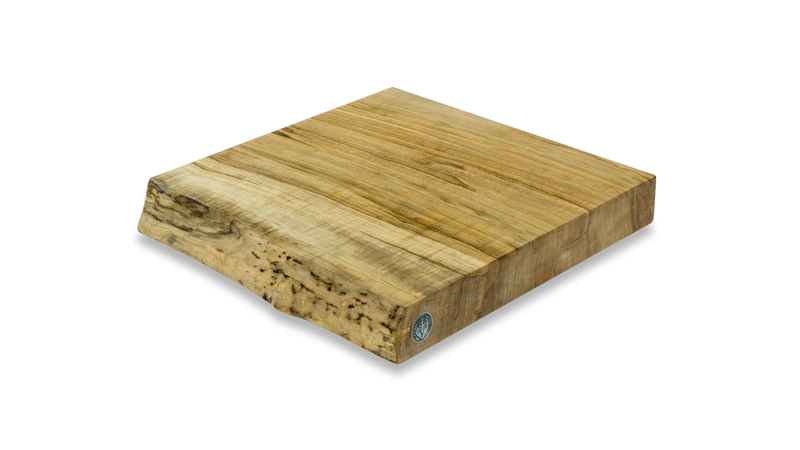
Credit: www.createdhardwood.com
How To Care For Your Wooden Cutting Board
Wooden cutting boards last longer with the right care. They stay clean and safe for food. Learning simple care tips helps protect the wood and keep it looking good.
Proper cleaning, oiling, and avoiding damage keep your board in top shape. This guide covers easy ways to care for your wooden cutting board every day.
Cleaning Tips
Clean your wooden board after each use. Use warm water and mild soap. Avoid soaking it in water to prevent warping or cracking. Dry it with a clean towel right away.
- Rinse with warm water and mild soap
- Scrub gently with a soft sponge
- Do not soak or put in dishwasher
- Wipe dry immediately after washing
- Use lemon and salt to remove stains and odors
Oiling And Conditioning
Oiling your cutting board keeps the wood from drying out. It helps prevent cracks and stains. Use food-safe mineral oil or a special cutting board oil. Apply oil once a month or when the board looks dry.
| Oil Type | Benefits |
| Mineral Oil | Safe, easy to apply, protects wood |
| Beeswax Conditioner | Adds extra moisture, seals surface |
| Coconut Oil (Refined) | Natural, resists bacteria but use refined to avoid rancidity |
Avoiding Common Damages
Wood boards can get damaged by heat, moisture, and sharp knives. Avoid placing hot pots or pans on the board. Do not leave it wet for long. Cut gently and avoid deep cuts.
Tips to avoid damage:
- Keep board away from direct heat
- Dry board completely before storing
- Use separate boards for meat and vegetables
- Sand out deep cuts if needed
- Store board standing up to air dry
Comparing Wooden Boards With Alternatives
Choosing the best cutting board is important for your kitchen. Wooden boards are popular, but there are other options too. Each type has its own benefits and drawbacks.
This guide looks at how wooden cutting boards compare to plastic, bamboo, glass, and composite boards. It can help you pick the right board for your needs.
Plastic Vs. Wood
Plastic cutting boards are lightweight and easy to clean. They do not absorb liquids, so they resist stains and odors well. They are often dishwasher safe.
Wooden boards are durable and gentle on knives. They can self-heal small cuts, which reduces bacteria buildup. Wood absorbs some moisture but needs more care to avoid warping.
- Plastic boards are less expensive and dishwasher safe.
- Wood boards last longer with proper care.
- Wood is better at keeping knives sharp.
- Plastic can crack after heavy use.
- Wood requires hand washing and oiling.
Bamboo Vs. Traditional Wood
Bamboo boards are made from grass, not trees. They are eco-friendly and grow fast. Bamboo is harder and less porous than many hardwoods.
Traditional wood boards come from trees like maple or walnut. They are softer than bamboo and absorb more water. They need regular oiling to stay in good shape.
- Bamboo boards are harder and resist cuts better.
- Traditional wood boards are easier on knives.
- Bamboo is more sustainable and eco-friendly.
- Wood boards have a classic look and feel.
- Both require oiling to prevent drying out.
Glass And Composite Options
Glass cutting boards are very easy to clean and do not absorb liquids. They resist stains but can dull knives quickly. They can also be slippery and noisy.
Composite boards are made from materials like resin and wood fibers. They are strong and often dishwasher safe. Composite boards can look like wood but are less prone to damage.
- Glass boards are hygienic but hard on knives.
- Composite boards combine durability and easy care.
- Glass is heavy and can break if dropped.
- Composite boards resist warping and cracking.
- Both options need less maintenance than wood.
Frequently Asked Questions
What Makes A Wooden Cutting Board The Best?
A top-quality wooden cutting board is durable, resistant to knife marks, and easy to clean. It should be made from hardwoods like maple or walnut, which are gentle on knives. Proper thickness and end-grain construction also enhance longevity and performance.
These features ensure a reliable and long-lasting kitchen tool.
How Do I Maintain A Wooden Cutting Board?
To maintain a wooden cutting board, wash it with warm, soapy water after each use. Dry it thoroughly to prevent warping. Regularly oil the board with food-safe mineral oil to keep it moisturized and prevent cracks. Avoid soaking it in water or using the dishwasher to extend its life.
Are Wooden Cutting Boards More Sanitary?
Yes, wooden cutting boards can be more sanitary than plastic ones. Wood has natural antibacterial properties that help reduce bacteria. Regular cleaning and maintenance are essential to ensure hygiene. Avoid cross-contamination by using separate boards for raw meat and other foods.
Proper care keeps your wooden board safe and sanitary.
Why Choose Hardwood For Cutting Boards?
Hardwoods like maple, walnut, and cherry are ideal for cutting boards. They are dense and durable, resisting deep cuts and warping. These woods are gentle on knife edges, maintaining their sharpness. Their natural beauty and grain patterns also add an aesthetic appeal to your kitchen.
Conclusion
Choosing the best wooden cutting board depends on your needs and budget. Hardwoods like maple and walnut last long and resist cuts well. A good board stays safe and easy to clean. Regular oiling keeps wood fresh and crack-free. Remember, the right board makes cooking more enjoyable and safe.
Take time to pick one that fits your kitchen. A quality wooden cutting board is a smart choice for any home cook. Simple care can keep it looking great for years. Your kitchen deserves a board that works hard and looks good.