Have you ever wondered if your air conditioner could be putting your home at risk? You rely on it to keep cool and comfortable, but what if it’s secretly causing a dangerous problem?
Carbon monoxide is a silent, deadly gas that can sneak into your living space without you knowing. You’ll discover whether your air conditioner can cause carbon monoxide buildup and what signs you should never ignore. Keep reading to protect yourself and your loved ones from an invisible threat that might be closer than you think.
Air Conditioner Basics
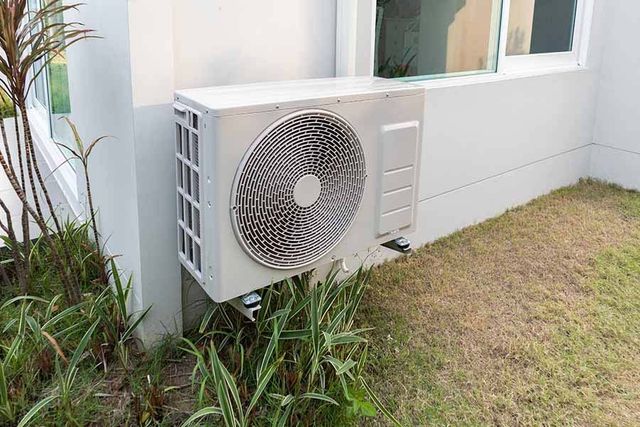
An air conditioner cools indoor air by removing heat and moisture. It uses a refrigerant that changes from liquid to gas and back. This cycle absorbs heat from inside and releases it outside.
There are several types of air conditioning systems:
- Central Air Conditioners:Cool entire buildings using ducts.
- Window Units:Small, self-contained units for single rooms.
- Split Systems:Have indoor and outdoor parts to cool specific areas.
- Portable ACs:Moveable units that cool small spaces.
Air conditioners do not burn fuel. They do not produce carbon monoxide. Carbon monoxide comes from fuel-burning appliances like heaters and stoves, not air conditioners.
Credit: www.carrier.com
Carbon Monoxide Sources
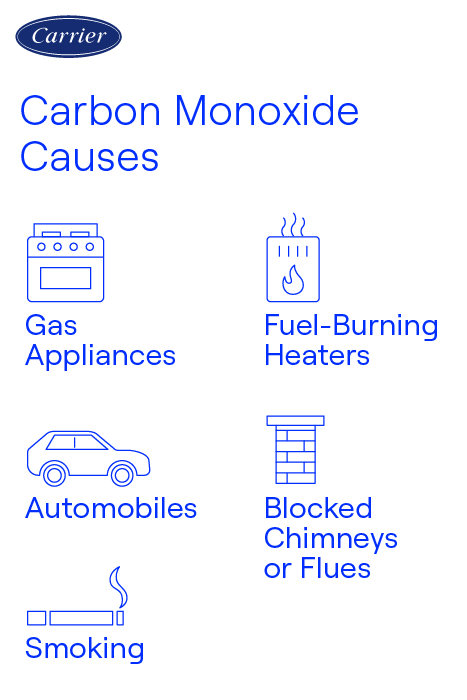
Carbon monoxideis a colorless, odorless gas that can be very dangerous. It is produced by burning fuelslike gas, oil, wood, or coal. Common household sources include:
- Gas heatersand furnaces
- Wood stovesand fireplaces
- Gas or charcoal grillsused indoors
- Car enginesin attached garages
Air conditioners do not burn fuel and do not create carbon monoxide. The main risk comes from fuel-burning appliancesthat may have blocked ventsor poor maintenance.
Regular checks and good ventilation help keep homes safe from carbon monoxide.
Air Conditioners And Carbon Monoxide Risks
An air conditioner itself does not produce carbon monoxide (CO). It runs on electricity and cools air by removing heat. There is no combustionprocess in standard AC units, so no CO is made directly.
Carbon monoxide can enter a home if there is a nearby sourceof burning fuel, like a gas heater or a car running in a closed garage. The AC system might bring that CO inside if it circulates outside air. This is an indirect exposurerisk.
- Gas appliances near the AC can release CO.
- Blocked vents may cause CO buildup.
- Poor home ventilation increases CO risk.
- AC systems with fresh air intake can spread CO indoors.
Credit: www.carrier.com
Signs Of Carbon Monoxide Exposure
Symptoms of carbon monoxide exposureare often subtle and easy to miss. Common signs include headache, dizziness, nausea, and fatigue. People might also feel confusedor have trouble breathing. These symptoms can worsen with time.
Carbon monoxide is a colorless, odorless gas. It is hard to detect without a device. Install CO detectorsin your home to monitor air quality. Check batteries regularly and replace detectors every 5-7 years.
| Symptom | Description |
|---|---|
| Headache | Persistent, dull pain often felt in the forehead |
| Dizziness | Feeling lightheaded or unsteady |
| Nausea | Upset stomach or feeling like vomiting |
| Fatigue | Unusual tiredness or weakness |
| Confusion | Difficulty thinking clearly or concentrating |
Preventing Carbon Monoxide Issues
Regular maintenancekeeps air conditioners safe and efficient. Clean or replace filters every month. Check for gas leaksand worn parts. Ensure vents are clear and unobstructed. Schedule professional inspections yearly to spot hidden issues.
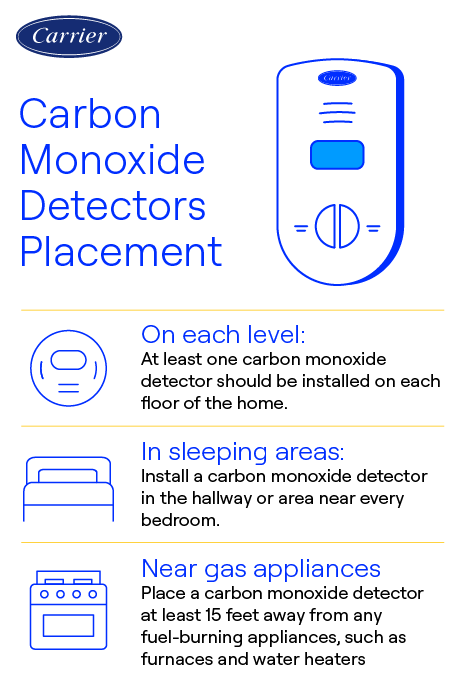
Install carbon monoxide detectorsnear living spaces and bedrooms. Test detectors monthly and change batteries twice a year. These devices alert you to dangerous gas levels early. Keep fire extinguishers handy and know how to use them.
| Maintenance Tips | Safety Devices |
|---|---|
| Clean or replace filters | Carbon monoxide detectors |
| Check for gas leaks | Smoke alarms |
| Clear air vents | Fire extinguishers |
| Annual professional check | Battery replacement schedule |
Credit: www.premiersystemsmt.com
What To Do If You Suspect Co Leak
Leave the house immediatelyif you feel dizzy or weak. Open windows and doors to let fresh air in. Avoid using any flames or electrical switches that may spark. Call emergency servicesfrom a safe place outside.
Turn offthe air conditioner and any fuel-burning appliances. Do not re-enterthe building until it is declared safe by professionals.
- Contact a certified HVAC technician to inspect your air conditioner.
- Call a qualified carbon monoxide detector service to check your home.
- Request a full safety check of all fuel-burning appliances.
- Make sure carbon monoxide alarms are working properly.
Frequently Asked Questions
Can Air Conditioners Emit Carbon Monoxide?
No, air conditioners themselves do not emit carbon monoxide. Carbon monoxide is produced by combustion. Devices like gas stoves, furnaces, and cars are common sources. If your air conditioner is malfunctioning and you suspect carbon monoxide, investigate other potential sources.
Always ensure proper ventilation and regular maintenance of combustion appliances.
How Does Carbon Monoxide Poisoning Occur?
Carbon monoxide poisoning occurs when you inhale excessive carbon monoxide. It binds to hemoglobin in blood, reducing oxygen delivery to organs. Symptoms include headache, dizziness, and nausea. High exposure can be fatal. Ensure proper ventilation and regularly inspect fuel-burning appliances to prevent buildup in enclosed spaces.
What Appliances Produce Carbon Monoxide?
Appliances like gas furnaces, water heaters, stoves, and fireplaces produce carbon monoxide. Vehicles and generators also emit it. They rely on combustion, which produces carbon monoxide as a byproduct. Regular maintenance and proper ventilation are essential to prevent dangerous buildup in enclosed areas.
Can Malfunctioning Appliances Cause Carbon Monoxide?
Yes, malfunctioning appliances can cause carbon monoxide buildup. Poorly maintained or improperly vented appliances like heaters and stoves are common sources. Regular inspections and maintenance are crucial to ensure appliances function safely. If you suspect a malfunction, it’s vital to address it promptly to prevent potential poisoning.
Conclusion
Air conditioners do not produce carbon monoxide gas. Carbon monoxide comes from burning fuels like gas or wood. Still, poor ventilation or faulty heating systems can cause carbon monoxide risks. Regular checks of your home’s heating and cooling systems keep you safe.
Always install carbon monoxide detectors for early warnings. Staying informed helps protect your family’s health. Keep your air conditioner well maintained for fresh, clean air. Safety matters most in every home.