Are you wondering what temperature is best to set your air conditioner? Finding the right setting can save you money, keep you comfortable, and even help the environment.
But with so many opinions out there, it’s easy to feel confused. You’ll discover the ideal temperature that balances comfort and energy efficiency perfectly. Keep reading, and you’ll learn simple tips to make your home cooler without wasting power or breaking the bank.
Your comfort and savings start here.
Ideal Temperature Range
Setting the air conditioner to the right temperaturesaves energy and keeps you comfortable.
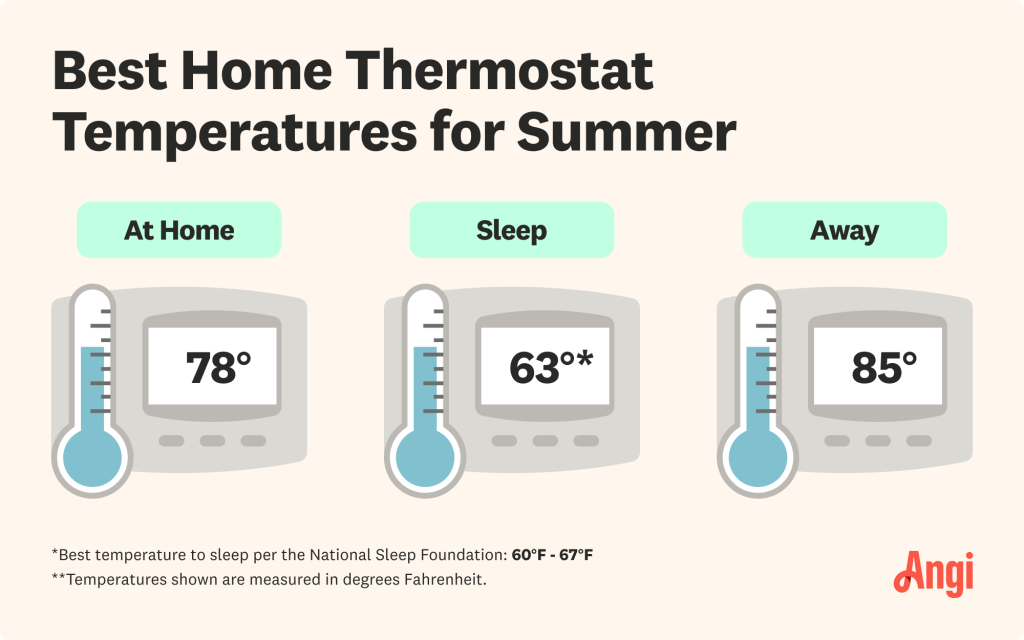
During the daytime, aim for 24-26°C (75-78°F). This range cools the room well without using too much power.
At night, raise the temperature slightly to 26-28°C (78-82°F). This helps save energy and lets you sleep better without feeling cold.
Seasonal changesalso matter. In summer, keep it cooler around 24°C (75°F). In springand fall, you can set it higher, about 26-28°C (78-82°F).
| Time | Ideal Temperature (°C) | Ideal Temperature (°F) |
|---|---|---|
| Daytime | 24 – 26 | 75 – 78 |
| Nighttime | 26 – 28 | 78 – 82 |
| Summer | 24 | 75 |
| Spring/Fall | 26 – 28 | 78 – 82 |
Energy Efficiency Tips
Setting your air conditioner to around 78°Fsaves energy while keeping you cool. This balance helps lower electricity bills without feeling too warm.
Using a programmable thermostatallows you to change settings based on your daily routine. It cools less when you are away and adjusts before you return. This simple step cuts waste and saves money.
Regular maintenanceis key for efficient cooling. Clean or replace filters every month during heavy use. Check for leaks and keep outdoor units clear of debris. Well-maintained AC units use less energy and last longer.
- Set thermostat to 78°F for comfort and savings.
- Use programmable thermostats to adjust cooling times.
- Clean or replace filters regularly.
- Clear debris around outdoor units.
- Inspect for leaks and fix promptly.
Health And Comfort Factors
Humidity controlis key to feeling comfortable indoors. High humidity can make rooms feel hotter and sticky. Low humidity can dry out skin and eyes. Setting your air conditioner between 72°F and 78°Fhelps keep humidity balanced. This range also limits mold and dust mite growth, which can harm health.
Air quality considerationsare important too. Cooler temperatures reduce dust and allergens in the air. Running the AC with a good filter removes pollen and pet dander. This helps those with allergies or asthma breathe easier.
Impact on sleepis another factor. Cooler rooms between 65°F and 70°Fhelp the body rest better. Too cold or too warm rooms can cause tossing and turning. A steady temperature aids deep, refreshing sleep.

Credit: www.reddit.com
Room And Usage Differences
Bedrooms need cooler temperatures for better sleep. Set the air conditioner around 65-70°F (18-21°C). This range helps the body relax and rest well. Too cold can cause discomfort, so avoid below 65°F.
Living areas require a comfortable setting for daily activities. Aim for 72-78°F (22-26°C). This keeps the space pleasant without using too much energy. Adjust based on how many people are inside.
- Few people:Keep the temperature closer to 78°F.
- More people:Lower the temperature slightly to around 72-74°F.
Change settings when rooms are empty to save energy. Use a timer or smart controls for this. Cooler temperatures work best when rooms are full, warmer when empty.
Smart Cooling Solutions
Smart thermostatshelp keep your home cool and save energy. They learn your schedule and adjust the temperature automatically. You can control them using your phone, making it easy to change settings from anywhere.
Remote control offers convenienceand quick access. You don’t need to be near the air conditioner to change the temperature. This helps keep your home comfortable at all times.
| Feature | Benefit |
|---|---|
| Smart Thermostat | Adjusts temperature based on your routine |
| Remote Control | Change settings from anywhere using a smartphone |
| Home Automation Integration | Works with other devices for better energy use |

Credit: www.healthkart.com
Credit: heatable.co.uk
Frequently Asked Questions
What Is The Ideal Ac Temperature For Sleeping?
The ideal temperature for sleeping is between 60-67°F (15-19°C). This range helps maintain a comfortable and restful sleep. A cooler room aids in lowering body temperature, which is conducive to better sleep quality. Adjust according to personal comfort preferences for optimal rest.
How Does Temperature Affect Ac Efficiency?
Setting your AC to 78°F (25°C) enhances efficiency and saves energy. This temperature balances comfort and energy consumption. A higher temperature setting reduces the workload on your air conditioner, extending its lifespan and reducing electricity bills. Adjust based on outdoor temperatures for best results.
What Temperature Is Best For Energy Savings?
For maximum energy savings, set your AC to 78°F (25°C). This setting maintains comfort while minimizing energy use. During hotter months, increase the temperature slightly to relieve pressure on your AC. Using fans in conjunction with your AC can further enhance cooling efficiency.
Can Low Temperatures Harm An Air Conditioner?
Running your AC at very low temperatures can strain the system. It can cause it to freeze or malfunction. Maintaining a moderate temperature, around 72-78°F (22-25°C), ensures optimal performance. Regular maintenance and cleaning of filters also help in maintaining the unit’s efficiency and longevity.
Conclusion
Setting your air conditioner to the right temperature saves energy and money. Aim for around 78°F (25-26°C) during summer. This keeps your home cool without using too much power. Lower settings can make your bills higher and waste energy. Remember to adjust the temperature when you are not home.
A smart thermostat helps keep this easy. Stay comfortable and save by choosing the best AC temperature. Small changes make a big difference in comfort and cost. Try these tips for a cooler, smarter home.