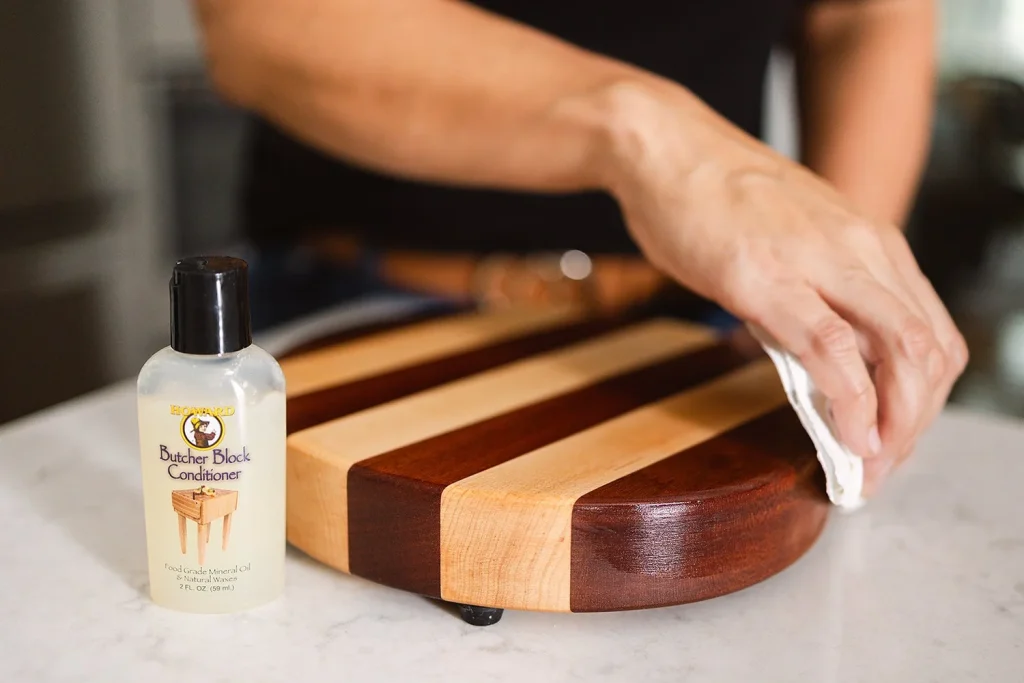
Your cutting board works hard every day, chopping, slicing, and dicing your favorite foods. But did you know that without proper care, it can dry out, crack, or even harbor bacteria?
Applying mineral oil is one of the easiest and most effective ways to keep your cutting board looking fresh and lasting longer. If you want to protect your board and make food prep safer and more enjoyable, you’re in the right place.
Keep reading to discover exactly how to apply mineral oil to your cutting board the right way—your kitchen will thank you!
Choosing The Right Mineral Oil
Mineral oil keeps your cutting board safe and smooth. It stops wood from drying and cracking.
Choosing the right mineral oil is key for a healthy and long-lasting board.
Food-grade Vs. Non-food-grade
Food-grade mineral oil is safe for surfaces that touch food. Non-food-grade oil may contain harmful chemicals.
- Food-grade oil meets health and safety standards.
- Non-food-grade oil is for industrial use only.
- Food-grade oil does not have strong odors or colors.
- Non-food-grade oil can cause contamination.
Benefits Of Pure Mineral Oil
Pure mineral oil keeps your board moisturized without adding harmful ingredients.
| Benefit | Description |
| Non-toxic | Safe for food contact and family use |
| Odorless | Does not change the smell of your cutting board |
| Colorless | Keeps the natural look of the wood |
| Long-lasting | Protects wood for many uses |
Avoiding Synthetic Alternatives
Synthetic oils or waxes may seem cheaper but can damage your board.
- Synthetic products can contain harmful chemicals.
- They may create sticky or oily surfaces.
- Synthetic oils do not soak into wood well.
- They can cause food safety issues over time.

Credit: www.amazon.ca
Preparing Your Cutting Board
Applying mineral oil keeps your cutting board safe and lasts longer. Before oiling, you must prepare the board properly. This helps the oil soak in well.
Preparing includes cleaning, removing stains, and smoothing rough spots. These steps protect your board and make the oil more effective.
Cleaning And Drying
Start by washing your cutting board with warm water and mild soap. Use a sponge or cloth to remove dirt and food residue.
Rinse the board well to remove all soap. Dry it completely with a clean towel. Let it air dry standing up to avoid moisture buildup.
Removing Stains And Odors
Stains and odors can stay in the wood if you do not clean them well. Use natural products like lemon and salt to get rid of them.
- Sprinkle salt on the board surface.
- Rub half a lemon over the salt for a few minutes.
- Let it sit for 5 minutes before rinsing.
- Dry the board completely before oiling.
Sanding Rough Surfaces
If your cutting board feels rough or has splinters, sanding helps smooth it. Use fine-grit sandpaper for best results.
Sand in the direction of the wood grain. Wipe off dust with a damp cloth. Let the board dry before applying oil.
Applying Mineral Oil Correctly
Mineral oil keeps your cutting board safe and long-lasting. It stops the wood from drying out and cracking.
Applying mineral oil properly helps the board absorb the oil evenly. This protects your cutting board well.
Amount To Use
Use enough mineral oil to cover the entire surface of the cutting board. Too little oil will not protect the wood.
Start with a small amount and add more if the wood soaks it up quickly. Avoid pouring large amounts at once.
Application Techniques
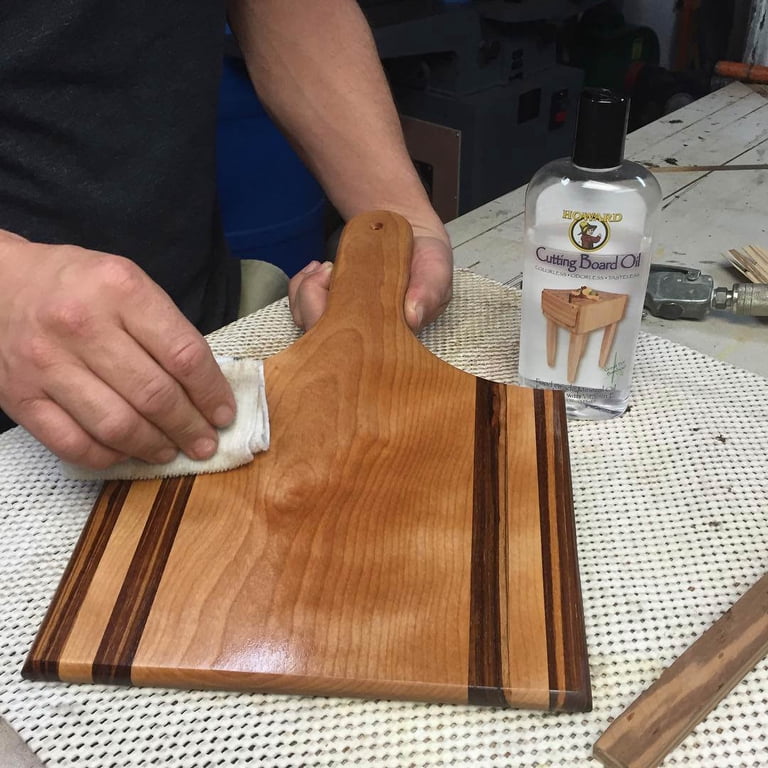
Apply mineral oil with a clean, soft cloth or paper towel. This helps spread the oil evenly on the surface.
- Pour a small amount of oil on the board.
- Rub the oil in circular motions over the entire surface.
- Don’t forget the edges and both sides of the board.
- Use gentle pressure to help oil soak into the wood.
Allowing Oil To Soak
Let the mineral oil soak into the cutting board for several hours. This helps the wood absorb the oil fully.
If possible, leave the board overnight. Wipe off any extra oil before using the board again.

Credit: www.reddit.com
Maintaining Your Oiled Board
Keeping your cutting board well-oiled protects it from cracks and drying out. Regular care helps it last longer and stay safe for food use.
Mineral oil soaks into the wood, creating a barrier against water and stains. Let’s explore how often to oil and how to avoid mistakes.
Frequency Of Oiling
Oiling frequency depends on use and environment. If you use the board daily, oil it once a week. For less use, oil once a month.
- Clean and dry your board before oiling.
- Apply a generous coat of mineral oil evenly.
- Let the oil soak for at least 20 minutes.
- Wipe off any excess oil with a clean cloth.
Signs Your Board Needs More Oil
Watch for these signs to know when to oil your board again. Ignoring them can cause damage and reduce its life.
| Sign | What It Means |
| Wood looks dry | The board is losing moisture and needs oil |
| Water soaks in quickly | Protective oil layer is gone |
| Cracks or splits appear | Wood is damaged from dryness |
| Board feels rough | Surface needs conditioning with oil |
Avoiding Common Mistakes
Some habits can harm your board even if you oil it. Avoid these to keep your board in good shape.
- Do not use vegetable or olive oil; they can go rancid.
- Avoid soaking the board in water; it causes warping.
- Never use harsh detergents; they dry out the wood.
- Do not apply too much oil; excess can make the surface sticky.
- Store the board in a dry, ventilated place to prevent mold.
Additional Tips For Board Care
Applying mineral oil to your cutting board helps keep it safe and clean. There are more ways to protect your board and make it last longer.
These extra tips will help you care for your cutting board better and keep it in good shape.
Using Beeswax For Extra Protection
Beeswax adds a strong barrier on your cutting board. It helps seal the wood and keeps moisture out.
You can mix beeswax with mineral oil for easier use. Warm the beeswax and stir in the oil until smooth.
- Apply the mixture with a soft cloth
- Let it sit for a few hours or overnight
- Buff the board to a soft shine
Storing Your Cutting Board
Store your cutting board in a dry place. Avoid spots with high heat or direct sunlight.
Keep the board upright or flat with good air flow. This stops warping and cracking over time.
- Do not leave the board wet or submerged
- Use a rack or stand to store upright
- Keep away from stoves or heaters
Handling Different Wood Types
Different woods need different care. Softer woods absorb oil faster but can get damaged more easily.
Hardwoods like maple and walnut are strong and last longer. They need regular oiling to stay healthy.
- Soft woods: oil often, use gently
- Hardwoods: oil once a month or as needed
- Avoid very hard woods with cracks or knots
Credit: www.walmart.com
Frequently Asked Questions
How Often Should I Apply Mineral Oil?
Apply mineral oil to your cutting board every 3-4 weeks. This frequency helps maintain the board’s condition and prevents drying. Regular oiling keeps the wood hydrated and prolongs its lifespan. Adjust frequency based on usage and environment. High-use boards may need more frequent applications.
Can I Use Any Mineral Oil For My Board?
Use food-grade mineral oil for your cutting board. It is safe and non-toxic for kitchen use. Avoid using industrial mineral oils, as they may contain harmful additives. Food-grade oil is specifically designed to protect and preserve wooden surfaces used for food preparation.
Why Is Mineral Oil Important For Cutting Boards?
Mineral oil prevents your cutting board from drying and cracking. It hydrates the wood, maintaining its durability and appearance. Regular application creates a protective barrier against moisture. This reduces the risk of warping and bacterial growth, ensuring a safe and long-lasting kitchen tool.
How Do I Apply Mineral Oil Correctly?
To apply, clean and dry the cutting board thoroughly. Pour a small amount of mineral oil onto the board. Use a clean cloth to spread the oil evenly across the surface. Allow the oil to soak in for several hours or overnight.
Wipe off any excess oil before use.
Conclusion
Applying mineral oil to your cutting board keeps it strong and clean. It stops the wood from drying and cracking over time. Regular oiling also helps prevent stains and bad smells. Just follow simple steps to spread the oil evenly.
Let the board soak in the oil before wiping off the extra. Doing this often will make your board last longer. A well-maintained cutting board looks nice and works better. Take a few minutes to care for it. Your kitchen will thank you.