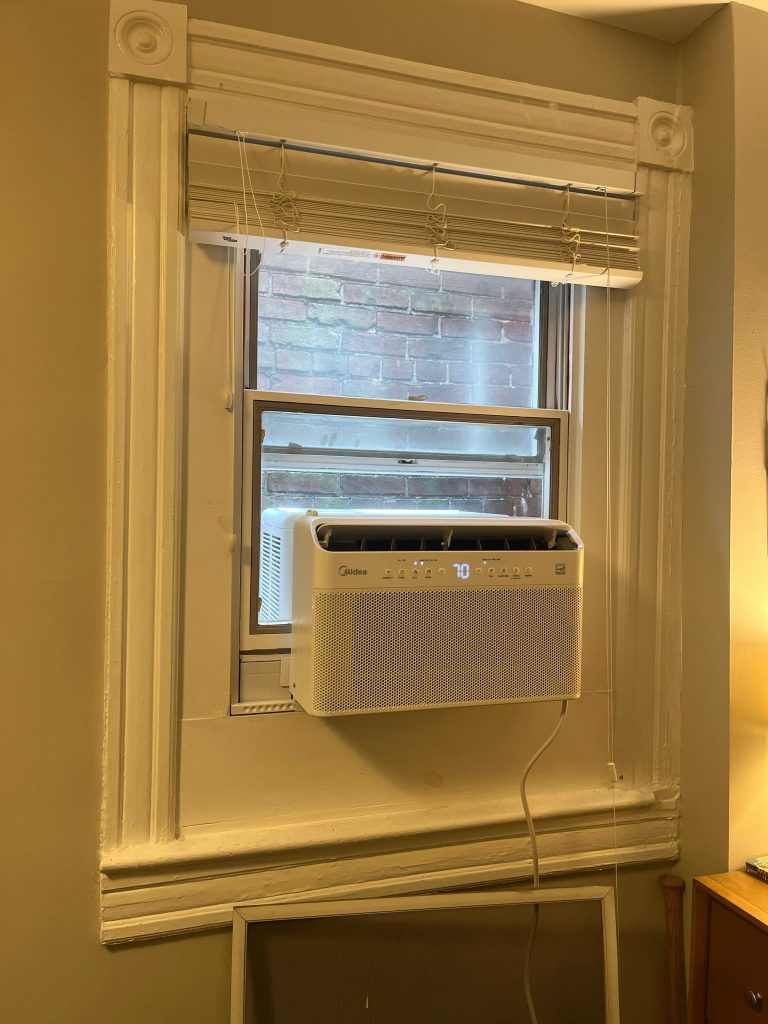
Are you wondering if your window air conditioner should be tilted? It’s a simple question, but the answer can make a big difference in how well your unit works.
If you get this wrong, you might face leaks, poor cooling, or even damage to your AC. You’ll discover why the tilt matters, how to do it right, and what happens if you don’t. Keep reading to make sure your air conditioner runs smoothly and keeps your home cool all summer long.

Credit: northnjhvac.com
Why Tilt Matters
Tilthelps the air conditioner drain water properly. Without the right angle, water can stay inside. This may cause leaksor damageto the unit.
A slight tilt to the outsidelets water flow away. This keeps the unit dry and working well. Too much tilt can make the unit work harder.
Proper tilt also affects cooling. If water builds up inside, the unit may cool less. The fan and coil need to stay dry for best performance.
| Effect | Correct Tilt | Wrong Tilt |
|---|---|---|
| Drainage | Water flows outside | Water pools inside |
| Cooling | Strong and steady | Weak and uneven |
| Unit Life | Longer | Shorter due to damage |
Manufacturer Guidelines
Most window air conditionersneed to be installed level or slightly tilted. Usually, a tilt of 1/4 inchtowards the outside is recommended. This helps drain water properlyand avoid leaks inside the room.
Each brand and model may have different angle guidelines. Always check the manualfor the correct tilt angle. Some units work best perfectly flat, while others need a slight tilt.
| Installation Angle | Purpose |
|---|---|
| Level | Ensure proper air flow and cooling efficiency |
| Slight tilt outward (1/4 inch) | Allows water to drain outside, prevents indoor leaks |
| Too much tilt | May cause water to flow inside and damage unit |
Ignoring the instructions can cause water leaks, poor cooling,or damage to the air conditioner. The unit might freeze upor stop working properly. Safe installation keeps the unit running longerand works efficiently.
Proper Installation Techniques
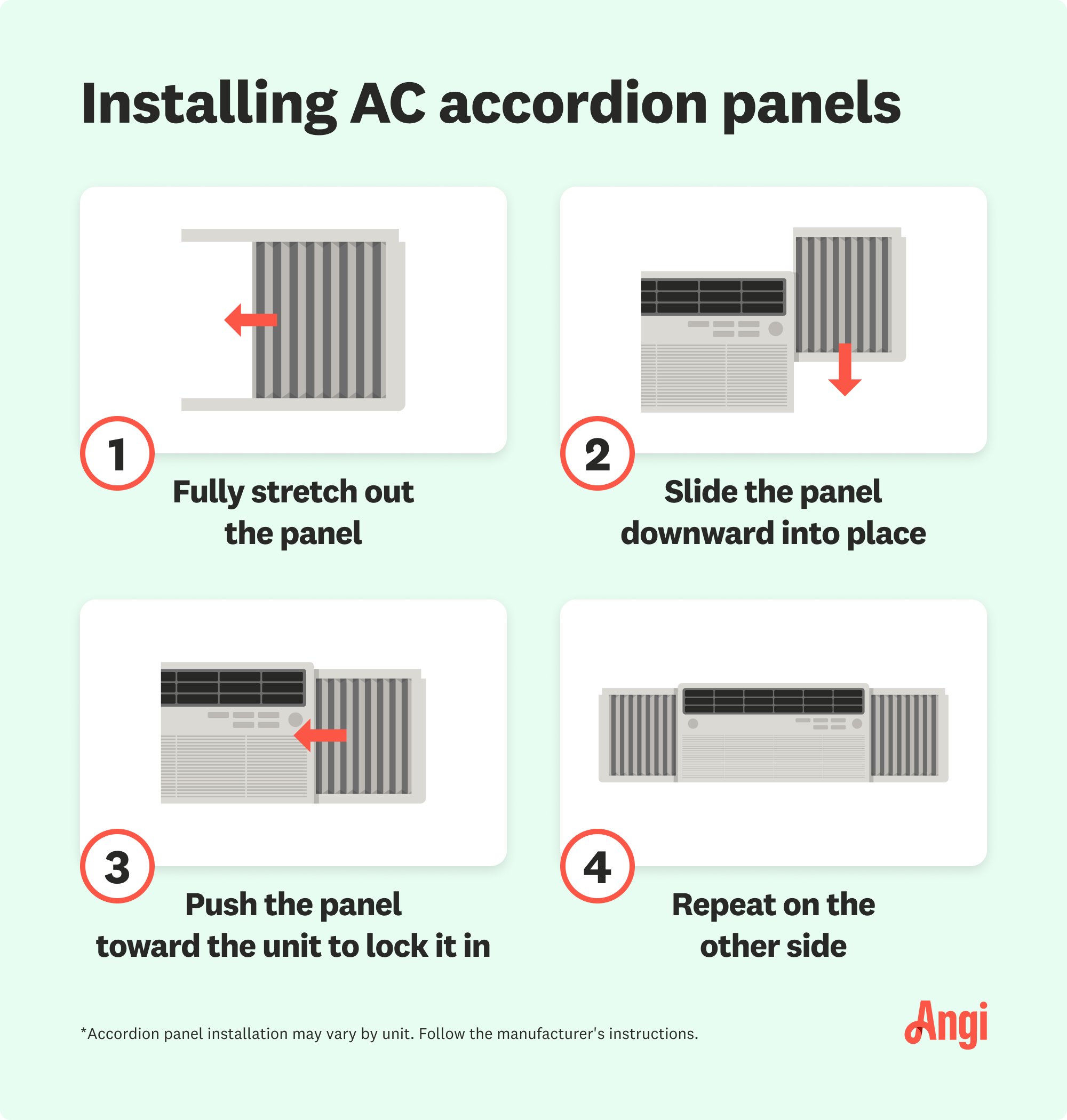
Proper installation of a window air conditioner is key for best performance. The unit should have a slight tilt, usually about 1/4 inchdownward toward the outside. This tilt helps water drain properly and prevents leaks inside. Use a level toolto check the position. The air conditioner must not be flat or tilted inward.
Tools for accurate positioning include:
- Bubble levelto check horizontal tilt.
- Measuring tapeto ensure correct placement in the window frame.
- Shims or wedgesto adjust the angle if needed.
Check the air conditioner placement multiple times during installation. Correct tilt and leveling avoid water damage and improve cooling efficiency.
Credit: www.angi.com
Common Mistakes To Avoid
Over-tiltinga window air conditioner can cause serious problems. Too much tilt may lead to water leaking inside your home. This happens because the drainage systemcannot work properly. The water that collects inside the unit needs to drain out. If the unit is tilted too far, water may flow back inside and cause damage.
Ignoring drainage needsis another common mistake. The air conditioner must be slightly tilted outward, usually about a quarter inch, to help water flow out. Without this, water can pool inside the unit and cause mold or rust. Proper drainage keeps the unit working well and stops water from dripping inside the room.
- Do not tilt the unit too much.
- Ensure a slight outward tilt for drainage.
- Check for water leaks regularly.
- Keep the drainage hole clear of dirt and debris.
Maintenance Tips For Efficiency
Regular cleaning keeps the air conditioner working well. Dust and dirt block airflow and lower cooling power. Check the filters every few weeks and clean or replace them. Clean the outside vents to stop debris buildup. Look for any damage or leaks in the unit.
Water drainage is very important. The unit should be tilted slightly backward to let water flow out easily. Standing water can cause mold and damage. Check the drain pan and pipes for clogs. Clear any blockages to avoid water buildup inside the unit.

Credit: www.reddit.com
Signs Of Improper Tilt
Water leaks and dripsoften happen if the air conditioner is not tilted right. Water can pool inside the unit instead of draining outside. This may cause damage to your walls or floors. It can also lead to mold growth, which is bad for health.
Reduced cooling effectivenessis another sign of poor tilt. The unit may work harder but cool less. Airflow can get blocked if the unit is tilted too much. This wastes energy and increases bills.
- Check for water pooling near the unit
- Look for water stains on walls or floors
- Notice if the room feels warmer than usual
- Listen for unusual sounds from the unit
Frequently Asked Questions
Why Should A Window Ac Be Tilted?
Tilting a window air conditioner ensures proper drainage of condensation. This prevents water from accumulating inside, which can lead to mold growth and damage. A slight tilt towards the outside helps the water to flow out efficiently. Always follow the manufacturer’s instructions for the correct tilt angle.
How Much Tilt Is Required For A Window Ac?
A window air conditioner typically requires a tilt of about 1/4 to 1/2 inch. This slight tilt ensures proper water drainage. Check the manufacturer’s guidelines for the exact tilt requirement for your specific model. Proper installation helps in maintaining the unit’s efficiency and longevity.
Can A Window Ac Work Without Tilting?
Yes, a window AC can work without tilting, but it’s not recommended. Without tilting, water may not drain properly, leading to internal damage. This can reduce the unit’s efficiency and lifespan. To ensure optimal performance, it’s best to install the unit with the recommended tilt.
What Happens If A Window Ac Is Not Tilted?
If a window AC is not tilted, water can accumulate inside. This may cause mold growth, unpleasant odors, and damage to the unit. Proper drainage is essential for the air conditioner’s efficiency and longevity. Ensure your unit is installed with the correct tilt to avoid these issues.
Conclusion
A window air conditioner needs a slight tilt for proper drainage. This tilt helps water flow outside, preventing leaks inside your home. Too much tilt can cause the unit to work harder or leak outside. Always check the manufacturer’s guide for the best angle.
A well-installed AC keeps your room cool and dry. Simple adjustments make a big difference in performance and comfort. Keep your unit level enough to drain, but not so much it strains the system. Proper setup saves you trouble later.