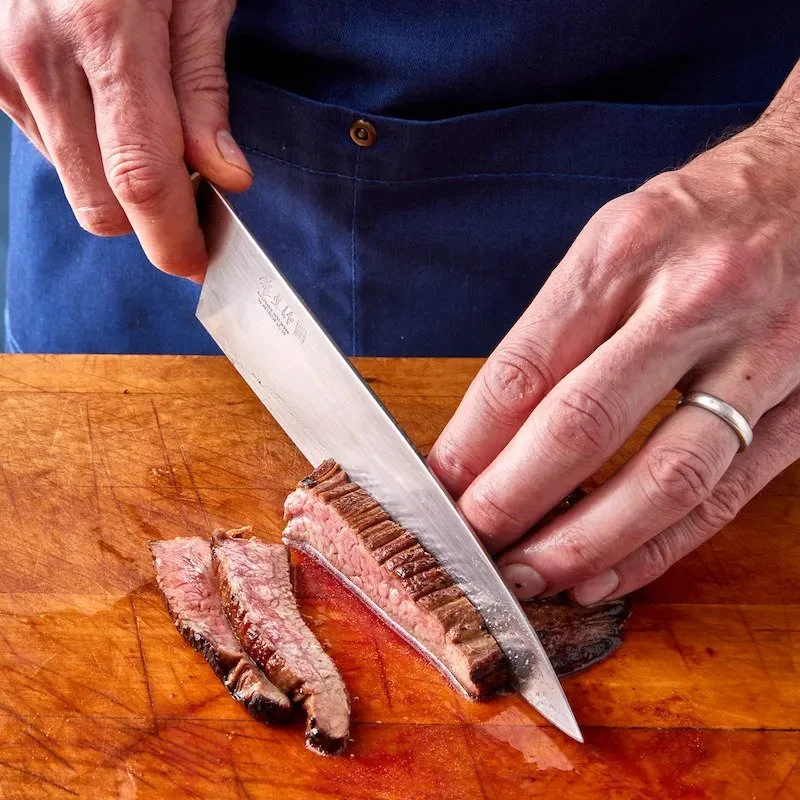
Are you wondering if it’s safe to cut meat on your wooden cutting board? You might have heard mixed advice, and that can leave you confused about what’s best for your kitchen and health.
Using the right surface for cutting meat is more important than you think—it affects cleanliness, taste, and even how long your board lasts. Keep reading to discover the truth about wood cutting boards and meat, so you can make smart choices every time you prepare a meal.
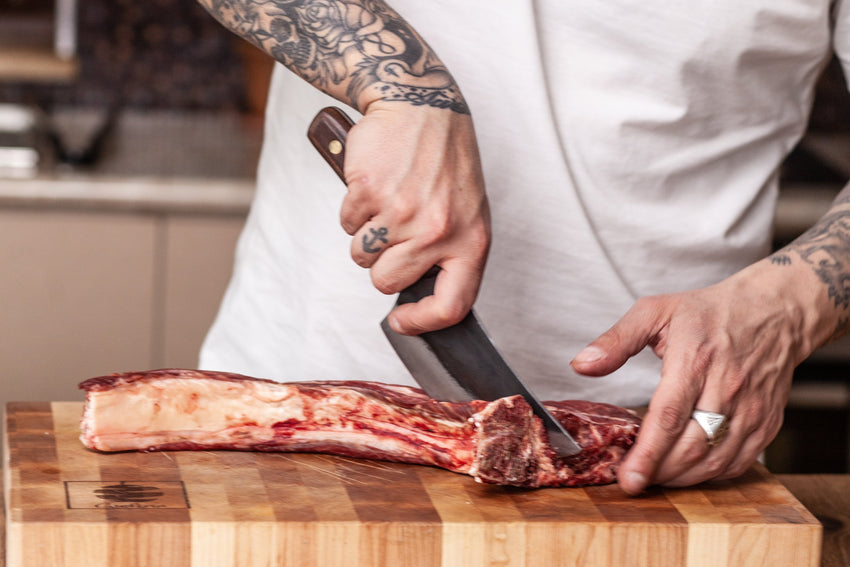
Credit: www.coolinastore.com
Wood Cutting Boards And Meat Safety
Cutting meat on wood boards raises questions about safety. Wood is popular for its look and durability.
It is important to know how wood types and porosity affect bacteria growth. This helps keep food safe.
Types Of Wood Boards
Wood cutting boards come in many types. Hardwoods are common because they last longer and resist cuts.
- Maple: Hard and tight-grained, good for cutting meat.
- Walnut: Durable and less porous, easy to clean.
- Bamboo: Technically a grass, very hard but can be rough on knives.
- Cherry: Softer wood, can dent easier but still safe.
Porosity And Bacteria Growth
Porosity means how many tiny holes the wood has. More pores can trap bacteria.
| Wood Type | Porosity | Bacteria Risk |
| Maple | Low | Low |
| Walnut | Medium | Medium |
| Bamboo | Low | Low |
| Cherry | High | Higher |
Clean your wood board well after cutting meat. Use hot water and soap. Dry it fully.

Credit: www.foodandwine.com
Risks Of Cutting Meat On Wood
Wood cutting boards are popular in many kitchens. They look nice and feel natural. But cutting meat on wood has some risks. These risks can affect food safety.
Understanding these risks helps you decide how to use wood boards safely. It also helps avoid health problems linked to meat preparation.
Cross-contamination Concerns
Cutting meat on wood can cause cross-contamination. Meat juices may soak into the wood. Bacteria can hide in small cuts and cracks.
- Bacteria from raw meat stay in the board’s pores.
- Wood absorbs juices that carry harmful germs.
- Using the same board for vegetables spreads bacteria.
- Cleaning wood boards is harder than plastic ones.
Potential For Foodborne Illness
Harmful bacteria on wood boards can cause foodborne illness. Germs like Salmonella and E. coli grow well in meat juices. If not cleaned well, they infect other foods.
| Bacteria | Source | Health Risk |
|---|---|---|
| Salmonella | Raw poultry, beef | Fever, diarrhea, cramps |
| E. coli | Raw beef, contaminated water | Severe stomach pain, vomiting |
| Campylobacter | Raw chicken | Diarrhea, nausea, fever |
Benefits Of Using Wood Boards
Wood cutting boards are a popular choice in kitchens. They offer many advantages for food preparation.
Using wood boards can improve hygiene and protect your knives. Let’s explore these benefits.
Natural Antibacterial Properties
Wood has natural oils and fibers that help stop bacteria from growing. This makes wood boards safer for cutting meat.
- Wood absorbs moisture and traps bacteria inside its fibers.
- Bacteria die quickly in the wood’s tiny pores.
- Cleaning wood boards is easy with just soap and water.
- Wood does not harbor germs as much as plastic boards.
Durability And Knife Preservation
Wood boards last long and protect your knives from dulling fast. They have a soft surface that keeps blades sharp.
| Feature | Wood Boards | Plastic Boards |
| Durability | High – can last years | Lower – can crack or warp |
| Knife Sharpness | Preserves blades well | Dulls blades faster |
| Maintenance | Requires oiling | Easy to clean but less durable |

Credit: www.wikihow.com
Cleaning And Maintenance Tips
Cutting meat on a wood cutting board is common, but it needs good care. Proper cleaning and maintenance keep the board safe and long-lasting.
This guide helps you clean and care for your wood board after cutting meat. Follow simple steps to avoid germs and damage.
Proper Cleaning Methods
Wash your wood board right after cutting meat. Use warm water and mild dish soap. Avoid soaking the board in water.
Rinse well and dry with a clean towel. Stand the board upright to air dry fully. This stops water from soaking in and causing cracks.
Sanitizing Techniques
Sanitize the board to kill bacteria from raw meat. Use a solution of one part white vinegar to four parts water. Wipe the board with it.
For stronger cleaning, sprinkle coarse salt on the board. Rub it with half a lemon. Let it sit for a few minutes, then rinse and dry.
- White vinegar solution kills germs naturally
- Salt and lemon remove odors and stains
- Avoid bleach as it damages wood
Regular Care To Prevent Damage
Keep your wood board in good shape by oiling it regularly. Use food-safe mineral oil to stop drying and cracking.
Apply oil once a month or when the board looks dry. Rub the oil in with a clean cloth and let it soak overnight. Wipe off extra oil before use.
- Oil protects wood from water damage
- Do not put wood boards in the dishwasher
- Store boards upright in a dry place
Alternatives To Wood Cutting Boards
Wood cutting boards are popular, but some people look for other options. Different materials can fit your needs better.
This guide shows some good alternatives to wood cutting boards. Each has its own benefits and care tips.
Plastic Boards
Plastic cutting boards are light and easy to clean. They do not absorb liquids, so they reduce the risk of bacteria.
- Dishwasher safe for quick cleaning
- Available in bright colors to prevent cross-contamination
- Less durable, can get scratches from knives
- Affordable and widely available
Bamboo And Composite Options
Bamboo boards are a natural choice. They are harder than many wood boards and have a unique look.
| Type | Pros | Cons |
| Bamboo | Eco-friendly, durable | Can dull knives faster |
| Composite | Heat resistant, non-porous | Heavier, sometimes expensive |
Expert Recommendations
Wood cutting boards are popular in kitchens due to their durability and natural look. Many wonder if it’s safe to cut meat on them.
This guide shares expert tips on when to use wood boards and how to prepare meat safely on them.
When To Use Wood Boards
Wood boards work best for cutting fruits, vegetables, and bread. They protect knife blades and add style to your kitchen.
- Use wood boards for dry foods or items that won’t cause heavy contamination.
- Avoid cutting raw meat on wood unless you clean it immediately.
- Reserve separate boards for raw meat and cooked foods to stop germs.
Safe Practices For Meat Preparation
Cutting meat on wood can be safe if you follow strict cleaning and handling rules. Wood has natural antibacterial properties but needs care.
| Practice | Reason |
| Use separate boards for raw meat | Prevents cross-contamination |
| Wash board with hot soapy water | Kills surface bacteria |
| Sanitize with vinegar or diluted bleach | Disinfects deeper layers |
| Dry board completely before storage | Stops bacteria growth |
| Replace boards with deep cuts | Prevents bacteria hiding in grooves |
Frequently Asked Questions
Is It Safe To Cut Meat On Wood?
Yes, cutting meat on a wood cutting board is safe. Wood has natural antibacterial properties that help prevent bacteria buildup. Ensure the board is properly sanitized after each use to maintain hygiene. Regular cleaning with hot soapy water and occasional disinfecting with a vinegar solution is recommended.
Can Wood Cutting Boards Harbor Bacteria?
Wood cutting boards can harbor bacteria if not maintained properly. However, wood naturally combats bacteria due to its porous nature. Regular cleaning and proper drying are crucial to prevent bacteria growth. Using separate boards for meat and vegetables can also reduce cross-contamination risks.
How To Clean Wood Cutting Boards After Meat Use?
After cutting meat, clean the wood board with hot soapy water. Scrub thoroughly to remove any meat residues. Rinse and dry immediately to prevent moisture retention. Occasionally, disinfect with vinegar or a diluted bleach solution for added safety. Always store in a dry place.
Do Wood Cutting Boards Damage Knives?
Wood cutting boards are gentle on knives. They offer a softer surface compared to plastic or glass. This helps in preserving the sharpness of the knife edges. Regular maintenance of both the board and knife can extend their lifespan, ensuring effective and safe cutting.
Conclusion
Wood cutting boards can be safe for cutting meat with care. Always clean the board well after use to stop bacteria. Use separate boards for meat and vegetables to avoid germs mixing. Regular oiling helps keep the wood strong and lasting.
Choosing the right board keeps your kitchen safe and clean. Simple steps make a big difference in food safety. Keep your cutting board fresh and use it wisely. Your kitchen stays healthy when you handle meat properly.