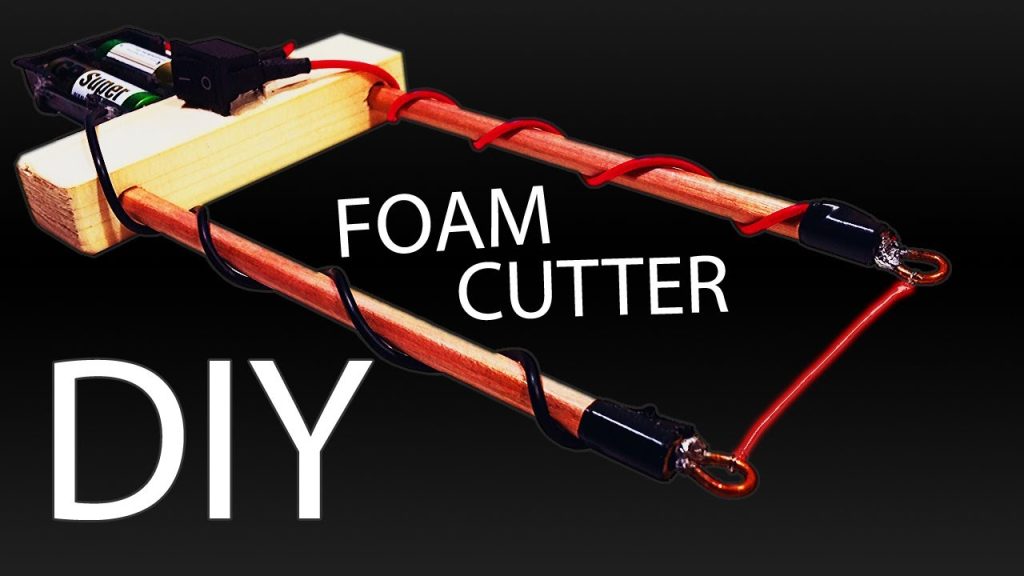
Cutting foam board can be tricky if you don’t have the right tools or technique. But what if you could make clean, smooth cuts quickly and easily?
That’s exactly what a hot knife can do for you. Whether you’re working on a craft project, model, or DIY home decor, knowing how to cut foam board with a hot knife will save you time and frustration. You’ll discover simple steps and tips to master this skill like a pro.
Ready to transform your foam cutting game? Let’s dive in.
Choosing The Right Hot Knife
Cutting foam board with a hot knife makes the process smooth and precise. Picking the right hot knife is very important for good results and safety. This guide helps you understand what to look for.
There are different types of hot knives, each with unique features. You should also know what features matter and how to stay safe when choosing your tool.
Types Of Hot Knives
Hot knives come in various forms. Each type suits different cutting needs. Knowing the types helps you pick the best one for your foam board projects.
- Electric Hot Knife:Uses electricity to heat the blade quickly. Good for straight cuts.
- Butane Hot Knife:Powered by butane gas. Portable and useful where no power outlet is available.
- Wire Hot Knife:Thin wire heats up to cut foam smoothly. Best for detailed shapes.
- Hot Knife with Interchangeable Blades:Allows changing blade shapes for different cutting styles.
Features To Consider
| Feature | Why It Matters | Example |
|---|---|---|
| Temperature Control | Adjust heat for different foam thickness | Variable heat dial |
| Blade Type | Different blades cut different shapes | Straight, curved, wire blades |
| Power Source | Electric for steady use, butane for portability | Plug-in or gas refill |
| Handle Comfort | Reduces hand fatigue during long cuts | Ergonomic grip |
| Heating Time | Faster heating saves time | Heats in under 30 seconds |
Safety Tips For Selection
Safety is key when choosing a hot knife. Pick a model that offers secure use and protects you from burns or accidents.
- Choose knives with insulated handles to avoid heat transfer.
- Look for models with a stable base or stand to rest the knife safely.
- Check if the knife has an automatic shut-off feature to prevent overheating.
- Pick tools with clear instructions for safe operation.
- Avoid cheap models that may lack safety certifications.

Credit: www.wikihow.com
Preparing Your Workspace
Cutting foam board with a hot knife needs a clean and organized space. Preparing your workspace makes the task safer and easier.
Before you start, take time to set up everything you need. This helps you work smoothly and avoid accidents.
Setting Up A Safe Cutting Area
Choose a flat and stable surface for cutting. Make sure it is well-lit and free from clutter.
- Keep children and pets away
- Work in a ventilated room to avoid fumes
- Have a fire extinguisher nearby
- Use a heat-resistant mat under the foam board
Gathering Necessary Tools
Collect all tools before you start cutting. This saves time and reduces distractions.
| Tool | Purpose |
| Hot knife | Cutting foam board cleanly |
| Heat-resistant gloves | Protecting your hands |
| Cutting mat | Protecting work surface |
| Ruler or straight edge | Guiding straight cuts |
| Mask | Protecting from fumes |
| Safety glasses | Protecting your eyes |
Protecting Surfaces And Yourself
Keep your workspace safe by protecting surfaces and your body from heat and fumes.
- Cover tables with a heat-resistant mat
- Wear gloves and safety glasses
- Use a mask to avoid breathing smoke
- Work near an open window or fan
- Dispose of foam scraps safely
Prepping The Foam Board
Preparing your foam board correctly helps you get clean cuts with a hot knife. This stage sets the foundation for smooth shaping and safer work.
Focus on precise measuring, steady securing, and avoiding usual mistakes. These steps keep your project easy and accurate.
Measuring And Marking Cuts
Measure your foam board carefully before cutting. Use a ruler or straight edge to guide your marks.
- Use a pencil or a fine-tip marker for clear lines.
- Mark the cut lines lightly to avoid permanent marks.
- Double-check your measurements to prevent mistakes.
- Mark all cut sections clearly before starting the hot knife.
Securing The Foam Board
Keep the foam board steady to make straight cuts with your hot knife. Moving foam can lead to uneven edges or accidents.
| Method | Tips |
|---|---|
| Clamps | Use quick-release clamps to hold the board firmly on a flat surface. |
| Weighted Objects | Place heavy items on corners to prevent slipping. |
| Non-slip Mat | Set the foam board on a rubber mat for extra grip. |
Avoiding Common Pitfalls
Working with a hot knife has challenges. Avoid these mistakes to keep your cuts clean and safe.
- Do not rush the cut; move the knife slowly and steadily.
- Avoid pressing too hard to prevent melting or rough edges.
- Keep your workspace clean from debris and dust.
- Always wear protective gloves and eye protection.
- Test the hot knife on a scrap piece before cutting your board.

Credit: www.amazon.ca
Cutting Techniques
Cutting foam board with a hot knife makes clean edges fast. It melts the foam rather than crushing it. This method works well for many craft and model projects.
Different cutting styles need different approaches. Here are some tips for straight cuts, curved cuts, and cutting layers.
Straight Cuts
For straight cuts, keep the hot knife steady and move slowly. Use a ruler or straight edge to guide the blade. This helps avoid uneven edges or burns.
- Set the hot knife temperature to medium heat.
- Place the foam board on a flat surface.
- Align a metal ruler along the cutting line.
- Slowly push the hot knife along the ruler edge.
- Let the blade cool slightly before lifting it off.
Curved And Detailed Cuts
Curved cuts need more care to follow shapes smoothly. Use a thinner blade if possible. Take your time and make multiple passes if needed.
- Use a pointed hot knife tip for tight curves.
- Cut slowly to avoid rough edges.
- Practice on scrap foam before cutting your project.
- Keep your hand steady and support the foam board.
Layered Cutting Tips
Cutting foam board in layers saves time and keeps cuts consistent. Stack boards carefully and clamp them if needed. Adjust blade heat for thicker stacks.
| Layer Count | Blade Temperature | Cutting Speed |
| 1 Layer | Medium | Moderate |
| 2-3 Layers | High | Slow |
| 4+ Layers | Very High | Very Slow |
Maintaining The Hot Knife
Keeping your hot knife in good shape helps it cut foam board smoothly. Regular care makes it last longer.
Simple maintenance steps keep your tool safe and working well every time you use it.
Cleaning Tips
Clean the hot knife after each use to remove melted foam. This stops buildup that can harm the blade.
- Unplug and cool the knife before cleaning
- Use a soft cloth or brush to wipe off residue
- Avoid water or harsh chemicals on electrical parts
- Clean the blade gently to avoid damage
Blade Replacement
Replace the blade if it becomes dull or damaged. A sharp blade cuts foam board cleanly and safely.
Follow the tool’s instructions carefully when changing the blade to avoid injury.
- Turn off and unplug the hot knife
- Wait for the blade to cool completely
- Use proper tools to remove the old blade
- Install the new blade securely
- Check the blade fits well before use
Storage Recommendations
Store the hot knife in a dry place to protect it from dust and moisture. Proper storage keeps it ready to use.
A safe storage spot prevents accidents and keeps the blade sharp.
- Let the hot knife cool completely before storing
- Keep it in a case or cover to protect the blade
- Store out of reach of children
- Place it in a dry, clean area

Credit: www.hotwiresystems.com
Troubleshooting Common Issues
Cutting foam board with a hot knife can be tricky. Some problems may happen during the process.
This guide helps you fix common issues like uneven cuts, foam melting problems, and knife overheating.
Uneven Cuts
Uneven cuts happen when the knife moves too fast or at the wrong angle. This can make the edges rough or wavy.
- Move the knife slowly and steadily for smooth cuts.
- Keep the knife perpendicular to the foam board surface.
- Use a straight edge or ruler to guide the knife.
- Make multiple light passes instead of one deep cut.
Foam Melting Problems
Foam may melt too much if the knife is too hot or stays in one spot too long. This can cause bubbles or holes.
| Cause | Fix |
| Knife temperature too high | Lower the heat or use a lower setting |
| Knife stays too long in one spot | Keep the knife moving at steady speed |
| Foam type is sensitive | Test on a scrap piece before cutting |
Knife Overheating
The hot knife may overheat if used too long without breaks. This reduces cutting quality and can damage the knife.
- Turn off the knife every few minutes to let it cool.
- Use a knife with adjustable temperature control.
- Clean the knife blade regularly to avoid buildup.
Frequently Asked Questions
What Is A Hot Knife For Foam Cutting?
A hot knife is a tool used to cut foam boards smoothly. It uses a heated blade to slice through foam without creating mess. This method ensures precise cuts and reduces material waste. It’s ideal for crafting, DIY projects, and professional applications.
How Do You Safely Use A Hot Knife?
To safely use a hot knife, always wear protective gloves and goggles. Ensure your workspace is well-ventilated to avoid inhaling fumes. Keep the hot knife away from flammable materials. Follow the manufacturer’s instructions for operation and maintenance. Always unplug the tool when not in use.
Why Choose A Hot Knife Over Other Tools?
A hot knife offers precise, clean cuts with minimal mess. Unlike saws or cutters, it reduces material waste and saves time. Its heated blade allows for smooth slicing through foam. This makes it ideal for detailed projects and professional finishes.
It’s a preferred choice for many crafters and DIY enthusiasts.
Can You Cut Thick Foam Boards With A Hot Knife?
Yes, a hot knife can cut thick foam boards efficiently. Its heated blade penetrates through dense materials with ease. For best results, ensure the knife is adequately heated and move steadily. This method ensures clean edges and reduces the risk of tearing or uneven cuts.
Conclusion
Cutting foam board with a hot knife is simple and effective. The hot knife melts the foam cleanly, giving smooth edges. Always work slowly and keep your hands steady. Safety matters—wear gloves and work in a well-ventilated space. Practice on scrap pieces to get a feel for the tool.
With care, your foam projects will look neat and professional. This method saves time and effort compared to other cutting tools. Try it out and enjoy easy, precise foam board cuts every time.