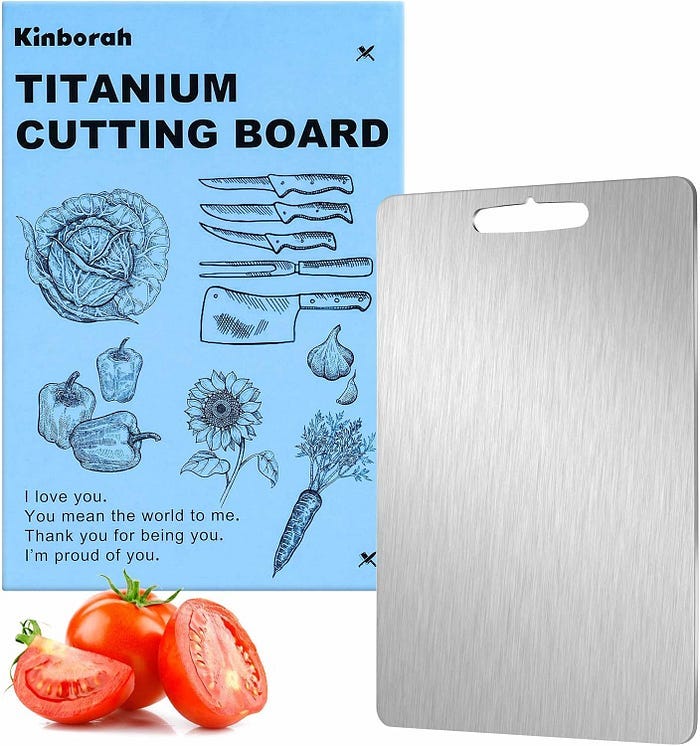
Are you wondering if titanium cutting boards could be tough on your knives? Choosing the right cutting board is more than just a kitchen style choice—it can affect how long your knives stay sharp.
If you want your blades to last and work smoothly, understanding how different materials impact them is key. You’ll discover the truth about titanium cutting boards and whether they protect or wear down your knives. Keep reading to find out what’s best for your kitchen and your blades.
Titanium Cutting Boards Basics
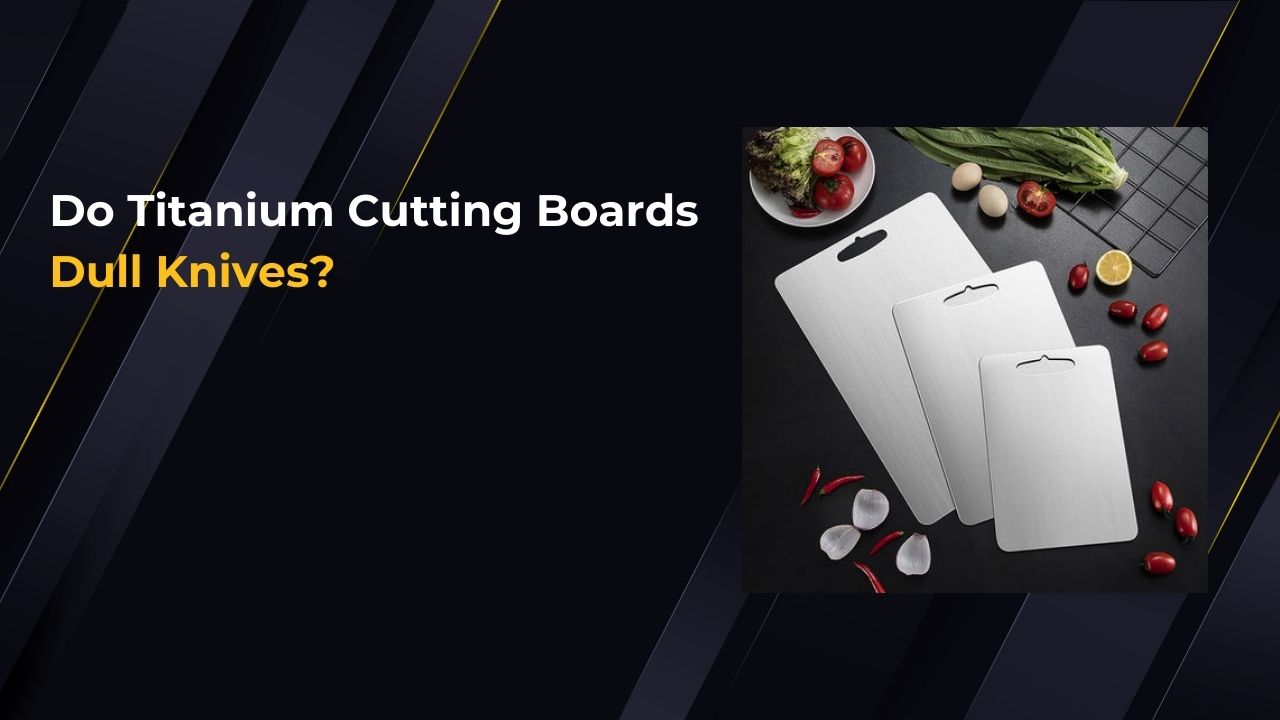
Titanium cutting boards are a unique option for kitchens. They use titanium metal as the main material.
These boards offer a different experience compared to wood or plastic boards. Understanding their features helps in choosing the right board.
Material Properties
Titanium is a strong and light metal. It resists rust and corrosion well.
Titanium cutting boards are hard and smooth. This makes them last a long time. They do not absorb water or food smells.
- Very strong and durable
- Lightweight for easy handling
- Resistant to rust and stains
- Non-porous surface
- Easy to clean
Common Uses In Kitchens
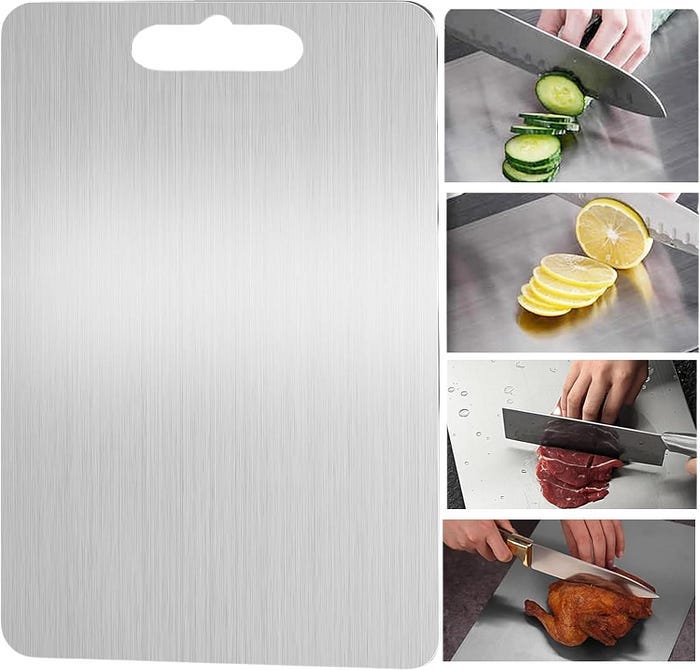
Titanium cutting boards suit kitchens that need tough tools. They work well for heavy chopping tasks.
These boards are useful in places where hygiene is important. Their non-porous surface stops bacteria growth.
- Chopping meats and vegetables
- Use in professional kitchens
- Ideal for outdoor cooking
- Good for cutting fruits without stains
- Easy to sanitize after use
Credit: medium.com
Knife Edge And Cutting Surface
Titanium cutting boards are a unique choice for kitchens. Many wonder if they are hard on knives.
The knife edge meets the cutting surface every time you chop. This contact affects the blade’s sharpness.
How Cutting Boards Affect Knife Sharpness
Cutting boards impact how quickly knives lose their sharpness. Softer surfaces are easier on blades.
Hard surfaces can dull knife edges faster. The knife edge meets resistance and tiny scratches form.
- Soft boards like wood and plastic protect the blade
- Hard boards may cause the blade to chip or dull
- Even cutting technique affects blade wear
Comparing Hardness Levels
Each cutting board material has a different hardness level. Titanium is very hard compared to others.
| Material | Hardness Level | Effect on Knives |
|---|---|---|
| Wood | Soft | Gentle on knife edges |
| Plastic | Medium | Moderate wear on blades |
| Glass | Very Hard | Dulls and chips knives fast |
| Titanium | Very Hard | Can dull knives quickly |
Titanium cutting boards have a hard surface. This hardness can cause knife edges to dull faster than softer boards.
Impact Of Titanium On Knives
Titanium cutting boards are popular for their strength and durability. Many wonder if they harm knives during use. Understanding how titanium affects knife blades helps in choosing the right board.
This article looks at two main points: the potential for blade dulling and resistance to knife marks on titanium boards.
Potential For Blade Dulling
Titanium is a hard metal that can affect knife edges. It may cause faster dulling compared to softer materials like wood or plastic. Knives may lose sharpness quicker if used often on titanium boards.
- Titanium’s hardness can wear down blade edges
- Soft cutting surfaces are gentler on knives
- Regular sharpening is needed with titanium boards
- Blade material also affects dulling speed
Resistance To Knife Marks
Titanium cutting boards resist knife marks very well. They do not show scratches easily, keeping a clean look. This durability is good for long-term use but can make the surface less forgiving on knives.
| Material | Resistance to Knife Marks | Effect on Knife Edges |
|---|---|---|
| Titanium | High resistance | More blade wear |
| Wood | Low resistance | Less blade wear |
| Plastic | Moderate resistance | Moderate blade wear |
User Experiences And Reviews
Titanium cutting boards are a newer option on the market. Many wonder if they are hard on knives. User experiences help us understand the effects on blade sharpness and durability.
We gathered opinions from professional chefs and home cooks. Their feedback shows the real impact of titanium boards on knives during daily use.
Professional Chefs’ Opinions
Many chefs tested titanium cutting boards in busy kitchens. They noted how the boards affected their knives over weeks of use. Some found the boards very tough on edges, while others saw less wear than expected.
- Some chefs said titanium boards can dull knives quickly due to the hard surface.
- Others pointed out the boards resist scratches and dents well, keeping a smooth surface.
- Several chefs recommended using sharp knives and regular honing to reduce edge damage.
- A few mentioned titanium boards are lighter and easier to clean than wood or plastic.
Home Cook Feedback
Home cooks shared how titanium boards worked in their kitchens. Many appreciated the board’s durability but worried about knife sharpness. Some users compared titanium boards to wood and plastic options.
| User Experience | Effect on Knives |
| Frequent chopping | Noticed quicker dulling of blades |
| Light use for fruits and veggies | Minimal edge wear observed |
| Regular knife maintenance | Helped maintain sharpness despite hard surface |
| Comparison with wooden board | Titanium felt harder and less forgiving |
Alternatives To Titanium Boards
Titanium cutting boards are very hard and may dull knives quickly. Many cooks prefer softer surfaces to protect their blades.
There are several good alternatives to titanium boards. These options keep knives sharp and last long in the kitchen.
Wooden Cutting Boards
Wooden boards are gentle on knives and offer natural durability. They absorb knife marks without damaging the blade.
Hardwoods like maple and walnut are popular choices. These woods resist bacteria and last a long time with care.
- Keep wooden boards dry to avoid warping
- Oil boards regularly to maintain the surface
- Use different boards for meat and vegetables to stay clean
Plastic And Composite Options
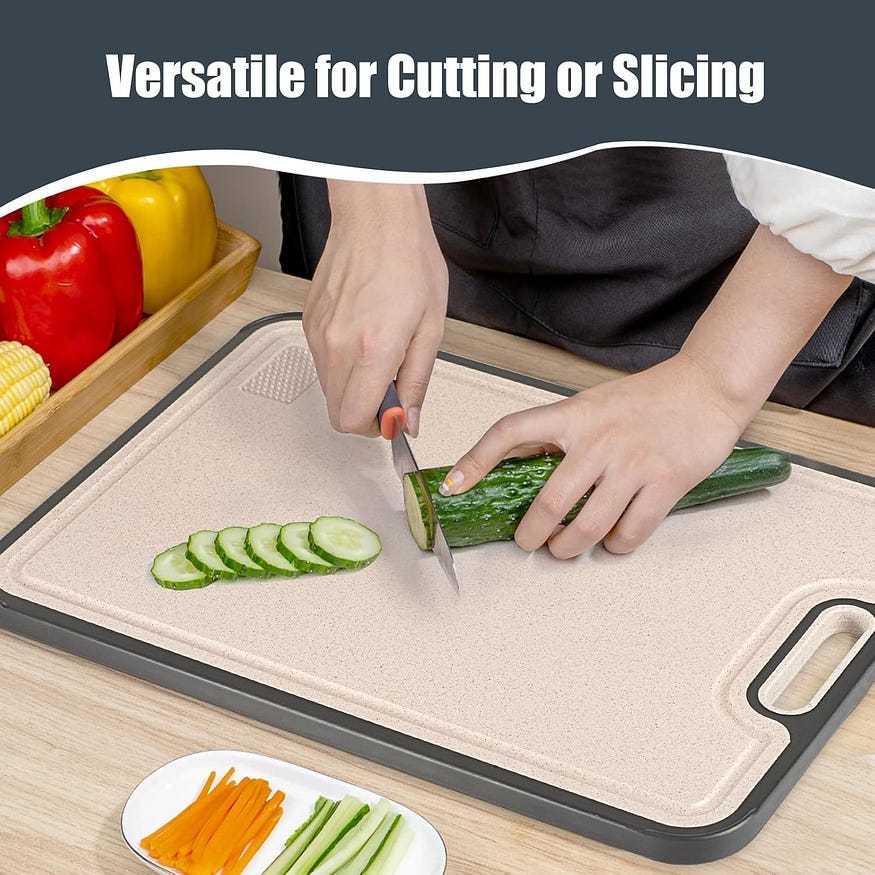
Plastic boards come in many colors and sizes. They are easy to clean and usually safe in dishwashers.
Composite boards mix plastic with wood fibers. These boards are tough but still soft on knife edges.
- Plastic boards can be lightweight and affordable
- Composite boards resist deep cuts and stains
- Both types are less likely to dull knives than titanium
Glass And Ceramic Choices
Glass and ceramic boards look clean and modern. They are easy to wash and do not absorb smells.
These boards can be hard on knives. The hard surface dulls blades faster than wood or plastic.
- Good for cutting fruits and vegetables
- Not recommended for frequent chopping with sharp knives
- Use glass or ceramic boards for serving or light cutting tasks
Credit: medium.com
Maintenance And Longevity
Titanium cutting boards are strong and last a long time. You can keep them in good shape with regular care.
Good maintenance helps protect your knives and keeps the board looking new. It also extends the life of both.
Cleaning Tips For Titanium Boards
Clean your titanium board after each use to stop bacteria and stains. Use warm water and mild soap for best results.
Never use harsh cleaners or steel wool. These can scratch the surface and reduce the board’s life.
- Wash with soft sponge and mild soap
- Rinse well to remove soap residue
- Dry with a soft towel to avoid water spots
- Avoid abrasive cleaners and scrubbers
- Store in a dry place to prevent moisture damage
Extending Knife Life
Titanium boards are gentle on knives compared to harder surfaces like glass. This helps keep knives sharp longer.
Cutting on a titanium board reduces dulling and chipping. Still, use proper cutting techniques to protect blade edges.
- Use a smooth, gentle cutting motion
- Avoid twisting or forcing the knife
- Sharpen knives regularly for best performance
- Clean knives properly after use
- Store knives safely to avoid damage
Credit: vocal.media
Frequently Asked Questions
Do Titanium Cutting Boards Dull Knives?
Titanium cutting boards can be harder on knives compared to wood or plastic. Their rigid surface may dull blades faster. Regular honing and sharpening can mitigate this. For knife longevity, consider using boards with softer materials like bamboo or plastic.
Are Titanium Boards Better Than Wood Ones?
Titanium boards are more durable and hygienic than wood. However, they may dull knives quicker. Wood offers a softer surface, preserving knife edges longer. Consider your priorities: durability and hygiene or knife maintenance.
How Do Titanium Cutting Boards Affect Knife Sharpness?
Titanium boards can wear down knife edges faster due to their hardness. Regular sharpening helps maintain sharpness. Opt for softer boards if preserving knife sharpness is a priority.
What Are The Benefits Of Titanium Cutting Boards?
Titanium cutting boards are durable and resistant to scratches and stains. They are hygienic and easy to clean. However, they might dull knives quicker than softer alternatives like wood or plastic.
Conclusion
Titanium cutting boards do not damage knives easily. They have a hard surface but still protect blade edges. Choosing the right board helps keep knives sharp longer. Regular care of your knives matters most. Use gentle cleaning and proper storage to avoid dullness.
Titanium boards offer durability and good hygiene. They suit many kitchens well. Consider your cooking style before buying one. Sharp knives and good boards work best together. Simple steps keep your knives ready for every meal.