Your cutting board works hard every day, chopping, slicing, and dicing your favorite meals. But have you ever stopped to think about what oil you should use to keep it in top shape?
Choosing the right oil can protect your board from cracking, warping, and bacteria buildup. If you want your cutting board to last longer and stay looking fresh, this guide will help you pick the perfect oil. Keep reading to discover simple tips that make a big difference for your kitchen essential.
Credit: www.homehardware.ca
Why Oil Matters For Cutting Boards
Oiling a cutting board keeps it strong and safe to use. Wood can dry out and crack without oil.
Using the right oil helps maintain the board’s quality and makes it last longer. It also keeps the surface clean.
Protecting Wood From Damage
Wood absorbs moisture from food and washing. This can cause swelling and cracking over time.
Applying oil seals the wood pores. This stops water from soaking in and causing damage.
- Prevents warping and splitting
- Reduces drying out of wood fibers
- Keeps the board smooth and intact
Enhancing Appearance And Longevity
Oiling brings out the natural color and grain of the wood. This makes the board look fresh and clean.
Regular oiling stops the wood from fading and wearing down. It adds a soft shine that lasts.
- Restores wood’s natural beauty
- Prevents dullness and stains
- Extends the board’s usable life
Preventing Bacteria Build-up
Wood can trap food particles and moisture. This creates a place for bacteria to grow.
Oiling fills tiny cracks and gaps. It makes the surface harder to harbor germs.
- Reduces risk of bacterial contamination
- Keeps the cutting surface cleaner
- Supports safer food preparation

Credit: kingsfleet.ca
Top Oils For Cutting Boards
Oiling your cutting board keeps it strong and safe to use. The right oil stops the wood from drying out and cracking.
Different oils have different benefits. Some oils soak in fast, while others protect longer.
Mineral Oil Benefits
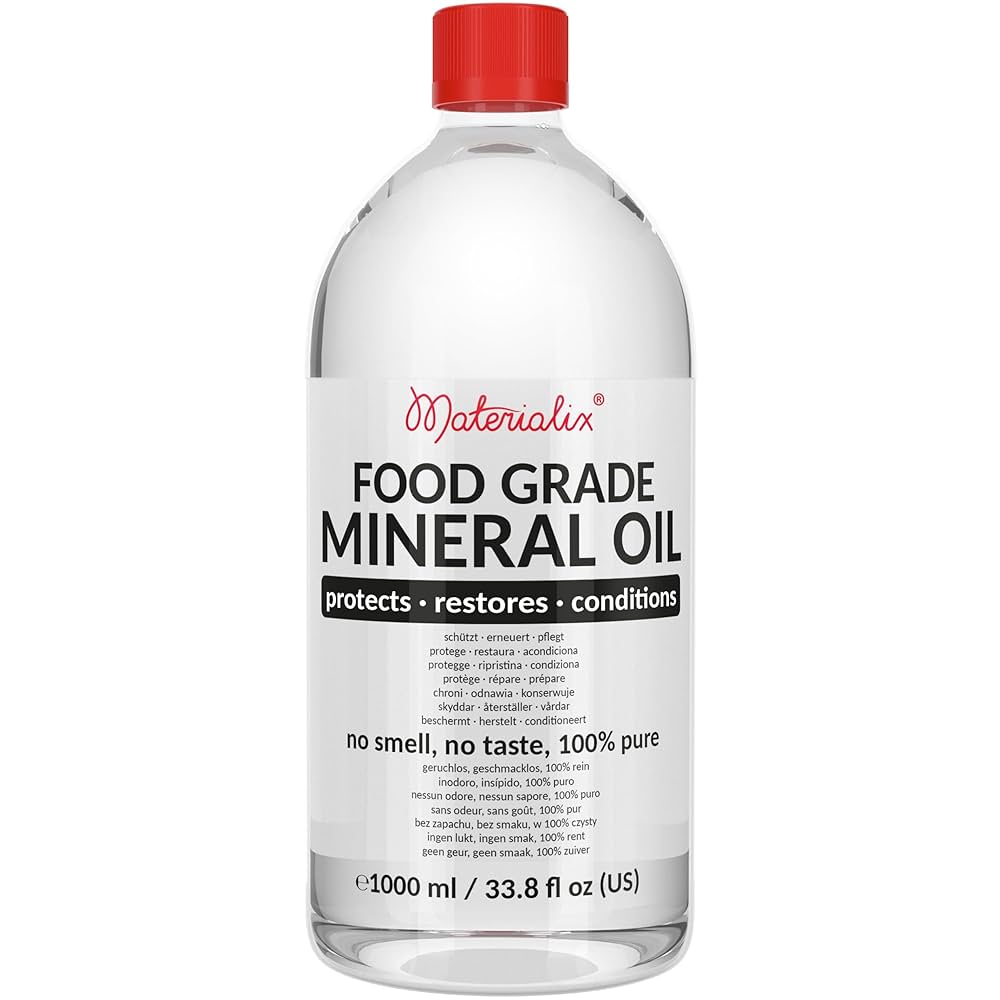
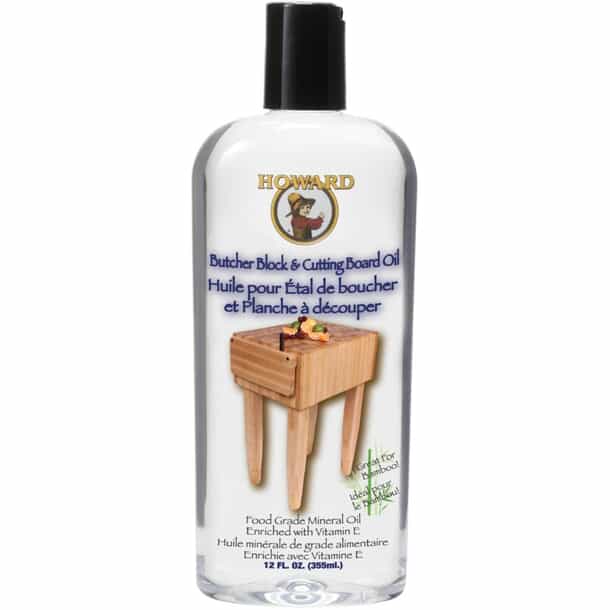
Mineral oil is popular for cutting boards. It is clear and odorless, so it does not change the wood’s look or smell.
This oil is easy to find and affordable. It helps protect the board from water and food stains.
- Prevents wood from drying and cracking
- Non-toxic and safe for food contact
- Does not go rancid or smell bad
- Easy to apply and reapply
Advantages Of Coconut Oil
Coconut oil is a natural option for cutting boards. It has antibacterial properties that can help keep the board clean.
This oil soaks in well and smells nice. It is a good choice if you want a plant-based oil.
- Natural antibacterial effects
- Good absorption into wood
- Leaves a fresh, mild scent
- Plant-based and renewable
Why Walnut Oil Works Well
Walnut oil is a drying oil. It hardens after applying, giving a strong finish to the wood.
This oil also adds a slight color and shine. It is best for people not allergic to nuts.
- Hardens to protect wood surface
- Adds natural shine and color
- Food safe and non-toxic
- Good for hardwood cutting boards
Choosing Food-safe Oils
Always pick oils that are safe to eat. Avoid oils that can go rancid or cause harm.
Look for oils labeled as food-grade or edible. This keeps your cutting board safe and clean.
- Use mineral oil or food-grade plant oils
- Avoid cooking oils like olive or vegetable oil
- Check for non-toxic and edible labels
- Reapply oil regularly for best results
Oils To Avoid
Choosing the right oil for your cutting board is important. Some oils can harm the wood or your health. Avoid oils that go rancid quickly or contain harmful chemicals.
This guide helps you know which oils to avoid to keep your cutting board safe and long-lasting.
Risks Of Vegetable And Olive Oils
Vegetable oils often dry out and crack wooden boards. Olive oil may smell good but can turn sticky and rancid fast. These oils do not protect wood well over time.
- Vegetable oils can become sticky and rancid.
- Olive oil dries slowly and may leave a sticky surface.
- Both oils can cause wood to crack or warp.
- They do not form a strong protective barrier.
Avoiding Rancid And Toxic Oils
Rancid oils smell bad and can make food unsafe. Some oils have chemicals that harm health. Always pick oils that stay fresh and are safe for food contact.
| Oil Type | Risk | Reason to Avoid |
| Vegetable Oil | High | Turns rancid fast and damages wood |
| Olive Oil | Medium | Dries slowly, can become sticky |
| Mineral Oil (Food Grade) | Low | Safe, does not go rancid |
| Nut Oils | Medium | May cause allergies and spoil quickly |

Credit: www.amazon.ca
How To Apply Oil Properly
Oiling your cutting board keeps it strong and safe for food. It stops the wood from drying out and cracking. Using the right oil and method helps protect your board longer.
This guide shows you how to clean and oil your board the right way. Follow these simple steps to keep your cutting board in good shape.
Cleaning Before Oiling
Always clean your cutting board before applying oil. Dirt and food bits can stop the oil from soaking in. Use warm water and mild soap to wash the board well.
- Rinse the board with warm water.
- Scrub gently using a soft sponge and mild soap.
- Rinse off all soap residue completely.
- Dry the board with a clean towel.
- Let it air dry fully before oiling.
Step-by-step Oiling Process
Use a food-safe oil made for cutting boards. Apply it evenly for the best results. Follow these steps to oil your board properly.
- Pour a small amount of oil on the board surface.
- Use a clean cloth or paper towel to spread the oil in a thin layer.
- Rub the oil into the wood in circular motions.
- Cover all sides, including edges and bottom.
- Let the oil soak for at least a few hours or overnight.
- Wipe off any extra oil with a clean cloth.
Frequency Of Oiling
How often you oil depends on use and board type. Regular oiling keeps the board safe and lasts longer.
| Usage | Oiling Frequency |
| Daily use | Once a week |
| Weekly use | Once a month |
| Rare use | Every few months |
Additional Maintenance Tips
Keeping your cutting board in good shape makes it last longer. Regular care helps protect the wood and keeps it safe for food.
Using the right oil is important, but other steps also help maintain your board well over time.
Sanding And Repairing Boards
Over time, cutting boards can get scratches and small cuts. Light sanding smooths the surface and removes rough spots.
Use fine-grit sandpaper and sand in the direction of the wood grain. After sanding, clean the board and reapply oil to protect the wood.
Using Beeswax For Extra Protection
Beeswax adds a protective layer on your cutting board. It seals the wood and helps stop water from soaking in.
Mix beeswax with oil and rub it on the surface. Let it dry, then buff the board for a smooth finish.
- Use pure beeswax for best results
- Apply a thin, even layer
- Buff the board after drying
Storage And Care Advice
Store your cutting board in a dry place. Avoid places with high heat or moisture to prevent warping and cracking.
Clean your board with mild soap and warm water. Never soak it in water or put it in the dishwasher.
- Dry the board upright after washing
- Keep it away from direct sunlight
- Oil your board regularly to keep wood healthy
Frequently Asked Questions
What Is The Best Oil For Cutting Boards?
The best oil for cutting boards is food-grade mineral oil. It’s non-toxic, odorless, and prevents wood from drying. It deeply penetrates the wood, providing long-lasting protection. Regular application maintains a smooth surface. Ensure to choose a food-safe option to keep your kitchenware safe and hygienic.
How Often Should I Oil My Cutting Board?
Oiling your cutting board every three to four weeks is recommended. This frequency ensures the wood remains hydrated and protected. However, if your board appears dry or rough, oil it sooner. Regular maintenance prolongs the board’s life and keeps it looking fresh.
Can I Use Olive Oil On Cutting Boards?
Using olive oil on cutting boards is not recommended. Olive oil can become rancid over time, leaving an unpleasant odor. It’s better to use mineral oil or a specialized cutting board oil. These options provide long-lasting protection without the risk of spoilage.
Why Is Mineral Oil Safe For Cutting Boards?
Mineral oil is safe for cutting boards because it’s food-grade and non-toxic. It doesn’t spoil or go rancid, ensuring your board remains hygienic. It also penetrates deeply into the wood, offering excellent protection. Regular use of mineral oil keeps your cutting board in optimal condition.
Conclusion
Choosing the right oil keeps your cutting board safe and strong. Food-safe oils like mineral oil protect wood from drying out. Regular oiling stops cracks and stains from forming. Avoid cooking oils, as they can turn rancid. Simple care extends your board’s life and looks.
Keep your cutting board fresh with the right oil. A little effort makes a big difference. Your kitchen tool will thank you.