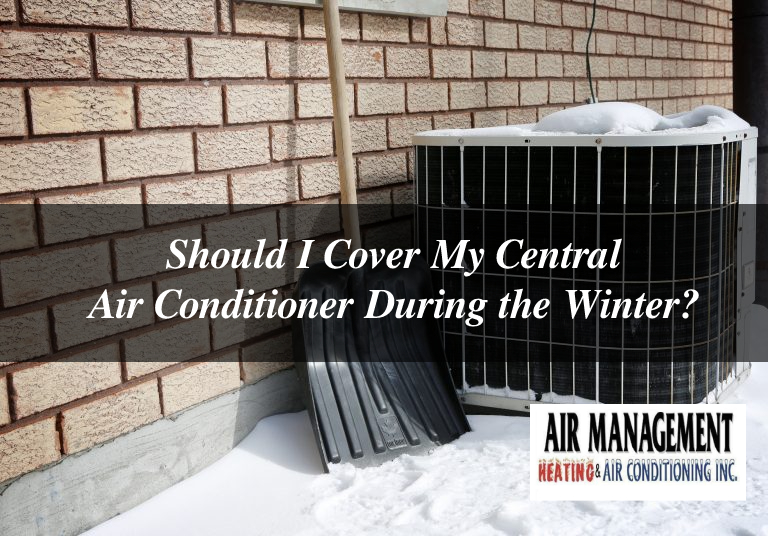
Are you wondering if you should cover your air conditioner during the winter? It’s a common question that many homeowners face as the cold season approaches.
You want to protect your unit from harsh weather, but could covering it actually cause more harm than good? Making the right choice now can save you money and prevent costly repairs later. Keep reading to discover the simple facts and expert tips that will help you decide what’s best for your air conditioner this winter.
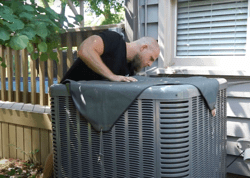
Credit: www.homeserve.com
Why Cover Your Air Conditioner
Covering your air conditioner in winter protects it from snow, ice, and debris damage. It helps keep the unit clean and ready for use when warmer weather returns. Proper covering can extend the life of your air conditioner.
Protecting From Winter Elements
Covering your air conditioner helps guard it against harsh winter weather. Snow, ice, and cold winds can harm the unit’s parts. A cover acts like a shield, keeping the machine safe and dry. This protection can stop rust and other damage caused by cold weather.
Preventing Debris Buildup
Leaves, dirt, and small branches may fall into your air conditioner during winter. Debris can block airflow and cause problems when you turn it on again. Using a cover keeps these unwanted materials out and makes cleaning easier in spring.
Avoiding Moisture Damage
Moisture from rain and melting snow can enter the air conditioner, causing electrical issues and mold growth. A good cover stops water from getting inside. This helps the unit stay dry and work better when warm weather returns.
Credit: www.furnaceprices.ca
When To Cover Your Unit
Covering an air conditioner too early can trap moisture and cause rust. Wait until the first frost or snowfallis expected. This timing helps protect the unit without causing damage.
Check local weather forecasts for cold snapsor freezing temperatures. These signs show when it is safe to cover the unit. Avoid covering on warm, rainy days to prevent mold growth.
- Cover after the last warm day of fall.
- Watch for steady temperatures below 40°F (4°C).
- Protect from snow and ice buildup.
- Ensure unit is dry before covering.
Types Of Covers Available
Plastic coversare cheap and easy to use. They protect the air conditioner from rain and snow. But plastic can trap moisture. This may cause rust or mold inside the unit.
Fabric coverslet air pass through. They keep leaves and dirt out but stop moisture build-up. These covers are soft and less likely to damage the unit.
| Cover Type | Protection | Breathability | Durability |
|---|---|---|---|
| Plastic Covers | Blocks rain and snow | Low (can trap moisture) | Low to Medium |
| Fabric Covers | Keeps leaves and dirt out | High (lets air pass) | Medium to High |
| Custom-Fit Covers | Fits perfectly, full protection | Depends on material | High |
Custom-fit coversare made for specific air conditioner models. They fit snugly to block dirt and water. These covers last longer and give the best protection.

Credit: www.furnaceprices.ca
How To Cover Your Air Conditioner
Cover the air conditioner with a breathable cover. This keeps out debris and moisture.
Make sure the unit is dry before covering it. Moisture can cause rust and damage.
Choose a cover that fits well. Loose covers can let in dirt and water.
Secure the cover with straps or cords. This stops it from blowing away in wind.
Check the cover regularly. Remove any snow or water that collects on top.
- Do not use plastic sheets. They trap moisture and cause rust.
- Avoid covering the unit too tightly. Air needs to flow to prevent mold.
- Never cover the unit while it is still wet.
- Do not block the drainage holes in the unit.
- Do not forget to remove the cover before using the AC in warm weather.
Risks Of Not Covering
Snow and icecan build up on your air conditioner. This may cause parts to break or freeze. Water from melting snow can seep inside and damage electrical parts.
Pestslike rodents and insects may hide inside your unit. They can chew wires or build nests, causing trouble when summer comes.
Metal parts can rustor corrodeif left exposed to moisture. Rust weakens the metal and can shorten the air conditioner’s life.
When Not To Cover Your Air Conditioner
Some air conditioners are built to stay outside all year. These units have strong parts that handle cold weather well. Covering them can trap moisture inside. Moist air causes rust and damage. This lowers the unit’s life.
Good air flow is key for these units. Covers block air, causing heat to build up. This can harm the system and waste energy. Letting the unit breathe keeps it safe and working well.
- Check if your unit says “all-season” or “year-round.”
- Use covers only if the manual suggests it.
- Keep vents open for proper air flow.
- Avoid plastic covers that trap moisture.
Maintenance Tips For Winter
Regular checks help keep your air conditioner safe during winter. Look for dirt, leaves, and damage on the unit. Clear away any debris that may block airflow. Tighten loose parts to avoid problems later. These small actions save money on repairs.
Before covering the unit, clean it well. Remove dirt from the coils and fins gently. Use a soft brush or cloth to avoid damage. Cleaning stops mold and rust from forming under the cover.
Frequently Asked Questions
Is It Necessary To Cover My Air Conditioner In Winter?
Covering your air conditioner in winter isn’t always necessary. Modern units are designed to withstand harsh weather. However, covering can prevent debris accumulation and protect against ice damage. Ensure the cover is breathable to prevent moisture buildup which can lead to rust and other issues.
What Are The Benefits Of Covering My Ac Unit?
Covering your AC unit can protect it from debris, snow, and ice. This can prolong the life of the unit by preventing rust and damage. It also keeps leaves and dirt out, which might affect performance when you use it again.
Can Covering My Ac Cause Problems?
Yes, improper covering can cause issues. A non-breathable cover can trap moisture, leading to rust and mold. It’s crucial to use a cover specifically designed for AC units. Ensure there’s enough airflow to prevent moisture buildup, which can damage internal components.
How Should I Cover My Air Conditioner?
Use a breathable, durable cover specifically for AC units. Ensure it covers the top and allows airflow from the sides. Avoid using plastic or airtight materials, as they can trap moisture. Proper covering prevents debris buildup while allowing moisture to escape.
Conclusion
Covering your air conditioner in winter can protect it from debris and ice. A good cover stops dirt and water from causing damage. Yet, make sure the cover fits well and allows air to flow. Avoid trapping moisture, as it can lead to rust or mold.
Regular checks help keep your unit safe and ready for summer. A simple cover can save repair costs later. Protect your investment with smart winter care. Your air conditioner will last longer and work better when spring arrives.