Are you tired of feeling sticky and uncomfortable inside your own home? You might wonder if your air conditioner is doing more than just cooling the air.
Does an air conditioner remove humidity, or is there something else you need to consider? Understanding how your AC works can make a big difference in creating a comfortable living space. Keep reading to discover the truth about air conditioners and humidity, and learn how to keep your home cool and fresh all year round.
How Air Conditioners Work
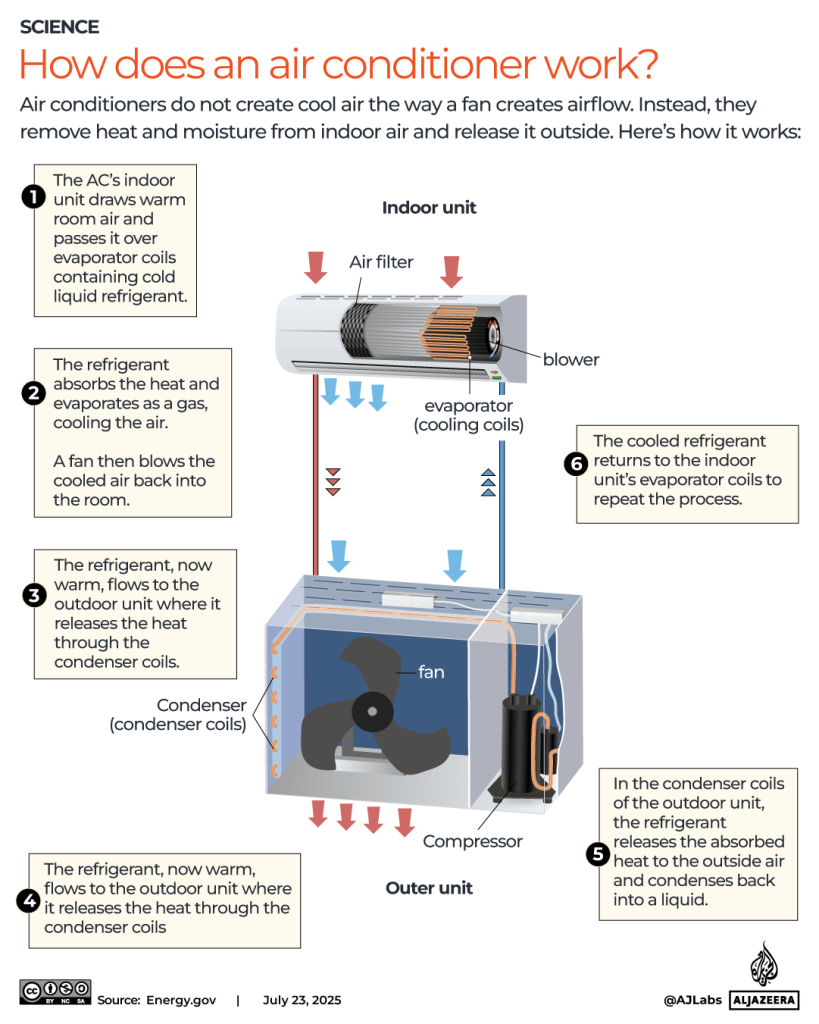
An air conditioner cools the air by pulling warm air inside. This air passes over cold coils filled with refrigerant. The refrigerant absorbs heat from the air, making the air cooler. The cooled air is then blown back into the room.
Warm air contains moisture. As air cools, it cannot hold as much moisture. The moisture in the air turns into water droplets on the cold coils. This water is collected and drained outside or into a container.
This process helps to reduce humidityin the room. So, an air conditioner does more than just cool the air. It also removes moisture, making the room feel more comfortable.
Humidity And Indoor Comfort
High humidity makes indoor air feel sticky and uncomfortable. It can cause moldand dust mitesto grow. These can lead to allergiesand health problems. Wood furniture and walls may get damaged by too much moisture.
Ideal indoor humidity levels stay between 30% and 50%. This range keeps the air feeling fresh and comfortable. It also helps to protect your home and health. Using a dehumidifier or air conditioner can help control humidity.
Air Conditioners And Humidity Control
An air conditioner removes humidityby cooling the air. As warm air passes over the cold coils, moisture in the air turns into water. This water then drains away, reducing the humidity insidethe room.
Not all air conditioners remove humidity equally. Some models are better at dehumidificationthan others.
| Type of Air Conditioner | Humidity Control Ability |
|---|---|
| Window AC | Moderate – removes some moisture |
| Central AC | Good – controls humidity in whole house |
| Portable AC | Low to Moderate – depends on model |
| Dehumidifier Combo | High – designed to remove lots of moisture |
- Cooling lowers air temperature and moisture level.
- Water collects on cooling coils and drains out.
- Some ACs have special settings for dehumidifying.
When Air Conditioners Fall Short
Air conditioners cool the air but do not always remove enough humidity. Their main job is to lower temperature, not to dry the air fully. Some models have limited ability to reduce moisture, which may leave the room feeling sticky.
Running an AC in very humid places might not solve all moisture problems. The system can only take out so much water from the air before it becomes less effective. This is why some rooms still feel damp even with the AC on.
- Air conditioners cool air by removing heat, not moisture alone.
- Humidity removal depends on the AC’s design and settings.
- Some units have a “dry mode” to help reduce moisture.
- High humidity may need a separate dehumidifier for better comfort.
Many people think all air conditioners remove humidity well. This is not always true. ACs mainly target heat, and moisture control is often a side effect, not a guarantee.
Enhancing Humidity Control
An air conditionercools air but only partly removes humidity. It condenses some moisture as it cools. But it does not control humidity fully.
Dehumidifiersare made to remove moisturefrom the air. They work well in damp rooms or during wet seasons. Dehumidifiers help keep air dry and comfortable.
Good ventilationhelps control humidity by bringing fresh air inside. Opening windows or using fans moves moist air out. This stops dampness and mold growth.
| Method | How It Helps |
|---|---|
| Air Conditioner | Removes some moisture while cooling air |
| Dehumidifier | Reduces humidity by extracting moisture directly |
| Ventilation | Circulates air to reduce moisture buildup |

Credit: coastalhomeservicesinc.com
Maintenance Tips For Optimal Performance
Regular filter cleaninghelps your air conditioner work better. Dust and dirt block airflow and lower cooling power. Clean filters keep air fresh and remove humidity well. Check filters every month and wash or replace them as needed. This simple step saves energy and keeps your home comfy.
System inspection and servicingby a professional keeps your unit safe and efficient. Experts check for leaks, clean coils, and test refrigerant levels. Regular care prevents big problems and improves humidity control. Schedule a check-up at least once a year to keep your air conditioner in top shape.
Choosing The Right Solution
Choosing the right solution means knowing how much humidityyou want to remove. Air conditioners can reduce moisture but may not be enough in very damp areas. A dehumidifiermight work better for high humidity levels.
Think about the size of the room and how often you use the device. Small spaces need less powerful units. Bigger rooms need stronger machines to keep air comfortable.
- Check energy use to save on bills.
- Look for units with a good energy rating.
- Energy-efficient models cost less to run.
- Some devices have settings to control humidity levels.
- Quiet operation helps in bedrooms or offices.

Credit: www.georgiaairrepair.com

Credit: www.yahoo.com
Frequently Asked Questions
How Does An Air Conditioner Remove Humidity?
An air conditioner removes humidity by cooling the air, which causes moisture to condense. The condensed water is then collected and drained away, effectively reducing the humidity level in the room. This process not only cools the air but also makes the environment more comfortable.
Does Ac Lower Humidity Effectively?
Yes, air conditioners effectively lower humidity by removing moisture from the air. By cooling the air and condensing water vapor, AC units can significantly reduce humidity levels. This process not only cools but also creates a more comfortable indoor environment.
Can Air Conditioners Dehumidify Without Cooling?
Yes, some air conditioners have a dehumidification mode that removes moisture without significant cooling. This mode focuses on reducing humidity levels while maintaining a steady temperature. It’s ideal for days when cooling is unnecessary but humidity is high.
What Is The Ideal Humidity Level For Comfort?
The ideal indoor humidity level for comfort is between 30% and 50%. Maintaining humidity within this range helps prevent mold growth and enhances comfort. Air conditioners and dehumidifiers can help achieve and maintain these levels efficiently.
Conclusion
An air conditioner does reduce humidity by cooling the air. It pulls moisture from the room, making it less damp. This helps you feel more comfortable during hot days. But, it is not a perfect dehumidifier. For very high humidity, a separate device might work better.
Still, using an air conditioner is a simple way to control moisture. It keeps your home cooler and less sticky. Understanding this can help you manage indoor air better. Choose the right tool for your needs and enjoy a fresher space.