You know how important it is to keep your kitchen safe, especially when handling raw chicken. But cleaning a wooden cutting board after cutting chicken can feel tricky.
If you don’t clean it properly, harmful bacteria can hide in the wood and put your health at risk. You’ll learn simple, effective steps to clean your wooden cutting board thoroughly and keep your kitchen safe. By the end, you’ll feel confident every time you prepare chicken, knowing your cutting board is spotless and ready to use.
Keep reading to discover easy tips that protect you and your family.
Credit: www.foodnetwork.com
Risks Of Cleaning Wooden Boards After Chicken
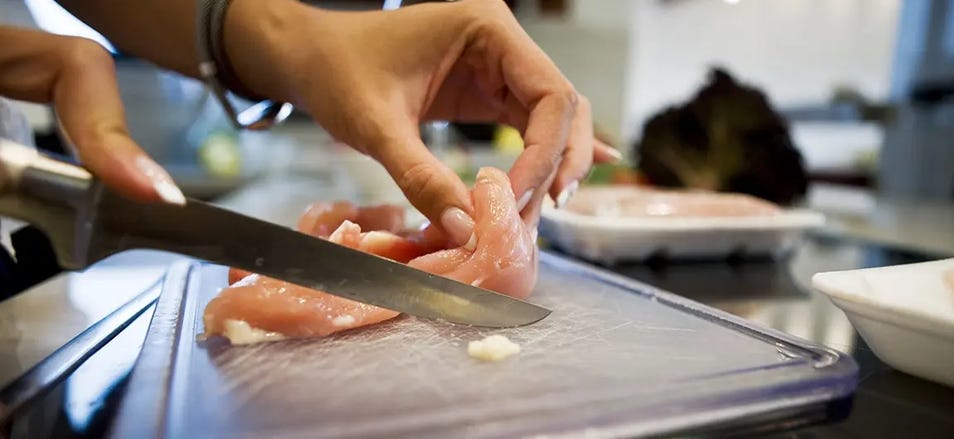
Wooden cutting boards are popular in many kitchens. Cleaning them after cutting chicken is very important. Chicken carries bacteria that can cause illness.
Wood can absorb juices from raw chicken. This can create risks if the board is not cleaned properly. Knowing these risks helps keep your kitchen safe.
Bacteria And Cross-contamination
Raw chicken often has harmful bacteria like Salmonella and Campylobacter. These bacteria can stay on wooden boards if not cleaned well.
Using the same board for other foods without proper cleaning can spread bacteria. This is called cross-contamination. It can make people sick.
- Bacteria hide in cuts and grooves on the wood
- Improper cleaning leaves bacteria alive on the board
- Cross-contamination spreads bacteria to other foods
- Thorough cleaning kills bacteria and prevents illness
Wood Absorption Issues
Wood is porous, meaning it can soak up liquids. Chicken juices can sink into the board’s surface. This makes cleaning harder.
Absorbed liquids can carry bacteria deep inside the wood. These bacteria stay even after surface cleaning. This can cause long-term contamination.
- Wood absorbs chicken juices and bacteria
- Deep bacteria are hard to remove by washing
- Moisture inside wood can lead to mold growth
- Regular oiling and drying help protect wooden boards
Credit: www.lysol.com
Immediate Steps After Use
Cleaning a wooden cutting board right after cutting chicken helps keep it safe. You should act fast to remove bacteria and food residue.
Here are two key steps to follow immediately after use for best results.
Scraping Off Residue
Start by scraping off any leftover pieces of chicken or juices. Use a plastic scraper or spatula to avoid damaging the wood.
- Hold the board steady on a flat surface.
- Gently scrape off meat bits and skin.
- Remove any stuck-on residue carefully.
- Dispose of the scraps properly to prevent contamination.
Rinsing With Warm Water
After scraping, rinse the board with warm water. This helps wash away loose particles and some bacteria.
| Water Temperature | Purpose |
|---|---|
| Warm (not hot) | Removes food residue without warping wood |
| Hot | May damage or crack the wooden board |
| Cold | Less effective at cleaning and removing bacteria |
Effective Cleaning Methods
Cleaning a wooden cutting board after cutting chicken is very important. It helps stop bacteria from spreading and keeps your board safe to use.
Use the right cleaning methods to remove germs and stains. This guide shows easy ways to clean your board well.
Using Soap And Hot Water
Soap and hot water remove dirt and germs from the surface of the board. Make sure the water is hot enough to kill bacteria but not so hot that it damages the wood.
- Rinse the board with hot water.
- Apply dish soap to a sponge or cloth.
- Scrub the board thoroughly on both sides.
- Rinse off all soap with hot water.
- Dry the board with a clean towel or air dry it standing up.
Applying Vinegar Or Lemon Juice
Both vinegar and lemon juice kill bacteria naturally. They also help remove odors from the board after cutting chicken.
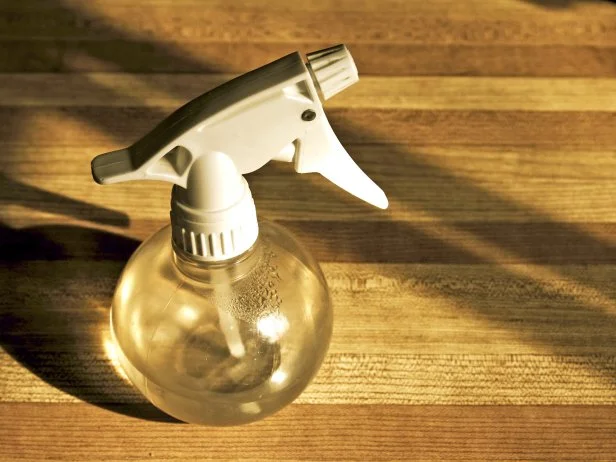
- Spray white vinegar over the surface or rub lemon juice on the board.
- Let it sit for 5 to 10 minutes.
- Rinse with warm water to remove the vinegar or lemon juice.
- Dry the board completely before storing.
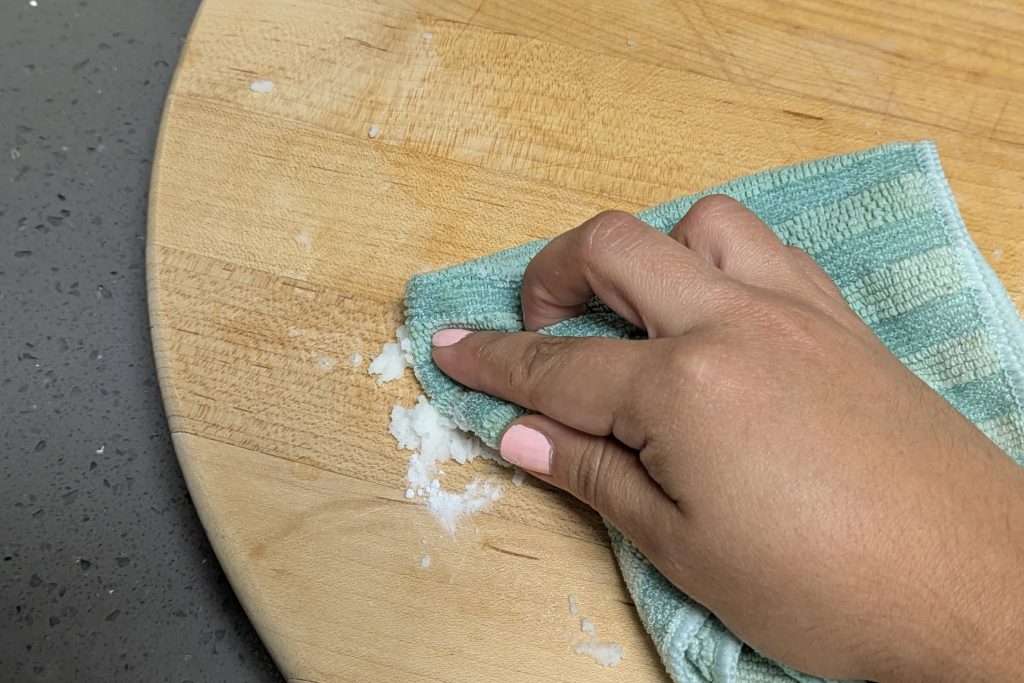
Salt Scrub Technique
Salt scrub works as a natural abrasive to clean stains and kill germs. It pairs well with lemon juice to freshen the board.
| Material | Use |
|---|---|
| Coarse Salt | Sprinkle over the board surface |
| Lemon Half | Rub salt into the board using lemon side |
| Warm Water | Rinse off salt and lemon juice |
| Clean Towel | Dry the board fully |
Disinfecting Without Damage
Cleaning a wooden cutting board after handling chicken is important. You want to kill germs but keep the wood safe. Some cleaners can harm the wood over time.
Choosing the right disinfecting method helps your board last longer. It also keeps your kitchen safe from bacteria.
Hydrogen Peroxide Application
Hydrogen peroxide is a safe way to disinfect wooden cutting boards. It kills bacteria without soaking into the wood deeply. Use a 3% solution for best results.
- Pour hydrogen peroxide directly on the board.
- Let it sit for about 5 minutes to kill germs.
- Wipe the board with a clean cloth.
- Rinse with warm water and dry well.
Avoiding Harsh Chemicals
Harsh chemicals can dry out and crack wooden boards. Avoid bleach and strong detergents. These chemicals remove natural oils and damage the wood’s surface.
| Chemical | Effect on Wood |
| Bleach | Dries and weakens wood fibers |
| Ammonia | Removes natural oils, causes cracking |
| Strong detergents | Strips finish, dulls wood surface |
Drying And Maintenance Tips
Cleaning a wooden cutting board after cutting chicken is important to keep it safe. Drying and maintaining it well can make it last longer.
Wood can absorb water, which causes damage. Proper care helps stop cracks and warping.
Proper Air Drying
After washing, dry the board with a clean towel. Then, let it air dry standing up or on a rack.
Do not lay the board flat on a surface. This traps moisture and can cause the wood to swell or split.
- Use a clean towel to remove surface water
- Place board upright to let air flow
- Avoid stacking boards while wet
- Keep away from direct heat or sunlight
Oiling To Preserve Wood
Oiling your wooden board keeps it strong and prevents it from drying out. Use food-safe mineral oil for best results.
Apply oil evenly with a soft cloth. Let it soak overnight and wipe off any extra oil the next day.
- Oil the board once a month or after heavy use
- Use mineral oil, beeswax, or a special cutting board oil
- Do not use cooking oils that can go bad
- Make sure the board is clean and dry before oiling
Signs To Replace Your Cutting Board
Wooden cutting boards can last a long time with care. Cleaning after chicken is very important to stop bacteria. Sometimes, the board gets damaged or smelly.
You should watch for signs that show it is time to get a new board. Using a bad cutting board can make food unsafe.
Deep Cracks And Gouges
Deep cracks and gouges in a wooden board trap bacteria. These cuts are hard to clean well, even with soap and hot water.
If your board has many deep cuts, it is safer to replace it. Bacteria can hide in these cracks and cause food poisoning.
- Check the surface for deep cuts after each use
- Scrape or sand small cuts to keep the board smooth
- Replace the board if cracks are too large to fix
Persistent Odors
Wooden boards can absorb smells from raw chicken or other foods. Sometimes the odors stay even after cleaning.
If your board keeps smelling bad, it could mean bacteria is still inside. This is a sign to get a new cutting board.
- Use lemon or vinegar to reduce odors after washing
- Let the board dry completely before storing
- Replace the board if the smell does not go away

Credit: ca.style.yahoo.com
Frequently Asked Questions
How Do I Sanitize A Wooden Cutting Board After Chicken?
To sanitize, wash with hot soapy water first. Then, apply white vinegar or a bleach solution. Let it sit for a few minutes. Rinse thoroughly and dry completely to prevent bacteria growth.
Can I Use Bleach To Clean Wooden Cutting Boards?
Yes, dilute bleach (1 tablespoon per gallon of water) can sanitize wooden boards. Avoid soaking the board for long to prevent damage. Rinse well and air dry to maintain board integrity and safety.
Why Should I Avoid Soaking Wooden Cutting Boards?
Soaking wooden boards causes them to warp and crack. It also encourages bacteria growth inside the wood fibers. Always wash quickly with soap and water, then dry immediately to keep your board safe and durable.
How Often Should I Oil My Wooden Cutting Board?
Oil your board monthly or when it looks dry. Use food-safe mineral oil to prevent cracking and warping. Oiling creates a protective barrier, making cleaning more effective and extending board life.
Conclusion
Cleaning a wooden cutting board after chicken is crucial. It prevents bacteria buildup. Use hot, soapy water for washing. Rinse thoroughly to remove soap. Dry it completely with a clean towel. Never soak in water to avoid warping. Apply mineral oil occasionally to maintain its condition.
Store it in a dry place. Regular cleaning ensures your cutting board stays safe and long-lasting. Follow these steps consistently for peace of mind. Keep your kitchen healthy and your meals safe. Remember, a clean board means a clean meal.
Stay proactive with your kitchen tools.