Are you tired of feeling sticky and uncomfortable in your own home? You might wonder if your air conditioner is doing more than just cooling the air.
Does it help with humidity too? Understanding how your AC affects moisture can make a big difference in creating a fresh, comfortable space. Keep reading to discover how your air conditioner works with humidity and what you can do to keep your home feeling just right.
How Air Conditioners Affect Humidity
Air conditioners do more than just cool the air. They also reduce humidityby removing moisture. When warm air passes over the cold coils of an air conditioner, water vapor condenses into liquid. This process lowers the indoor moisture leveland makes the air feel cooler and more comfortable.
| Type of Air Conditioner | Effect on Humidity |
|---|---|
| Window Units | Remove some moisture, but limited coverage |
| Central Air Systems | Better at moisture control for whole house |
| Portable ACs | Lower humidity in small areas |
Dehumidifiers focus on removing moisturewithout cooling the air. Air conditioners cool and dry air at the same time. For very humid spaces, using a dehumidifier with an air conditioner works well. This keeps air dry and comfortable all day long.

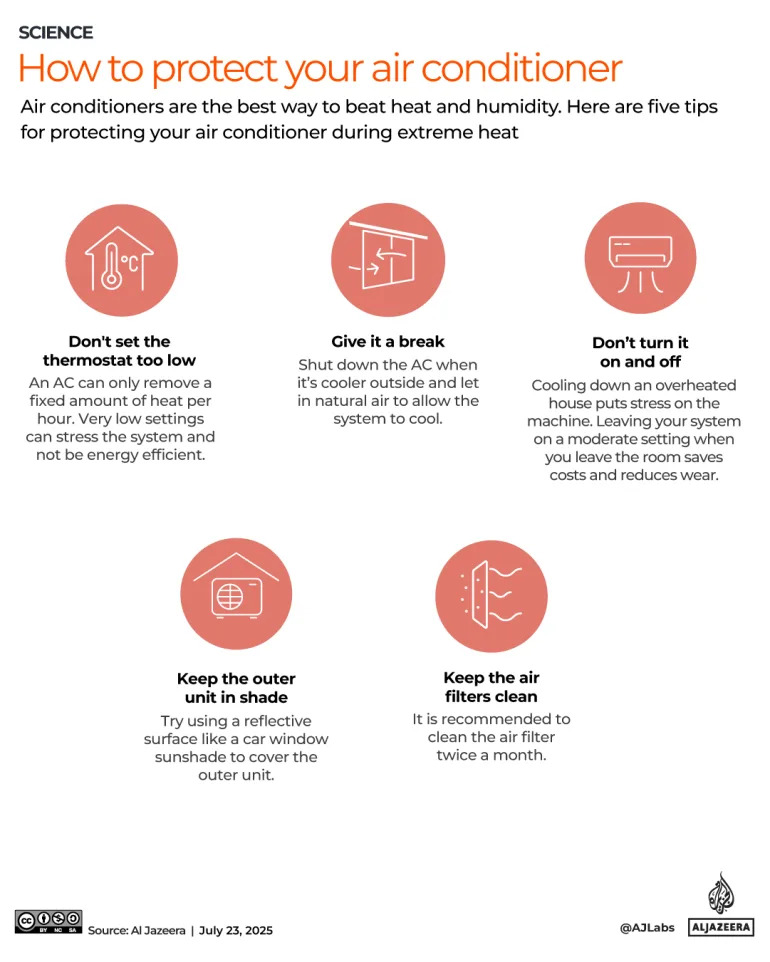
Credit: www.aljazeera.com
Benefits Of Reduced Humidity Indoors
Reduced humiditymakes the air feel cooler and more pleasant. It helps people stay comfortable, especially in hot weather. Dry air lowers sweating, so the body cools down faster.
High humidity can cause mold and mildewgrowth. These fungi can harm health and damage walls. Keeping humidity low stops mold from spreading and keeps the home healthier.
Furniture and electronics can get damaged by too much moisture. Wood may swell and warp. Electronics might stop working well. Lower humidity helps protect these valuable itemsand extends their life.
Signs Your Air Conditioner Isn’t Controlling Humidity
Air conditioners cool the air but may not always reduce humidity well. Signs include sticky air, condensation on windows, and a damp smell indoors. These issues show your AC might struggle to control moisture effectively.
Feeling Sticky Or Damp Air
The air feels stickyor dampinside, even when the AC runs. This means the unit is not removing enough moisture. Rooms may feel uncomfortableand heavy. Clothes or furniture might also feel moist.
Condensation On Windows And Walls
Water droplets form on windows and walls. This is a clear sign of high humidity. The AC may cool the air but fail to remove moistureproperly. This can lead to mold growthand damage to walls.
Musty Odors Indoors
A musty smelloften comes from damp areas inside the house. Poor humidity control by the AC can cause this. Mold and mildew thrive in moist air, causing unpleasant odors.
Maximizing Humidity Control With Your Ac
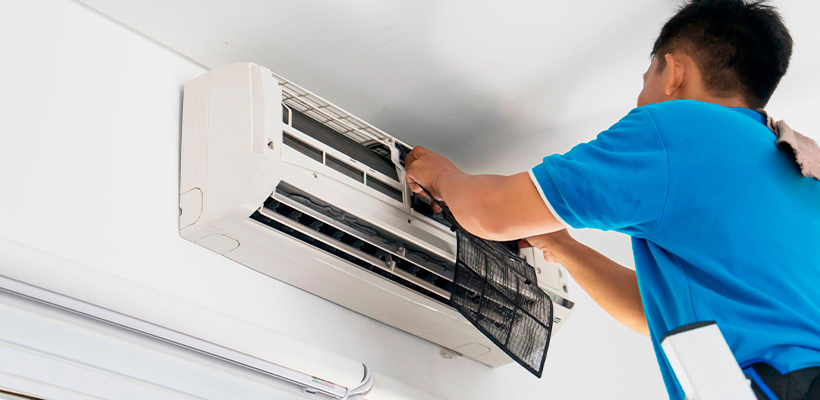
Keeping your air conditioner clean is importantfor good humidity control. Dirt and dust block airflow and reduce efficiency. Check filters often and replace them as needed. Clean the coils and drain pan to avoid water buildup. This helps your AC remove moisture from the air better.
Use the AC settings wisely to control humidity. Set the temperature to a comfortable level, not too cold. Using the “Auto” fan modehelps the AC run only when needed, which saves energy and controls moisture better. Avoid “Fan Only” modeif your goal is to reduce humidity.
| Device | Purpose | Best Use |
|---|---|---|
| Air Conditioner | Cool air and remove some moisture | Good for mild humidity |
| Dehumidifier | Remove excess moisture from air | Best for high humidity |
| AC + Dehumidifier | Cool air and control moisture well | Use in very humid places |
Energy Efficiency And Humidity Management
Humidityinside a home can make air conditioners work harder. High humidity means the AC removes more moisture from the air. This process uses extra energy and raises electricity bills. Lower humidity lets the AC cool more efficiently and save energy.
Choosing an energy-efficient AC unithelps manage humidity better. Look for models with a high SEER rating. These units use less power while controlling moisture. They keep rooms comfortable without wasting energy.
Smart thermostats and humidity sensors improve control. They adjust settings based on humidity levels. This avoids overcooling and reduces energy use. Sensors detect moisture and tell the AC to run only when needed.
| Feature | Benefit |
|---|---|
| High SEER Rating | Uses less power, controls humidity well |
| Humidity Sensors | Detect moisture, adjust AC operation |
| Smart Thermostats | Optimize cooling, save energy |

Credit: www.youtube.com
Alternatives To Air Conditioners For Humidity Control
Standalone dehumidifiersremove moisture from the air effectively. They are easy to use and can work in small or large rooms. These devices help keep rooms dry and prevent mold growth.
Ventilation and air circulationreduce humidity by moving moist air outside. Opening windows and using fans can help air flow. This lowers indoor moisture and keeps the air fresh.
Natural humidity reduction methodsinclude placing bowls of salt or charcoal around the room. These absorb moisture without electricity. Houseplants like spider plants can also help by absorbing humidity.
Credit: acerefrigeration.ca
Frequently Asked Questions
Do Air Conditioners Reduce Humidity Levels?
Yes, air conditioners effectively reduce humidity levels. They work by cooling the air, which naturally removes moisture. As the air cools, the moisture condenses into water droplets, which are drained away. This process not only cools your space but also makes it less humid, enhancing comfort.
How Do Air Conditioners Control Humidity?
Air conditioners control humidity by removing moisture from the air. They use evaporator coils to cool the air, causing moisture to condense. This condensed moisture is collected and drained away. By continuously cycling the air through this process, air conditioners maintain a comfortable and balanced indoor humidity level.
Can Air Conditioners Replace Dehumidifiers?
Air conditioners can reduce humidity but aren’t a full replacement for dehumidifiers. While they lower humidity by cooling the air, dehumidifiers are specifically designed to remove moisture. For severe humidity issues, using both can provide better results, ensuring optimal comfort and indoor air quality.
Do All Air Conditioners Dehumidify?
Most air conditioners dehumidify, but not all do so effectively. Standard units reduce humidity as part of the cooling process. However, some models come with enhanced dehumidification features. If humidity control is a priority, consider models with specific dehumidifying capabilities or invest in a separate dehumidifier.
Conclusion
Air conditioners do help reduce indoor humidity. They cool the air and remove moisture. This makes rooms feel more comfortable and less sticky. Still, air conditioners are not a full solution for very high humidity. Using a dehumidifier can help in those cases.
Regular maintenance keeps your AC working well. In short, air conditioners support humidity control but work best with other tools. Staying cool and dry is easier with the right approach.