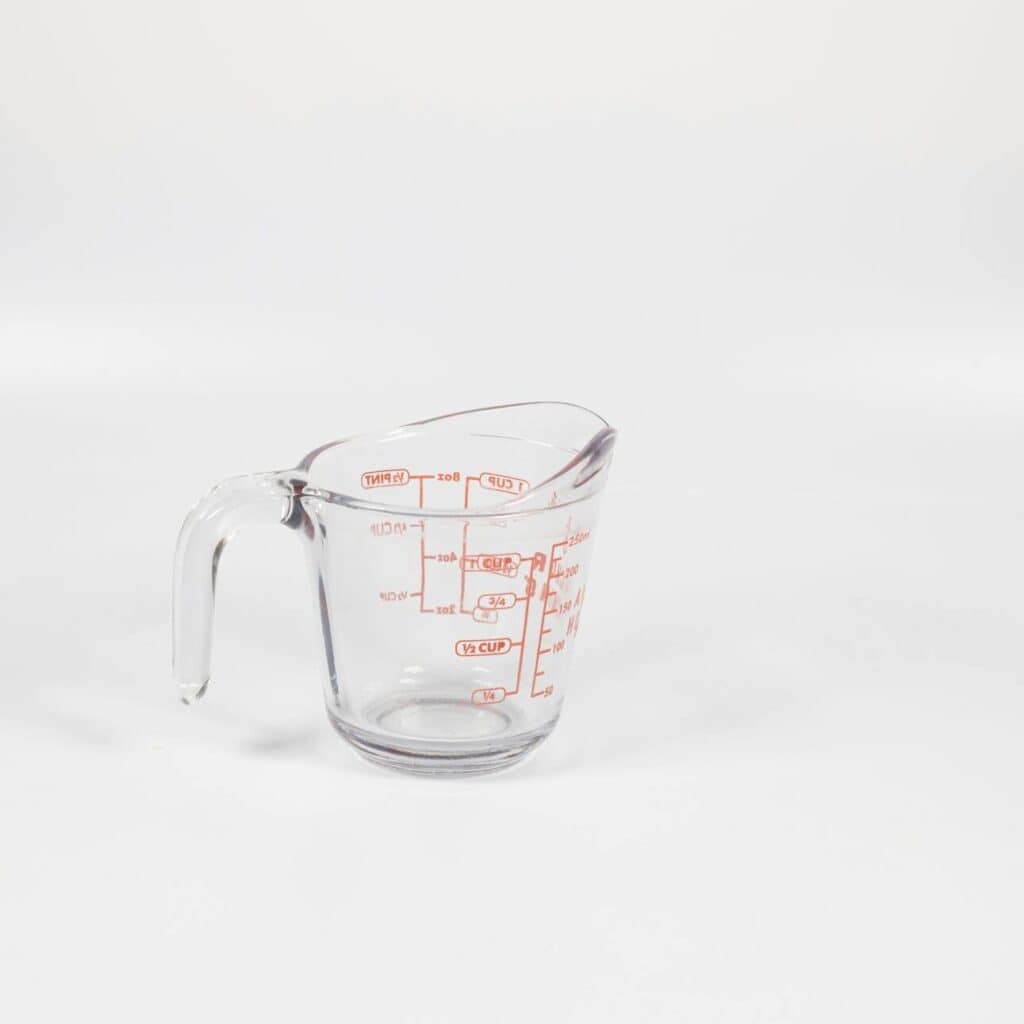
Are you struggling to find the right measuring cups that make 2 3 cups with ease? Whether you’re baking a cake or cooking a meal, having the right tools can make all the difference.
You want accuracy without the hassle, so your recipes turn out perfect every time. You’ll discover which measuring cups are best for measuring 2 3 cups quickly and accurately. Keep reading, and you’ll never guess how simple it can be to get the perfect measurement every time.
Choosing The Right Measuring Cups
Measuring cups help you get the right amount of ingredients. Choosing good cups makes cooking and baking easier.
Different cups come in many styles and sizes. Picking the right ones depends on your needs.
Materials And Durability
Measuring cups come in materials like plastic, metal, and glass. Each type has good and bad points.
Metal cups last long but can dent. Plastic cups are light but may wear out. Glass cups are clear and easy to clean.
- Metal: strong, durable, but can bend
- Plastic: lightweight, cheap, less durable
- Glass: clear, easy to read, fragile
Size Options And Sets
Measuring cups come in single sizes or sets. Sets usually include common sizes for different recipes.
Having various sizes helps measure small and large amounts with ease. Choose sets if you cook often.
- Common sizes: ¼ cup, ⅓ cup, ½ cup, 1 cup
- Sets save space and money
- Single cups good for quick use
Accuracy And Calibration
Accurate measuring cups give correct ingredient amounts. Look for clear markings that do not fade.
Some cups show both metric and US units. Calibration helps measure dry and liquid ingredients correctly.
- Clear, easy-to-read measurements
- Markings for cups, milliliters, ounces
- Proper calibration for dry and wet use

Credit: www.amazon.com
Types Of Measuring Cups
Measuring cups come in different types to help cook and bake accurately. Using the right cup makes recipes turn out better.
We will look at three main types: liquid, dry, and specialty measuring cups. Each type has a specific use in the kitchen.
Liquid Measuring Cups
Liquid measuring cups are usually made of glass or clear plastic. They have a spout for easy pouring and measurement lines on the side.
These cups measure liquids like water, milk, and oil. They allow you to see the liquid level from the side for accuracy.
Dry Measuring Cups
Dry measuring cups are usually made of metal or plastic. They come in sets with different sizes, such as 1 cup, 1/2 cup, 1/3 cup, and 1/4 cup.
- Used for measuring solid ingredients like flour, sugar, and grains.
- Fill the cup and level off with a flat edge for an exact amount.
- Not designed for liquids because they do not have a spout.
Specialty Measuring Cups
Specialty measuring cups serve unique purposes in cooking and baking. They include cups for coffee, medicine, and small amounts of spices.
| Type | Use | Material |
| Coffee Measuring Cup | Measure coffee grounds | Plastic or metal |
| Medicine Measuring Cup | Measure liquid medicine | Plastic |
| Spice Measuring Cup | Measure small spice amounts | Metal or plastic |
How To Measure Ingredients Accurately
Measuring ingredients correctly helps make recipes turn out well. Using the right tools and methods can improve your cooking results.
Different ingredients need different ways to measure. This guide explains how to measure liquids and dry items properly. It also points out common mistakes to avoid.
Measuring Liquids
Use clear measuring cups marked with units for liquids. Pour the liquid on a flat surface and check the level at eye height. This avoids errors from looking at an angle.
- Choose a glass or plastic cup with measurement lines.
- Place the cup on a flat surface.
- Pour the liquid slowly to the desired mark.
- Check the measurement at eye level.
- Adjust if needed by adding or removing liquid.
Measuring Dry Ingredients
Dry ingredients like flour or sugar need a different approach. Use dry measuring cups and fill them to the top. Level off with a knife for an exact amount.
| Ingredient | How to Measure |
| Flour | Spoon into cup, then level with a flat edge |
| Sugar | Scoop into cup and level off |
| Cocoa Powder | Sift before measuring, then level |
| Oats | Fill cup and level |
Common Measuring Mistakes
Many mistakes come from wrong tools or rushing the process. Here are some common errors to watch out for.
- Using liquid cups for dry ingredients or vice versa.
- Not leveling dry ingredients after scooping.
- Reading liquid levels from above or below eye level.
- Packing flour tightly instead of fluffing before measuring.
- Skipping the use of measuring spoons for small amounts.

Credit: shawnacoronado.com
Matching Measuring Cups To Ratios
Using measuring cups correctly helps you make recipes with exact portions. Ratios guide how much of each ingredient you need.
Understanding how to match cups to ratios makes cooking easier and more accurate.
Creating 2:3 Portions
The 2:3 ratio means two parts of one ingredient and three parts of another. Choose cups that fit these parts well.
- Use a 1/3 cup for the smaller part and 1/2 cup for the larger part.
- Or use 2/4 cup (1/2 cup) and 3/4 cup for more volume.
- Pick sizes easy to measure without leftovers.
Combining Different Cup Sizes
You can mix and match different cup sizes to reach the exact ratio. This helps with odd measurements.
| Ratio Part | Example Cup Sizes | How to Combine |
| 2 Parts | 1/4 cup, 1/2 cup | Use two 1/4 cups or one 1/2 cup |
| 3 Parts | 1/3 cup, 1/4 cup | Combine one 1/3 cup and one 1/4 cup |
Adjusting For Recipe Variations
Recipes may need you to change the ratio or total amount. Adjust your measuring cups to fit the new needs.
- Identify the new ratio or total volume.
- Select cup sizes that add up to the required amounts.
- Use smaller cups to be precise with small changes.
- Mix cups if one size does not match the needed volume.
Cleaning And Maintenance Tips
Keeping your measuring cups clean helps them last longer. Proper care also stops stains and odors.
Follow simple steps to clean and store your measuring cups correctly. This guide covers safe washing and smart storage.
Dishwasher Safe Options
Many measuring cups made of stainless steel or certain plastics are dishwasher safe. Always check the label before placing them in the dishwasher.
- Place cups on the top rack to avoid heat damage.
- Use a gentle cycle to protect the material.
- Avoid mixing with sharp utensils that can scratch the surface.
- Remove cups promptly to prevent water spots.
Hand Washing Best Practices
Hand washing is best for delicate or non-dishwasher safe measuring cups. Use warm water and mild soap for cleaning.
| Cleaning Tip | Reason |
| Use soft sponge | Prevents scratches on surfaces |
| Rinse thoroughly | Removes soap residue |
| Dry with soft cloth | Stops water spots and rust |
| Clean immediately after use | Prevents food from hardening |
Storage Solutions
Store measuring cups in a dry place to avoid damage and keep them ready for use.
- Keep cups nested together to save space.
- Use a drawer organizer to prevent cups from shifting.
- Hang cups with hooks if they have handles.
- Store away from direct sunlight to avoid color fading.

Credit: www.amazon.com
Top Brands And Recommendations
Measuring cups are essential tools in every kitchen. Choosing the right set makes cooking easier and more precise.
This guide covers top brands and good choices for different budgets and preferences.
Budget-friendly Choices
Affordable measuring cups can be reliable and last long. Look for sets made from durable plastic or stainless steel.
- OXO Good Grips offers sturdy plastic sets under budget.
- Pyrex glass measuring cups are affordable and heat-resistant.
- Prepworks by Progressive has compact and budget-friendly options.
Premium Measuring Cups
Premium measuring cups use higher quality materials. They often feature clear markings and ergonomic designs.
- All-Clad stainless steel cups offer durability and style.
- Le Creuset sets combine enamel coating with precise measurements.
- Williams Sonoma features elegant glass and metal options.
Customer Favorites
Some measuring cups are popular because many users trust their accuracy and comfort.
- OXO Good Grips sets are loved for easy reading and handling.
- Pyrex glass cups are favored for their durability and heat resistance.
- KitchenAid measuring cups get praise for their solid build and clear marks.
Frequently Asked Questions
What Are Measuring Cups Used For?
Measuring cups are essential kitchen tools for accurately measuring ingredients. They are used in cooking and baking to ensure precise ingredient proportions. This helps achieve consistent results. They come in various sizes, including 1/4, 1/3, 1/2, and 1 cup. These sizes can be combined to measure different quantities.
How Do You Measure 2/3 Cup?
To measure 2/3 cup, use a 1/3 cup twice. This ensures you get the exact amount needed. Alternatively, if you have a 2/3 cup measuring cup, simply fill it once. Accurate measurement ensures your recipe’s success. Using the correct amount of ingredients is crucial for the desired taste and texture.
Can You Make 2/3 Cup With Other Sizes?
Yes, you can make 2/3 cup using other measuring cup sizes. Combine two 1/3 cups to achieve 2/3 cup. Alternatively, use a 1/2 cup and add a 1/6 cup. This method ensures precision without needing a 2/3 cup specifically. Accurate measurements are key for consistent cooking and baking results.
Why Is Accurate Measurement Important In Baking?
Accurate measurement in baking ensures the right balance of ingredients. It affects texture, taste, and overall success of your baked goods. Inaccurate measurements can lead to undesirable results. This includes flat cakes or dry cookies. Consistency in measuring helps maintain quality and flavor in every bake.
Always measure carefully for the best outcomes.
Conclusion
Measuring cups that make 2 3 are easy to find and use. They help you measure ingredients quickly and correctly. Using the right cup saves time and avoids mistakes in recipes. Simple tools like these improve your cooking and baking results.
Choose cups with clear marks and sturdy material. This way, you get perfect portions every time. Cooking becomes more fun and less stressful. Keep your kitchen tools ready and enjoy better meals.