Are you thinking about upgrading your kitchen with a new cutting board? Choosing the right wood can make a big difference in how your board looks and lasts.
You might have heard about Purple Heart wood and wondered, “Is Purple Heart good for cutting boards? ” This wood’s striking color grabs attention, but how does it perform when it comes to durability, safety, and maintenance? Keep reading to discover if Purple Heart is the perfect fit for your kitchen or if you should look elsewhere for your next cutting board.
Credit: www.goodshepherdwoodshop.com
Purple Heart Wood Features
Purple Heart wood is known for its unique color and strong nature. It is often used in woodworking projects.
This wood raises the question of whether it is good for cutting boards. Let’s look at its features.
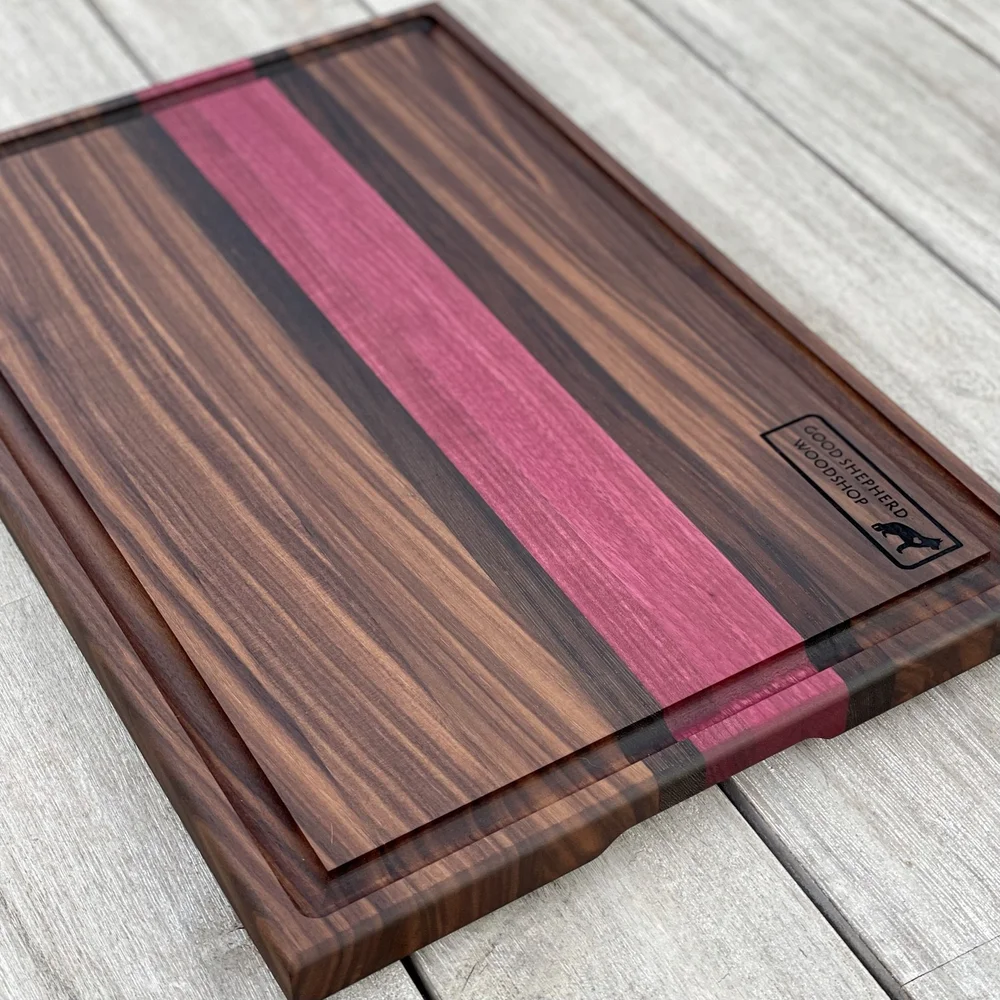
Color And Appearance
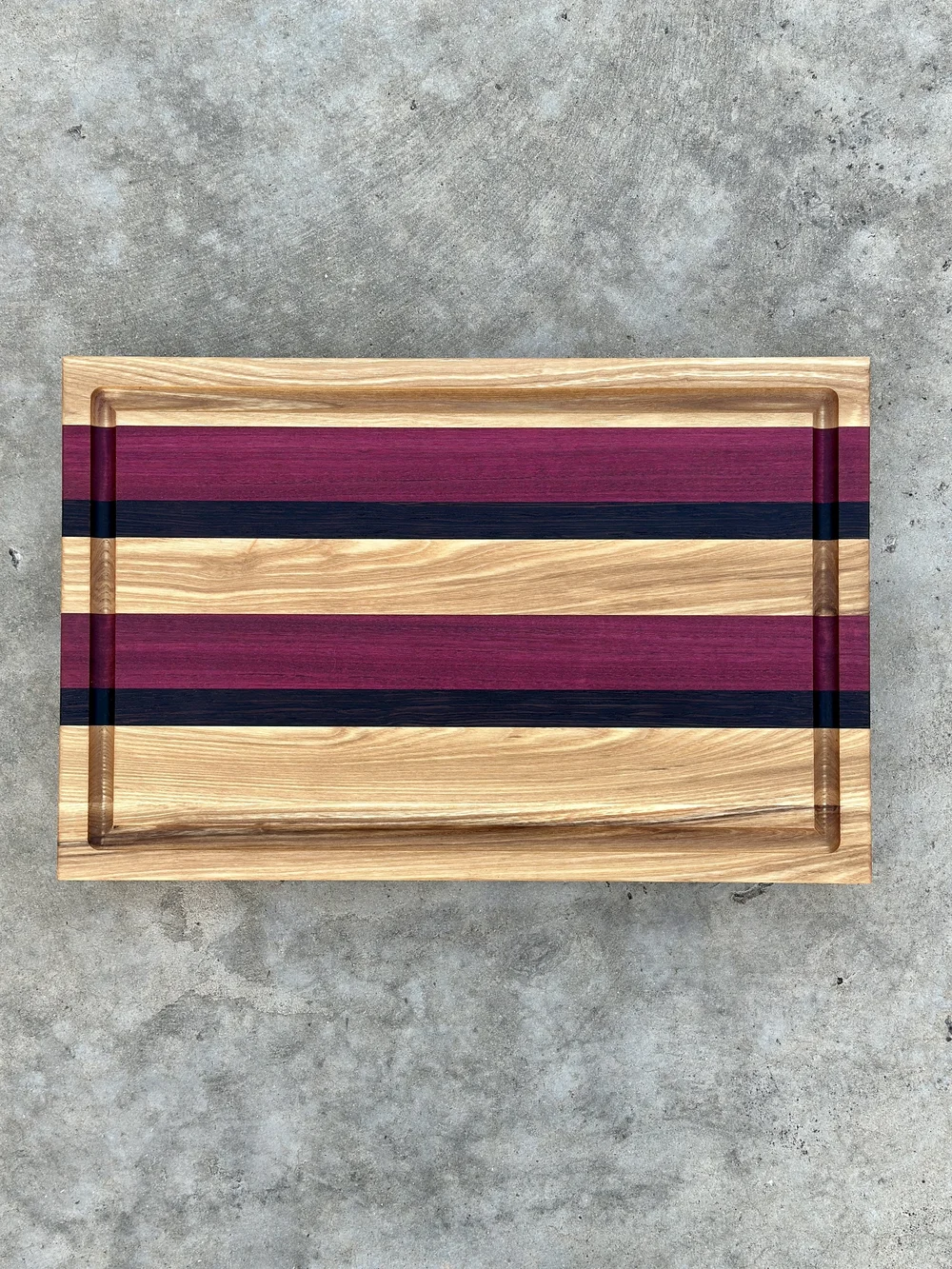
Purple Heart wood has a striking purple color when fresh. The color can deepen to a dark brown over time.
The grain is usually straight and fine, giving a smooth look. It adds a rich, exotic feel to any cutting board.
- Bright purple when freshly cut
- Darkens to brown with age
- Smooth, straight grain pattern
- Gives a unique and exotic look
Hardness And Density
Purple Heart is a very hard and dense wood. This makes it strong but can also dull knives faster.
The wood’s hardness helps resist cuts and dents. It stands up well to heavy use in the kitchen.
- High hardness and density
- Durable and resistant to wear
- Can dull knives more quickly
- Good for long-lasting cutting boards

Credit: www.goodshepherdwoodshop.com
Durability In Kitchen Use
Purple heart wood is a popular choice for cutting boards. It is known for its strength and unique color. Durability is very important in kitchen tools like cutting boards.
This wood can handle daily kitchen tasks. It stands up well to knives and other tools. Let’s look at how purple heart wood performs in key durability areas.
Resistance To Wear And Tear
Purple heart wood is very hard. This makes it good at resisting dents and scratches. It keeps its shape even after heavy use. This means your cutting board will last a long time.
- High hardness level reduces surface marks
- Strong fibers resist splitting and cracking
- Maintains smooth surface despite knife cuts
- Good for heavy chopping and slicing tasks
Water And Moisture Resistance
Purple heart wood has natural oils that help block water. This reduces the chance of swelling or warping. It is important because cutting boards often get wet during use and cleaning.
| Property | Purple Heart Wood | Common Wood |
| Water Absorption | Low | High |
| Warping Risk | Low | Medium to High |
| Drying Time | Moderate | Fast |
| Maintenance Needed | Regular oiling | More frequent oiling |
Impact On Cutting Performance
Purple heart wood is a popular choice for cutting boards. It is known for its rich purple color and durability.
This wood type offers a good balance of hardness and resilience. It can affect how knives perform when cutting on its surface.
Knife Friendliness
Purple heart is a hard wood, which means it resists deep cuts from knives. This protects the board from damage over time.
Hard woods like purple heart can dull knives faster. The wood’s density offers more resistance than softer woods.
- Protects the board from deep scratches
- May cause knives to need more frequent sharpening
- Good for users who prefer durable surfaces
Surface Maintenance
Purple heart wood is dense and less porous than many other woods. This helps it resist stains and moisture.
Regular oiling keeps the board smooth and prevents cracking. The wood may darken with use, adding to its character.
- Needs frequent oiling to maintain surface quality
- Resists water better than softer woods
- Can develop a rich patina with time and care
Credit: www.goodshepherdwoodshop.com
Aesthetic Appeal For Cutting Boards
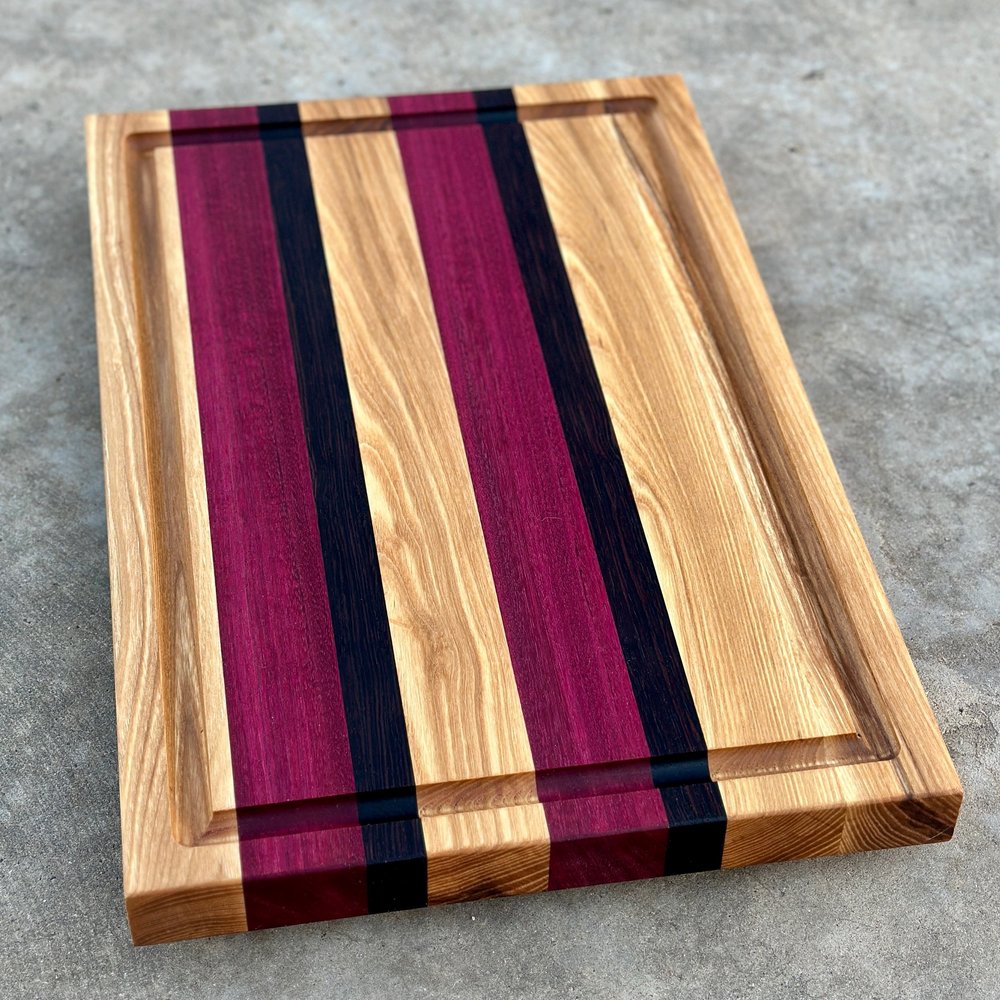
Purple Heart wood is popular for cutting boards because of its unique color and beauty. It adds a special look that many people like in their kitchen.
The wood’s natural purple shade makes cutting boards stand out. Over time, the wood changes, giving each board a unique style.
Unique Purple Hue
Purple Heart has a rich purple color that is rare in woods. This deep hue makes cutting boards look elegant and eye-catching.
The color can vary from dark purple to lighter shades, giving each board a special look. It adds a natural beauty to kitchen tools.
Aging And Patina
Over time, Purple Heart wood changes color as it is exposed to light and air. The purple shade may fade to a warmer brown tone.
This natural change gives the cutting board a smooth patina. It adds character and shows the board’s age in a nice way.
Care And Maintenance Tips
Purpleheart is a strong wood often used for cutting boards. It has a beautiful color and lasts long with proper care. Taking care of it helps keep its look and function.
Good cleaning and conditioning keep your purpleheart cutting board safe and healthy for food use. Learn simple ways to care for it.
Cleaning Methods
Clean your purpleheart cutting board after each use. Avoid soaking it in water or using harsh chemicals. Use mild soap and warm water instead.
- Wipe the board with a soft cloth and warm soapy water.
- Rinse quickly with clean water to remove soap.
- Dry immediately with a clean towel to stop warping.
- Use a diluted vinegar solution to sanitize if needed.
- Do not put purpleheart boards in the dishwasher.
Oiling And Conditioning
Oiling keeps the wood from drying and cracking. Use food-safe mineral oil or beeswax to condition your purpleheart cutting board. Apply oil regularly to keep it smooth and water-resistant.
| Conditioning Task | Recommended Frequency |
| Apply mineral oil | Once a month or when wood looks dry |
| Use beeswax polish | Every 3-4 months for extra protection |
| Deep clean and oil | Every 6 months |
Comparing Purple Heart To Other Woods
Purple Heart is a unique wood known for its rich color and durability. Many wonder if it works well for cutting boards compared to other woods.
This article compares Purple Heart with popular woods like maple and walnut, as well as some exotic hardwood options.
Maple And Walnut
Maple and walnut are common choices for cutting boards. Maple is hard and light-colored, making it easy to see cuts and stains. Walnut is slightly softer but has a rich dark color that hides marks well.
| Wood Type | Hardness (Janka) | Color | Durability |
| Maple | 1450 | Light cream | High |
| Walnut | 1010 | Dark brown | Moderate |
| Purple Heart | 2520 | Purple to brown | Very High |
Exotic Hardwood Options
Purple Heart is an exotic hardwood with a very high hardness rating. It resists dents and cuts well, but its deep purple color can fade to brown with exposure to light.
- Very dense and strong wood
- Color changes over time
- Can dull knives more than softer woods
- Needs sealing to prevent drying and cracking
Potential Drawbacks
Purple heart wood is a strong and beautiful choice for cutting boards. Still, it has some downsides you should know. These issues may affect your experience with purple heart cutting boards.
Below, we discuss two main concerns: allergic reactions and toxicity, and the availability and cost of purple heart wood.
Allergic Reactions And Toxicity
Purple heart wood can cause allergies in some people. The wood dust may irritate skin, eyes, and lungs. It may also cause rashes or breathing problems.
- Wear a mask and gloves when sanding or cutting purple heart wood.
- Avoid direct contact with the wood dust to reduce skin irritation.
- Keep the workspace well-ventilated to lower dust inhalation.
- Some people may have more severe allergic reactions and should avoid using it.
There is no strong evidence that purple heart wood is toxic when used as a cutting board. Still, it is best to avoid letting the wood come into contact with very acidic or hot foods. This can help prevent any chemical changes that might affect food safety.
Availability And Cost
| Factor | Details |
| Availability | Purple heart is not as common as other hardwoods. It can be hard to find in some areas. |
| Price | The wood tends to be more expensive due to its rarity and shipping costs. |
| Alternatives | Other woods like maple or walnut are often cheaper and easier to get. |
| Impact | Higher cost may not fit every budget for cutting boards. |
Frequently Asked Questions
Is Purple Heart Wood Safe For Cutting Boards?
Purple Heart wood is generally safe for cutting boards. It is dense and durable, making it suitable for kitchen use. However, always ensure the wood is properly treated and finished. This prevents any potential chemical exposure. Regular maintenance will also help in retaining its quality and safety.
How Durable Is Purple Heart For Cutting Boards?
Purple Heart is extremely durable and ideal for cutting boards. Its density makes it resistant to scratches and wear. This ensures a long-lasting surface for food preparation. Regular oiling maintains its appearance and functionality, providing an excellent experience in the kitchen.
Does Purple Heart Wood Stain Easily?
Purple Heart wood is less likely to stain compared to softer woods. Its dense grain structure offers resistance to liquid penetration. However, cleaning spills promptly is essential to maintain its appearance. Regular maintenance, including oiling, will also help in preserving its vibrant color and finish.
How Do You Maintain A Purple Heart Cutting Board?
To maintain a Purple Heart cutting board, clean it with mild soap and water. Avoid soaking it in water to prevent warping. Regularly oil the board to maintain its luster and prevent drying. Store it in a dry place, ensuring it remains flat to avoid any deformation.
Conclusion
Purple heart wood offers great strength for cutting boards. Its hardness helps resist deep cuts and scratches. The rich color adds beauty to your kitchen space. This wood stays durable with proper care and oiling. It is safe for food use when finished well.
A purple heart cutting board combines function and style. Consider it a solid choice for everyday kitchen tasks. Durable, attractive, and practical—purple heart wood fits well in cutting boards.