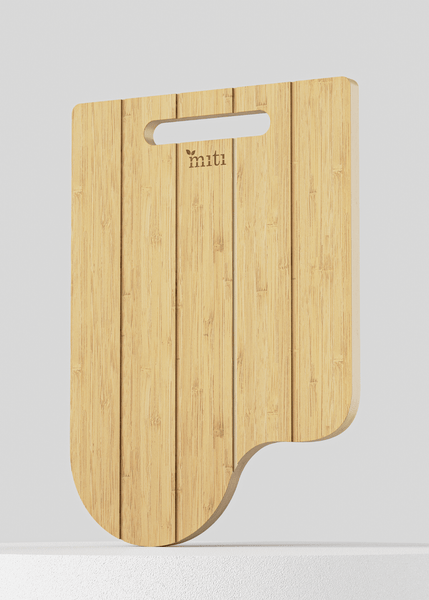
If you own a bamboo cutting board, you know it’s more than just a kitchen tool—it’s a stylish and eco-friendly choice. But how do you keep it looking fresh and lasting longer?
Caring for your bamboo cutting board the right way can make all the difference. You’ll discover simple, effective tips that protect your board from cracks, stains, and unwanted odors. Ready to make your bamboo board a kitchen favorite for years to come?
Let’s dive in and unlock the secrets to perfect care.

Credit: forest-decor.com
Cleaning Bamboo Boards
Bamboo cutting boards need careful cleaning to last long. Proper cleaning stops bacteria and keeps the board safe.
Using the right cleaning methods protects the bamboo from damage and warping. This helps the board stay smooth and strong.
Hand Washing Techniques
Always wash bamboo boards by hand. Use warm water and mild soap to clean the surface gently.
Use a soft sponge or cloth to scrub the board. Rinse well to remove all soap and food bits.
Avoiding Soaking And Dishwashers
Do not soak bamboo boards in water. Soaking makes the wood swell and crack over time.
Never put bamboo boards in the dishwasher. Heat and water can cause warping and damage the board’s surface.
Using Natural Cleaning Solutions
Natural cleaners keep bamboo boards fresh and clean without harsh chemicals. Lemon and vinegar work well to remove odors and stains.
- Rub the board with half a lemon to clean and freshen
- Wipe with a cloth soaked in white vinegar to kill germs
- Rinse with warm water after using natural cleaners
Drying And Storage
Caring for bamboo cutting boards keeps them strong and lasting. Drying and storage are key parts of this care.
Proper drying stops mold and damage. Good storage helps keep the board flat and safe.
Proper Air Drying Methods
After washing, dry your bamboo board with a clean towel. Let it air dry fully before storing.
- Place the board upright to allow air flow on both sides.
- Avoid stacking boards while wet to stop moisture buildup.
- Keep the board in a well-ventilated area away from direct sunlight.
Preventing Warping And Cracking
Bamboo boards can warp or crack if dried or stored poorly. Follow these tips to keep your board flat and smooth.
| Cause | How to Avoid |
| Excess moisture | Dry board completely before storage |
| Direct heat or sunlight | Keep board away from heaters and windows |
| Stacking heavy items | Store board alone or with light items |
| Not oiling the board | Apply mineral oil regularly to keep wood flexible |
Ideal Storage Conditions
Store your bamboo board in a dry, cool place. Avoid damp or hot spots that can damage the wood.
- Keep the board upright to prevent moisture trapping.
- Use a rack or stand for air circulation.
- Avoid closed cabinets without ventilation.
- Do not store near dishwasher or sink where humidity is high.
Maintaining Bamboo Quality
Bamboo cutting boards need care to stay strong and look good. Proper maintenance keeps them from drying out or cracking.
Using the right products and methods helps protect the bamboo and extends its life in your kitchen.
Applying Mineral Oil
Mineral oil keeps bamboo cutting boards from drying and cracking. Apply a food-safe mineral oil evenly across the surface.
- Use a clean cloth or paper towel
- Rub the oil in circular motions
- Cover all sides and edges
- Let the board absorb the oil for several hours
- Wipe off any excess oil
Frequency Of Oiling
How often you oil your bamboo board depends on use and climate. Dry areas need more frequent oiling.
| Use Level | Oiling Frequency |
| Heavy (daily use) | Once a week |
| Moderate (few times a week) | Every two weeks |
| Light (once a week or less) | Once a month |
| Dry climate | Increase by 50% |
Using Beeswax For Protection
Beeswax adds a protective layer on bamboo. It seals the wood and repels water and stains.
To apply beeswax:
- Warm the beeswax until soft
- Rub it onto the board with a soft cloth
- Allow it to set for 20 minutes
- Buff the surface to a shine

Credit: www.amazon.com
Handling Stains And Odors
Bamboo cutting boards are a natural choice for many kitchens. They need care to stay clean and fresh. Stains and smells can build up if you do not clean them well.
Learn easy ways to remove stains and get rid of bad odors. Avoid using harsh chemicals that can damage the board.
Removing Stubborn Stains
Stains on bamboo boards can be from foods like beets, berries, or spices. To clean them, use natural methods that protect the wood.
- Sprinkle baking soda on the stain.
- Rub the area gently with a damp cloth or sponge.
- Let it sit for 5 to 10 minutes.
- Rinse with warm water and dry with a towel.
Eliminating Lingering Smells
Bad smells come from strong foods like garlic or fish. Use simple home ingredients to freshen the board without damage.
| Odor Source | Freshening Method |
| Garlic | Rub with lemon half, rinse and dry |
| Fish | Sprinkle salt, scrub with vinegar, rinse |
| Onion | Wipe with baking soda paste, rinse |
Avoiding Harsh Chemicals
Strong cleaners can damage bamboo boards. Avoid bleach or ammonia. Use mild soap and natural cleaners instead.
Safe cleaning tips:
- Use warm water and mild dish soap.
- Try vinegar or lemon for odor removal.
- Do not soak the board in water for long.
- Dry the board immediately after washing.
Repairing And Refinishing
Bamboo cutting boards need care to last long. Repairing and refinishing help keep them smooth and safe.
Fixing scratches and restoring the surface make your board look new again. Knowing when to replace it is also important.
Sanding Out Scratches
Light scratches on bamboo boards can be removed by sanding. Use fine-grit sandpaper and sand in the direction of the grain.
After sanding, wipe the board with a damp cloth to remove dust. This helps prepare the surface for oiling.
Restoring Surface Smoothness
To keep your bamboo board smooth, apply mineral oil or a food-safe finish. This seals the wood and prevents cracking.
- Clean the board with warm water and mild soap.
- Dry it completely before oiling.
- Apply oil evenly using a soft cloth.
- Let the oil soak in for a few hours or overnight.
- Wipe off any extra oil before use.
When To Replace Your Board
| Sign | Reason | Action |
| Deep cracks or splits | Can harbor bacteria | Replace immediately |
| Warping or bending | Unsafe cutting surface | Replace to avoid accidents |
| Persistent stains or odors | Hard to clean thoroughly | Consider replacement |
Bamboo Board Safety Tips
Bamboo cutting boards are popular for their durability and eco-friendliness. Caring for them properly keeps your kitchen safe and clean.
Follow simple safety tips to avoid germs and damage to your bamboo boards.
Preventing Cross-contamination
Cross-contamination can spread bacteria from one food to another. Clean your bamboo board after each use to stop this.
- Wash boards with hot, soapy water after cutting raw meat or fish.
- Rinse and dry the board thoroughly before using it again.
- Use a mild bleach solution once a week to disinfect the surface.
- Store boards in a dry place to prevent mold growth.
Using Separate Boards For Different Foods
Using different boards for certain foods helps keep your kitchen safe. This practice lowers the risk of foodborne illness.
| Food Type | Recommended Board Color |
|---|---|
| Raw Meat | Red |
| Vegetables | Green |
| Cooked Food | White |
| Fish and Seafood | Blue |
Regular Inspection For Damage
Check your bamboo board often for cracks or deep cuts. These can hide bacteria and cause injuries.
- Look for deep grooves or cracks on the surface.
- If the board is damaged, sand it down or replace it.
- Keep the board smooth to make cleaning easier and safer.
- Do not soak the board in water to avoid warping.
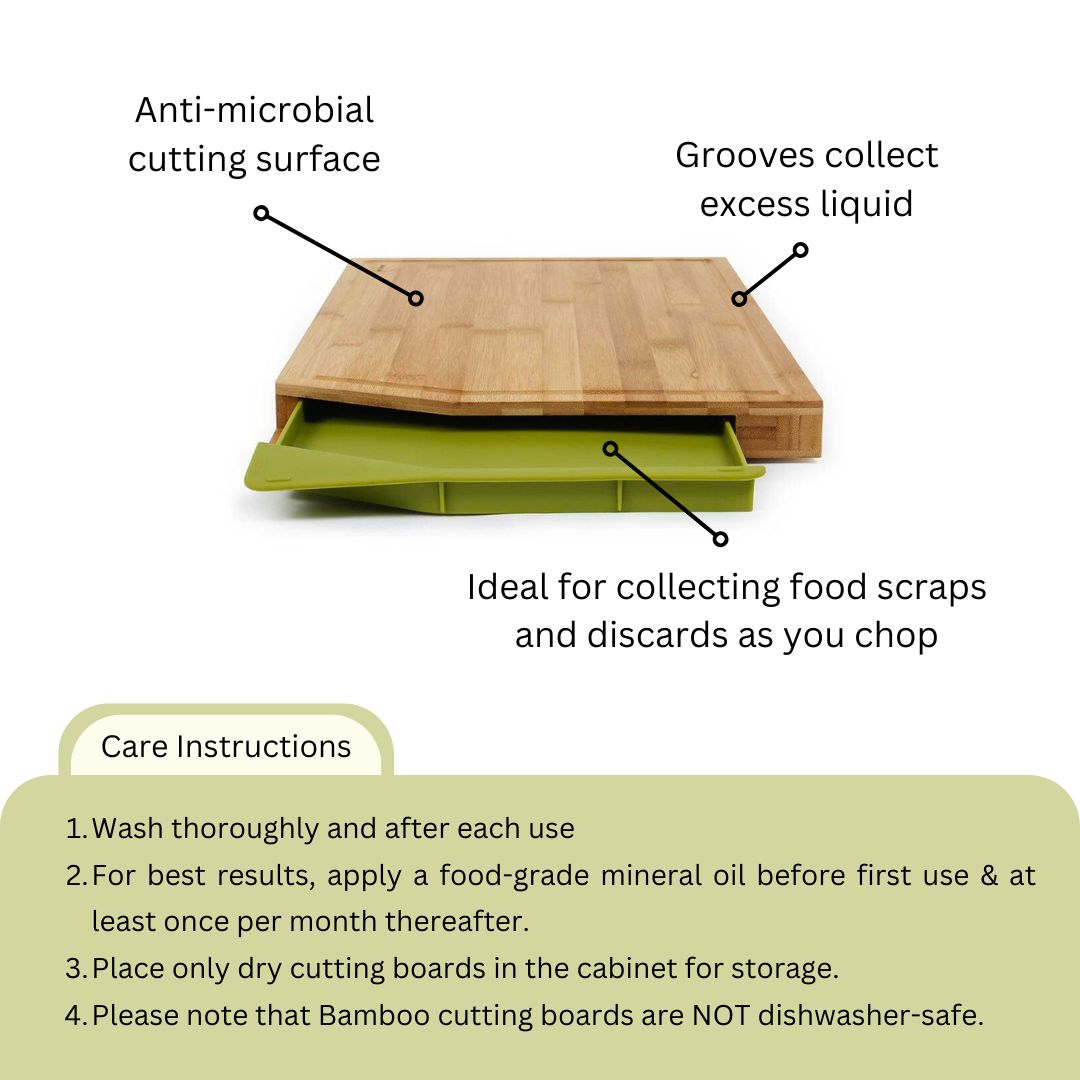
Credit: www.neoflamshop.com
Frequently Asked Questions
How Often Should You Oil Bamboo Cutting Boards?
Oil your bamboo cutting board once a month. Use food-grade mineral oil for best results. This helps prevent cracking and warping. Clean the board thoroughly before applying oil. Allow the oil to soak in overnight for maximum effectiveness.
Can Bamboo Cutting Boards Go In The Dishwasher?
No, avoid placing bamboo cutting boards in the dishwasher. High heat and water can damage the board. Hand wash with warm, soapy water instead. Dry immediately to maintain the board’s integrity. Proper care extends the board’s lifespan.
What Is The Best Oil For Bamboo Cutting Boards?
Use food-grade mineral oil for bamboo cutting boards. It’s safe and effective. Avoid vegetable oils as they can go rancid. Apply oil generously and let it absorb overnight. Regular oiling maintains the board’s quality and appearance.
How Do You Remove Odors From Bamboo Cutting Boards?
Remove odors using a mixture of lemon juice and salt. Scrub the board gently with this mixture. Rinse with warm water and dry immediately. Baking soda paste also works well for stubborn odors. Keep your board fresh with regular cleaning.
Conclusion
Caring for bamboo cutting boards keeps them strong and safe. Clean them gently with warm water and mild soap. Dry them fully to stop cracks and warping. Apply mineral oil often to keep the wood from drying out. Avoid soaking or putting them in the dishwasher.
With simple care, your bamboo board will last long. Enjoy cooking with a clean, healthy surface every day. Small habits make a big difference in board life. Take care, and your bamboo board stays beautiful and useful.