Choosing the best wood for your cutting board can make a huge difference in your kitchen. You want something that lasts long, stays safe for your food, and feels good to use every day.
But with so many options out there, how do you pick the right one? You’ll discover which woods stand out for durability, hygiene, and beauty. By the end, you’ll know exactly what to look for to find a cutting board that fits your cooking style and keeps your kitchen sharp.
Keep reading—you’re about to make your chopping experience better than ever.

Credit: oggnhome.com
Criteria For Cutting Board Wood
Choosing the best wood for a cutting board means looking at several key factors. These factors affect how well the board lasts and how safe it is to use.
Wood type impacts the board’s strength, texture, care needs, and food safety. Let’s explore these points to find the best options.
Durability And Hardness
The wood must be hard enough to resist deep cuts but not so hard that it dulls knives quickly. Durable wood lasts longer and stands up to daily use.
Hardness is measured by the Janka scale. Good cutting board woods often score in the medium range to balance durability and knife care.
Grain And Texture
Wood grain affects how easy the board is to clean and how it handles moisture. Tight, closed grain woods are better for food contact.
- Closed grain woods resist water and bacteria
- Open grain woods absorb moisture easily
- Fine texture helps prevent knife marks
- Straight grain gives a smooth cutting surface
Maintenance And Care
Some woods need more care to stay safe and clean. Regular oiling helps prevent cracks and warping. Avoid woods that require complex upkeep.
| Wood Type | Care Needed | Resistance to Warping |
| Maple | Oil monthly | High |
| Bamboo | Wash and dry well | Medium |
| Walnut | Oil regularly | High |
| Teak | Oil less often | Very High |
Safety And Food Contact
The wood must be safe for food use. It should not contain toxins or chemicals. Natural antimicrobial properties are a plus.
Safe cutting board woods:
- Are non-toxic and free from harmful finishes
- Have natural resistance to bacteria
- Do not stain or retain odors easily
Top Hardwood Choices
Choosing the right wood for a cutting board is important. Hardwoods are strong and safe for food use.
Hardwoods resist knife marks and last a long time. They also keep bacteria out better than soft woods.
Maple
Maple is a very popular choice for cutting boards. It is hard and durable, so it handles daily use well.
Its tight grain keeps out moisture and bacteria. Maple boards look light in color and clean.
Walnut
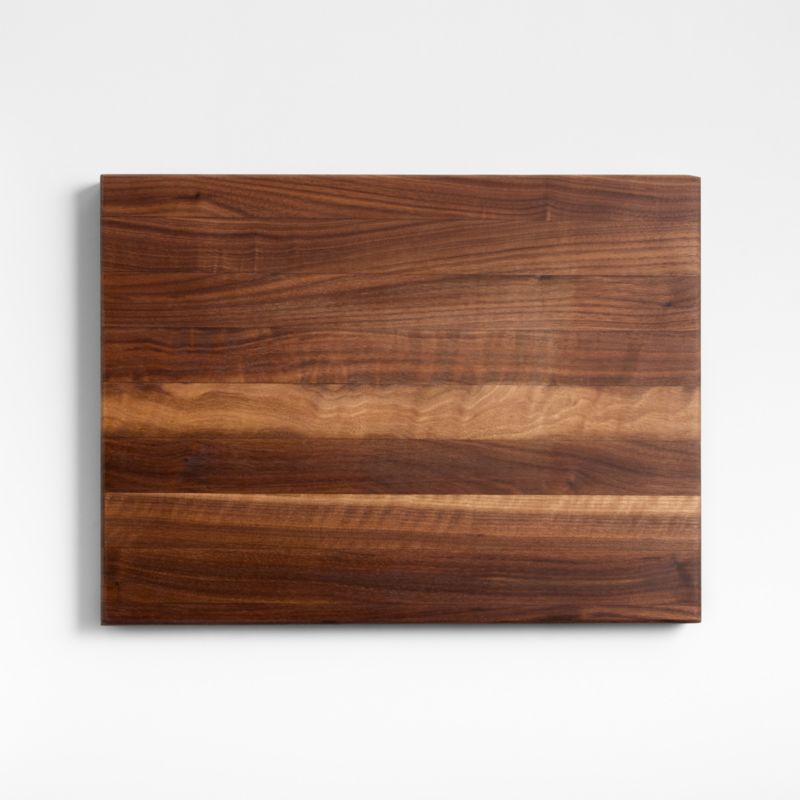
Walnut is a darker hardwood with a rich brown color. It is tough and resists scratches.
Walnut boards have a smooth surface. They are gentle on knives and look elegant in kitchens.
Cherry
Cherry wood has a warm reddish tone. It is hard enough to protect against knife cuts.
Cherry ages well and becomes richer in color over time. It is a good choice for stylish cutting boards.
Popular Softwood Options
Softwood cutting boards are lighter and easier to handle. They can be a good choice for light kitchen tasks.
Some softwoods are popular because they have a pleasant smell and natural resistance to moisture.
Cedar
Cedar wood is soft and has a nice aroma. It resists moisture well and is less likely to crack.
This wood is gentle on knives but can show cuts quickly. It is best for light use or serving boards.
- Lightweight and easy to clean
- Natural resistance to moisture
- Soft texture protects knife edges
- May show cuts and scratches faster
Pine
Pine is another softwood option. It is affordable and widely available.
This wood is gentle on knives but can dent easily. Pine cutting boards need more care to last longer.
- Affordable and easy to find
- Soft surface is good for knives
- Prone to dents and scratches
- Needs regular oiling to prevent damage
Exotic And Unique Woods
Choosing the best wood for a cutting board matters for durability and safety. Exotic woods offer unique beauty and strength.
These woods stand out because of their color, grain, and natural oils. They can resist moisture and damage better than some common woods.
Teak
Teak is a tropical hardwood known for its rich color and oily texture. It resists water and bacteria well, making it a great choice for cutting boards.
Its natural oils protect the wood and help it last a long time without warping or cracking.
Bamboo
Bamboo is not technically wood but a fast-growing grass. It is hard and eco-friendly. Bamboo cutting boards resist stains and cuts well.
- Lightweight and easy to clean
- Does not dull knives quickly
- Renewable and sustainable resource
- Less prone to bacteria buildup
Acacia
Acacia wood has a striking grain pattern and deep color. It is dense and durable, which makes it perfect for heavy kitchen use.
| Feature | Details |
| Durability | High resistance to scratches and dents |
| Maintenance | Requires regular oiling to keep wood healthy |
| Appearance | Rich, dark tones with unique grain |
| Water Resistance | Moderate; should not soak in water |
Comparing Wood Types
Choosing the best wood for a cutting board means looking at different wood types. Each wood has unique qualities that affect durability and care.
Common woods used include maple, walnut, cherry, and bamboo. Knowing their strengths and weaknesses helps pick the right board.
Pros And Cons
Maple is very hard and resists knife marks well. Walnut is softer but gentle on knives. Cherry has a nice color but dents easier. Bamboo is eco-friendly but can split.
- Maple:Durable, easy to clean, but can be pricey.
- Walnut:Beautiful color, softer, may show cuts.
- Cherry:Warm tone, less hard, needs more care.
- Bamboo:Renewable, light, may crack over time.
Price And Availability
Maple boards often cost more because the wood is dense and long-lasting. Walnut tends to be more expensive due to its rich color.
Bamboo is usually cheaper and widely available. Cherry falls in the middle price range and is easy to find.
| Wood Type | Price Range | Availability |
|---|---|---|
| Maple | Medium to High | Common |
| Walnut | High | Less Common |
| Cherry | Medium | Common |
| Bamboo | Low | Very Common |
Aesthetic Appeal
Walnut has a dark, rich color that looks very elegant. Maple is light and clean, fitting many kitchen styles.
Cherry offers a warm red tone that deepens with age. Bamboo has a natural, striped look that many find attractive.
- Walnut: Dark, elegant, stands out.
- Maple: Light, classic, versatile.
- Cherry: Warm, inviting, changes color.
- Bamboo: Unique grain, natural, modern.
Credit: www.forbes.com
Tips For Choosing Your Cutting Board Wood
Picking the right wood for your cutting board is important. The type of wood affects how well your board works and lasts.
Look at your cooking habits and needs before choosing. The wood should match how you use your board.
Consider Your Cooking Style
Your cooking style helps decide the best wood. Some woods hold up better for heavy use. Others are softer for light tasks.
- For chopping meat, use hard woods like maple or walnut.
- For slicing fruits, softer woods like cherry work well.
- For frequent use, choose wood that resists cuts and scratches.
- If you use knives often, pick a wood that protects blade edges.
Evaluate Maintenance Needs
Different woods need different care. Some require oiling often to stay healthy. Others clean easily but may wear faster.
| Wood Type | Care Needed | Durability |
| Maple | Oil monthly | High |
| Bamboo | Wipe clean, oil occasionally | Medium |
| Walnut | Oil monthly | High |
| Cherry | Oil every 2 months | Medium |
Check For Sustainability
Choose wood that comes from sustainable sources. This helps protect forests and the environment.
Look for these signs of sustainability:
- Wood certified by the Forest Stewardship Council (FSC)
- Locally sourced materials
- Wood from fast-growing trees like bamboo
- Reclaimed or recycled wood options
Care And Maintenance For Longevity
Choosing the best wood for a cutting board is only part of the process. Proper care helps keep the board strong and safe.
Good maintenance can stop cracks, stains, and warping. This extends the life of your cutting board.
Cleaning Techniques
Clean your cutting board right after use. This stops bacteria and smells from building up.
Use warm water and mild soap. Avoid soaking the board or using strong chemicals.
- Wash with a soft sponge or cloth
- Rinse well with warm water
- Dry with a towel immediately
- Stand the board upright to air dry
Oiling And Conditioning
Oiling your cutting board keeps the wood from drying out and cracking. It also helps seal the surface.
Use food-safe mineral oil or beeswax conditioner. Apply oil regularly to keep the board smooth and water-resistant.
- Apply oil with a clean cloth
- Cover all surfaces evenly
- Let the oil soak in for a few hours
- Wipe off any extra oil
- Oil the board once a month or as needed
Avoiding Common Damages
Protect your cutting board from damage by using it properly. Avoid actions that can cause cracks or stains.
Do not put the board in the dishwasher or leave it soaking in water. Do not cut on it with very sharp or serrated knives only.
- Never use harsh chemicals or bleach
- Avoid exposing the board to extreme heat
- Do not leave food on the board for a long time
- Use both sides of the board to prevent warping
- Sand lightly if the surface gets rough
Credit: www.crateandbarrel.ca
Frequently Asked Questions
What Wood Is Safest For Cutting Boards?
Maple is the safest wood for cutting boards. It is hard, non-porous, and resists bacteria growth. Its tight grain prevents deep knife cuts, making it hygienic and durable for kitchen use.
Why Is Hardwood Better For Cutting Boards?
Hardwood is better because it is dense and durable. It resists knife marks and bacteria. Softwoods can absorb moisture and harbor germs, making hardwoods like maple, walnut, or cherry ideal for cutting boards.
Can Bamboo Be Used For Cutting Boards?
Yes, bamboo is a popular cutting board material. It is eco-friendly, hard, and resists moisture well. Bamboo boards are lightweight, durable, and naturally antibacterial, but they require regular oiling to prevent cracking.
How Does Wood Type Affect Cutting Board Maintenance?
Different woods require different care. Hardwoods like maple need regular oiling to stay smooth. Softer woods may wear faster and trap bacteria. Proper maintenance extends a cutting board’s life and keeps it safe for food prep.
Conclusion
Choosing the best wood for a cutting board matters a lot. Hardwoods like maple, walnut, and cherry work well. They resist scratches and stay safe for food. Soft woods may wear out quickly or hold bacteria. Regular cleaning and oiling keep boards in good shape.
A good cutting board lasts many years. Pick one that fits your kitchen and needs. Enjoy cooking with a board that is strong and safe. Simple care makes a big difference over time.