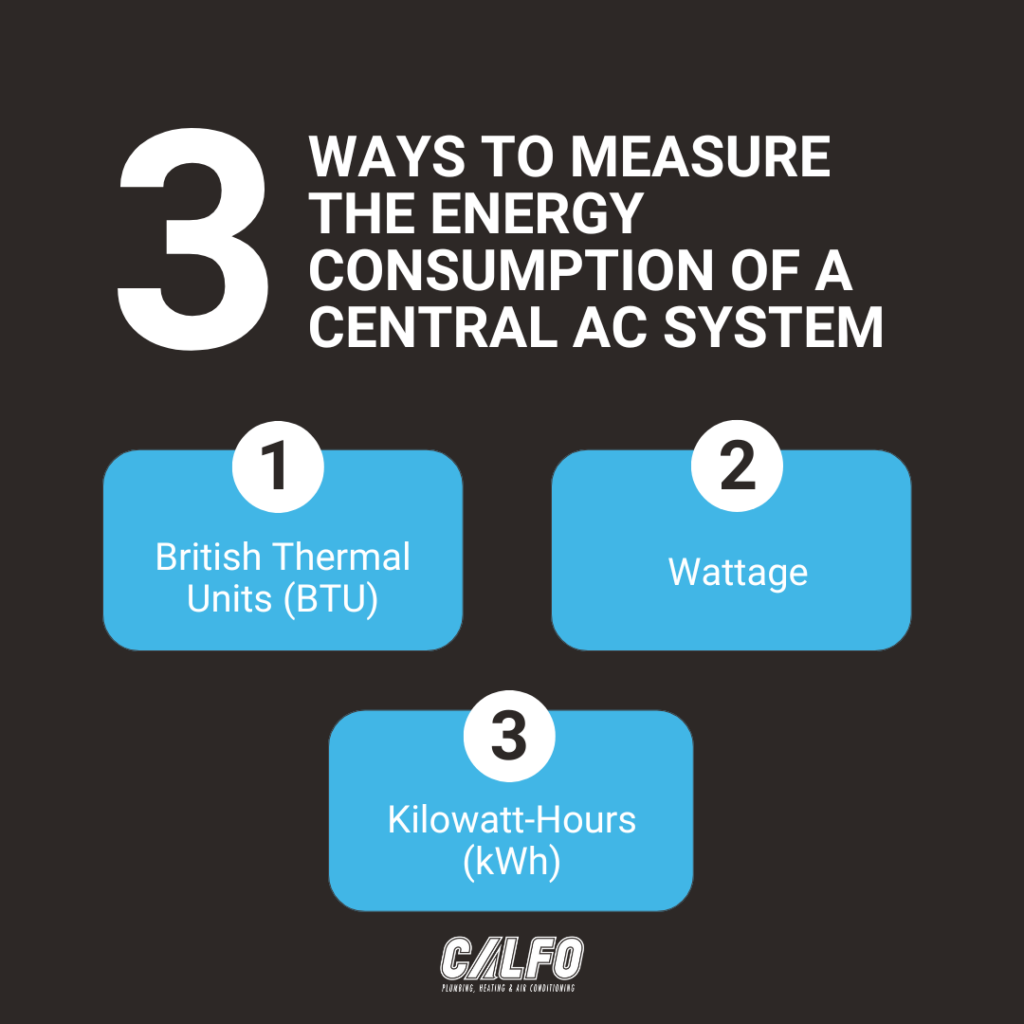
Wondering how many kilowatts per hour your air conditioner uses? You’re not alone.
Understanding this can help you save money on your energy bills and make smarter choices about cooling your home. You’ll discover the key factors that affect your AC’s power use and simple tips to keep it running efficiently. Keep reading to take control of your energy costs and stay cool without surprises.
Air Conditioner Power Basics
Kilowatt per hour(kWh) means how much power an air conditioner uses in one hour. It shows energy used to cool a room. The higher the kWh, the more electricity it needs.
Different types of air conditionersuse different amounts of power. Window units usually use less power than central air systems. Portable ACs can use more energy because they are smaller but less efficient.
Power usagedepends on many things:
- Size of the room
- Temperature outside
- Set temperature inside
- Energy efficiency of the unit
- How long the AC runs
| Type of AC | Approximate Power Use (kWh) |
|---|---|
| Window Unit | 0.5 – 1.5 kWh |
| Portable AC | 0.8 – 2.0 kWh |
| Split System | 1.0 – 3.5 kWh |
| Central Air | 3.0 – 5.0 kWh |

Credit: au.jackery.com
Calculating Kilowatts Used
The energy labelon an air conditioner shows its power use. It tells how many kilowatts (kW) the unit uses per hour.
The formulato calculate power consumption is simple:
- Power (kW) × Time (hours) = Energy used (kWh)
For example, if an air conditioner runs at 1.5 kW for 3 hours:
| Power (kW) | Time (hours) | Energy Used (kWh) |
|---|---|---|
| 1.5 | 3 | 4.5 |
This means the air conditioner uses 4.5 kilowatt-hoursof energy in 3 hours.
Energy Efficiency Ratings
SEER(Seasonal Energy Efficiency Ratio) and EER(Energy Efficiency Ratio) measure an air conditioner’s efficiency. SEER shows efficiency over a cooling season, while EER measures at a specific temperature. Higher SEER or EER means less electricity use.
Efficient models use fewer kilowatts per hour. This saves money and reduces energy waste. Choosing an air conditioner with a high SEER or EER rating helps lower your electric bill.
- SEER is best for yearly energy use comparison.
- EER is good for peak temperature performance.
- Look for models with SEER above 14 for good efficiency.
- Energy Star certified units usually have better ratings.

Credit: www.reddit.com
Daily And Monthly Usage Estimates
Air conditioners usually run 4 to 8 hours dailyduring hot months. The exact time depends on your local climate and home insulation. Cooler seasons need less running time, sometimes under 2 hours.
Usage changes with the seasons. Summer months use the most energy. Spring and fall require less cooling, so costs drop. Winter often means no use at all.
| Season | Average Daily Running Hours | Estimated Monthly kWh Usage |
|---|---|---|
| Summer | 6 – 8 hours | 180 – 240 kWh |
| Spring/Fall | 2 – 4 hours | 60 – 120 kWh |
| Winter | 0 – 1 hour | 0 – 30 kWh |
Monthly costs depend on your electricity rate and usage. For example, if your air conditioner uses 2 kW per hourand runs 6 hours daily, it uses 12 kWh daily. Multiply by your rate to find monthly cost.
Ways To Reduce Power Consumption
Regular cleaningof air filters keeps your AC running efficiently. Check and replace filters every month during heavy use. Clean coils and fins help the unit cool better and use less energy. Clear debris around the unit to improve airflow.
Smart thermostatslearn your schedule and adjust temperatures automatically. They prevent overcooling and reduce power use. You can control them remotely using a phone app. This helps save energy even when you are away.
Good home insulationstops cool air from escaping. Seal gaps around windows and doors to keep the house cooler. Use curtains or blinds to block sunlight during hot days. Proper insulation lowers the workload on your air conditioner.
Credit: thefurnaceoutlet.com
Comparing Air Conditioner Types
Window unitsare easy to install and cool small rooms well. They usually use about 0.7 to 1.5 kWhper hour. Split units are quieter and better for bigger spaces. They use around 1 to 2 kWhper hour depending on size.
Portable air conditioners are flexible and can move from room to room. They tend to use more energy, about 1 to 2.5 kWhper hour. Central systems cool whole houses but use a lot of power, typically 3 to 5 kWhper hour or more.
| Type | Energy Use (kWh per hour) | Best For |
|---|---|---|
| Window Unit | 0.7 – 1.5 | Small rooms |
| Split Unit | 1 – 2 | Medium to large rooms |
| Portable Unit | 1 – 2.5 | Flexible use in different rooms |
| Central System | 3 – 5+ | Whole house cooling |
Impact Of Climate And Usage Patterns
Temperature settingsgreatly affect an air conditioner’s power use. Cooler settings use more energy. Each degree lower can increase consumption by about 6-8%. Setting the thermostat to a moderate temperature saves power.
Humidity makes the air conditioner work harder. High humidity means the unit must remove extra moisture. This process increases energy use. Using a dehumidifier separately can sometimes be more efficient.
- Run the air conditioner only when needed.
- Close doors and windows to keep cool air inside.
- Use fans to circulate air and reduce cooling needs.
- Set timers or use smart controls to limit operation time.
Future Trends In Ac Energy Use
Emerging technologiesare making air conditioners more energy efficient. New models use better compressors and cooling methods. This helps reduce power consumptionand saves money on bills.
Renewable energy integrationis growing. Solar panels and wind turbines can now power air conditioners. This lowers the carbon footprint and cuts energy costs.
Smart home compatibilityallows AC units to connect with devices like phones and voice assistants. Users can control temperature remotely, improving energy useand comfort.
Frequently Asked Questions
How Many Kilowatts Does Ac Use Per Hour?
The average air conditioner uses between 1 to 5 kilowatts per hour. The exact usage depends on the unit’s size and efficiency. Larger units or older models typically consume more energy. Checking the AC’s energy label can give specific details about its kilowatt usage.
What Factors Affect Ac Energy Consumption?
Several factors influence an AC’s energy consumption. These include the unit’s size, age, and efficiency rating. External temperature, insulation quality, and thermostat settings also play a role. Regular maintenance can improve efficiency and reduce energy use.
How Can I Reduce My Ac’s Energy Usage?
To reduce your AC’s energy usage, set the thermostat higher when possible. Use ceiling fans to circulate air and improve comfort. Ensure windows and doors are sealed properly to prevent cool air from escaping. Regularly clean or replace air filters for optimal performance.
Is A Higher Seer Rating Better For Energy Use?
Yes, a higher SEER (Seasonal Energy Efficiency Ratio) rating indicates better energy efficiency. Units with higher SEER ratings consume less electricity for the same cooling output. Investing in a high-SEER AC can result in lower energy bills over time.
Conclusion
Air conditioners use different kilowatts per hour based on size and settings. Smaller units use less power, while bigger ones need more. Running the AC at lower settings saves energy and cuts costs. Knowing your AC’s power use helps plan your electricity budget.
Regular maintenance keeps your unit efficient and reduces power use. Understanding these points helps you stay cool without wasting energy. Keep these tips in mind for smarter energy use and lower bills. Simple steps make a big difference in your home comfort.