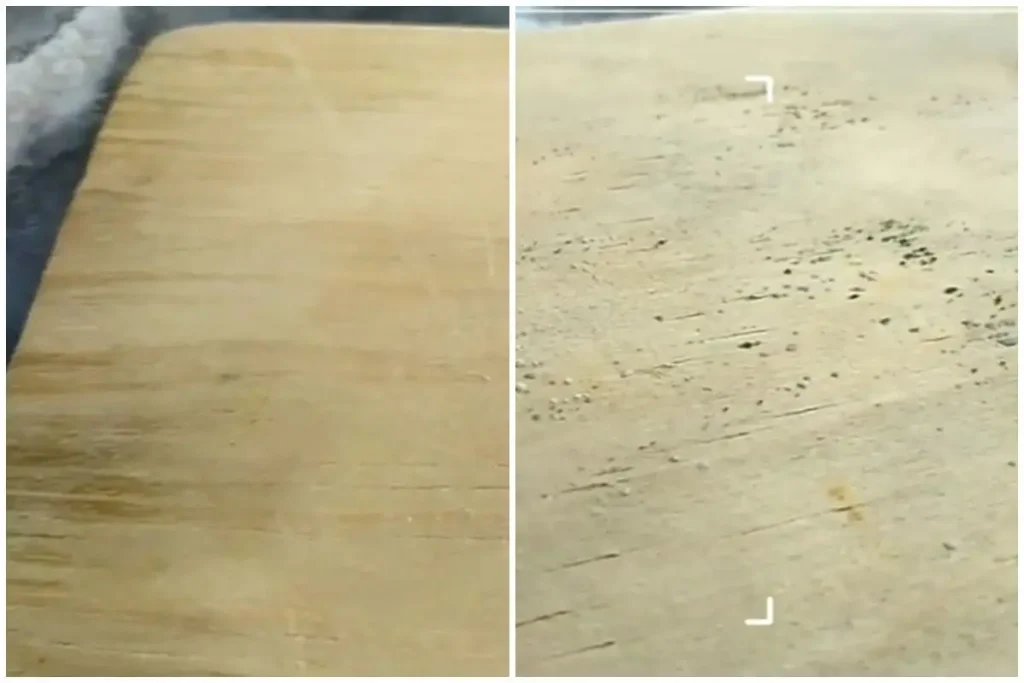
Is your wooden cutting board showing signs of mold? Don’t worry—you’re not alone, and you can fix this quickly.
Mold on wood can be stubborn and unsafe if ignored, but with the right steps, you can bring your cutting board back to life. You’ll discover simple, effective ways to remove mold and keep your board clean and safe for your next meal.
Keep reading, and say goodbye to mold for good!
Causes Of Mold On Wood Boards
Mold often grows on wood cutting boards due to certain conditions. Understanding these causes helps prevent mold growth. Wood is porous and can absorb moisture.
When moisture stays on the board, it creates a perfect place for mold to develop. Other factors also contribute to this issue.
Moisture And Humidity
Wood cutting boards can trap water inside their pores. High humidity in the kitchen increases this problem. Mold spores need moisture to grow.
- Leaving the board wet after washing
- Using the board without drying it fully
- Storing the board in a humid environment
- Cutting wet or juicy foods without cleaning
Improper Cleaning
Not cleaning the wood board properly allows mold to grow. Food particles and moisture stay on the surface and inside cracks. Using the wrong cleaning methods can worsen the problem.
| Cleaning Mistake | Effect on Mold Growth |
| Rinsing only with water | Leaves food residue and moisture |
| Using harsh chemicals | Damages wood and traps moisture |
| Not drying after washing | Creates damp conditions for mold |
| Skipping regular deep cleaning | Allows mold spores to settle |
Storage Conditions
How you store your wood cutting board affects mold growth. Poor air circulation and damp places increase moisture. Storing the board flat on a wet surface can trap water underneath.
Tips for better storage:
- Store the board upright to air dry
- Keep it in a dry, well-ventilated area
- Avoid stacking with other wet kitchen items
- Use a clean cloth to cover the board if needed

Credit: qlycheecrafts.com
Signs Of Mold Growth
Mold can grow on wood cutting boards if they stay wet or dirty. It is important to spot mold early to keep your board safe.
Look for clear signs to know if mold is present. These signs include what you see and what you smell.
Visual Indicators
Mold often appears as fuzzy or slimy spots on the wood. It can be many colors like white, green, black, or blue.
- Small dark spots or patches on the surface
- White or gray fuzzy growth in cracks
- Discolored areas that look damp
- Surface feels sticky or slimy
- Wood starts to look worn or damaged
Odor Detection
Mold has a strong, musty smell that is easy to notice. If your cutting board smells bad, it could have mold.
| Type of Smell | Description |
| Musty | Like wet clothes left in a pile |
| Earthy | Similar to damp soil or leaves |
| Sour | Sharp, unpleasant odor |
| Stale | Old and unpleasant air |
Safety Precautions
Removing mold from a wood cutting board needs care. Mold can cause health problems if you do not protect yourself.
Follow safety steps to clean your board safely and avoid breathing mold spores or touching them.
Protective Gear
Wear protective gear to keep mold away from your skin and lungs. This lowers the chance of allergy or infection.
Use gloves, masks, and eye protection before you start cleaning.
- Wear rubber or latex gloves to protect your hands.
- Use a mask, like an N95, to avoid breathing mold spores.
- Wear safety glasses to stop mold from getting into your eyes.
Ventilation Tips
Work in a well-ventilated area. Fresh air helps reduce mold spores in the air.
Open windows and doors or use fans to move air while you clean.
- Open nearby windows to let fresh air in.
- Turn on fans to push air outside.
- Avoid cleaning in small, closed rooms with no airflow.

Credit: victoryrelax.com
Cleaning Methods
Mold on a wood cutting board can be unhealthy and smelly. Cleaning it well helps keep your kitchen safe. Use natural ingredients to clean mold without harming the wood.
Below are simple ways to remove mold using items you may have at home. Each method uses safe, effective cleaning steps.
Vinegar And Baking Soda
White vinegar kills mold and bacteria on wood. Baking soda helps scrub and deodorize the board. This combo cleans deeply without chemicals.
- Pour white vinegar over the moldy area.
- Let it sit for 5 minutes to kill mold spores.
- Sprinkle baking soda on the board.
- Use a scrub brush to clean the surface gently.
- Rinse with warm water and dry completely.
Hydrogen Peroxide Solution
Hydrogen peroxide removes mold and lightens stains on wood. It is safe if used in low concentration and helps clean hard-to-reach areas.
| Material | Amount |
| 3% Hydrogen Peroxide | 1 cup |
| Water | 1 cup |
Mix the hydrogen peroxide and water in a spray bottle. Spray the board and leave for 10 minutes. Wipe clean with a damp cloth and dry well.
Lemon And Salt Scrub
Lemon juice is natural acid that kills mold. Salt works as a rough scrub to remove it from wood grain. This method also freshens the board.
To clean with lemon and salt:
- Cut a lemon in half.
- Sprinkle coarse salt over the moldy area.
- Rub the lemon half over the salt and board surface.
- Let sit for 5 minutes to soak.
- Rinse with warm water and dry thoroughly.
Deep Cleaning Techniques
Mold on wood cutting boards can cause health issues. Deep cleaning removes mold and keeps the board safe to use.
There are effective ways to clean mold deeply. These methods restore your cutting board’s surface.
Sanding The Surface
Sanding removes mold from the wood’s surface. Use fine sandpaper for best results.
Sand evenly to avoid damaging the board. Clean dust off after sanding.
- Choose 120 to 220 grit sandpaper
- Sand in the direction of the wood grain
- Wear a mask to avoid breathing dust
- Wipe board with a damp cloth after sanding
Using Bleach Safely
Bleach kills mold spores on wood cutting boards. Use a diluted bleach solution to avoid damage.
Rinse the board well after bleaching. Dry it completely to prevent new mold growth.
- Mix 1 tablespoon bleach with 1 cup water
- Apply solution with a clean cloth
- Let it sit for 5 minutes
- Rinse board with warm water
- Dry board in sunlight or a dry place

Credit: branchbasics.com
Drying And Maintenance
Removing mold from a wood cutting board is only the first step. Proper drying and maintenance keep it safe and clean.
Following simple drying and care tips helps prevent mold from coming back. It also extends the life of your board.
Proper Drying Practices
After washing, dry the cutting board quickly. Avoid leaving it wet or soaking in water.
Stand the board upright or lean it against a wall. This lets air flow around all sides.
- Wipe off excess water with a clean towel
- Place the board in a well-ventilated area
- Do not put the board flat on a wet surface
- Let it dry completely before storing
Regular Oiling
Oiling your wood cutting board prevents it from drying out and cracking. It also stops moisture from getting inside.
Use food-safe mineral oil or cutting board oil. Apply it every few weeks or after deep cleaning.
- Pour oil on the board’s surface
- Spread it evenly with a cloth or paper towel
- Let the oil soak in for several hours or overnight
- Wipe off any extra oil before use
Storage Recommendations
Store your cutting board where it can stay dry and get air circulation. Avoid damp or closed spaces.
Keep the board standing or on a rack. This helps prevent mold and warping.
- Do not stack wet boards together
- Keep away from sinks or dishwashers
- Use a clean, dry place with good airflow
- Check the board regularly for mold or damage
Preventing Future Mold
Keeping your wood cutting board free from mold starts with good care. Mold grows in damp, dirty places. You can stop it by cleaning and drying your board well.
Here are ways to protect your cutting board and keep it safe for food use.
Routine Cleaning Schedule
Clean your cutting board after every use. This removes food bits that mold likes to grow on.
- Wash with hot, soapy water
- Scrub with a brush or sponge
- Rinse well and dry completely
- Use vinegar or lemon to disinfect weekly
- Check for cracks and replace if needed
Avoiding Prolonged Moisture
Water left on wood invites mold. Dry your board right after washing. Do not leave it soaking or in a damp place.
| Do | Don’t |
|---|---|
| Wipe dry with a towel | Let board air-dry in a wet pile |
| Store upright to air out | Stack with wet items on top |
| Use a fan or sunlight to dry | Keep in a closed, humid cabinet |
Using Food-safe Sealants
Sealants protect wood from water and mold. Use ones safe for food contact. They keep the wood strong and clean.
- Apply mineral oil regularly
- Try beeswax for extra protection
- Avoid toxic or scented oils
- Reapply after deep cleaning or sanding
- Follow product instructions carefully
Frequently Asked Questions
How Do I Clean Mold Off A Cutting Board?
To clean mold from a wood cutting board, use a mixture of vinegar and water. Scrub the board with a brush. Rinse thoroughly with hot water and dry with a clean towel. This method effectively kills mold spores and prevents future growth.
Can Mold Damage Wooden Cutting Boards?
Yes, mold can damage wooden cutting boards by penetrating the wood fibers. This weakens the structure and causes unpleasant odors. Regular cleaning and maintenance can prevent mold from forming and ensure the longevity of your cutting board.
Is Vinegar Effective For Mold Removal?
Yes, vinegar is effective for mold removal on wood cutting boards. Its acidic nature kills mold spores and removes odors. Apply vinegar directly to the board, scrub, and rinse with water to ensure complete removal.
How Often Should I Clean My Cutting Board?
Clean your wooden cutting board after every use to prevent mold and bacteria growth. Regular cleaning with vinegar or lemon juice helps maintain hygiene. Deep clean monthly to ensure it’s mold-free and safe for food preparation.
Conclusion
Removing mold from a wood cutting board is simple with the right steps. Clean the board thoroughly and dry it well. Use natural ingredients like vinegar and baking soda to kill mold safely. Regular care keeps your board fresh and safe to use.
Don’t let mold grow; act quickly to protect your kitchen tools. A clean cutting board means healthier meals and less waste. Keep your board dry and store it properly to avoid mold return. A little effort goes a long way in keeping wood cutting boards mold-free.