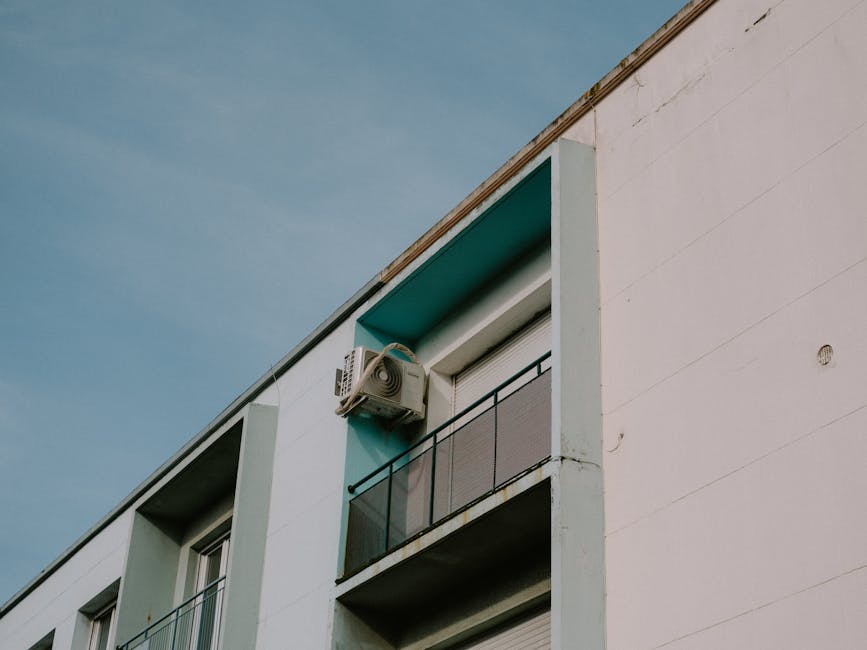
Have you ever noticed your air conditioner suddenly stop cooling and see ice forming on its coils? It’s frustrating, especially when you rely on your AC to keep your home comfortable.
But why does your air conditioner freeze up in the first place? Understanding the reasons behind this common problem can help you fix it quickly and prevent it from happening again. Keep reading to discover the surprising causes and simple solutions that will keep your AC running smoothly all summer long.
Common Causes Of Ac Freeze Up
Restricted airflowcauses the AC coil to get too cold and freeze. This happens when air can’t move freely. Common reasons include blocked ventsor closed registers. Low refrigerant levelsmake the coil temperature drop below freezing. This causes ice to build up on the coils. Dirty air filtersblock airflow and trap dust on the coils. This reduces heat exchange and causes freezing. Thermostat problemscan make the AC run too long or too cold, leading to ice formation. Drainage blockagesstop water from leaving the system. Water then freezes on the coil or drip pan.
- Blocked vents reduce airflow.
- Low refrigerant cools coils too much.
- Dirty filters trap dust and block air.
- Thermostat errors cause overcooling.
- Drain clogs lead to water freezing.
Credit: www.angi.com
Signs Your Ac Is Freezing
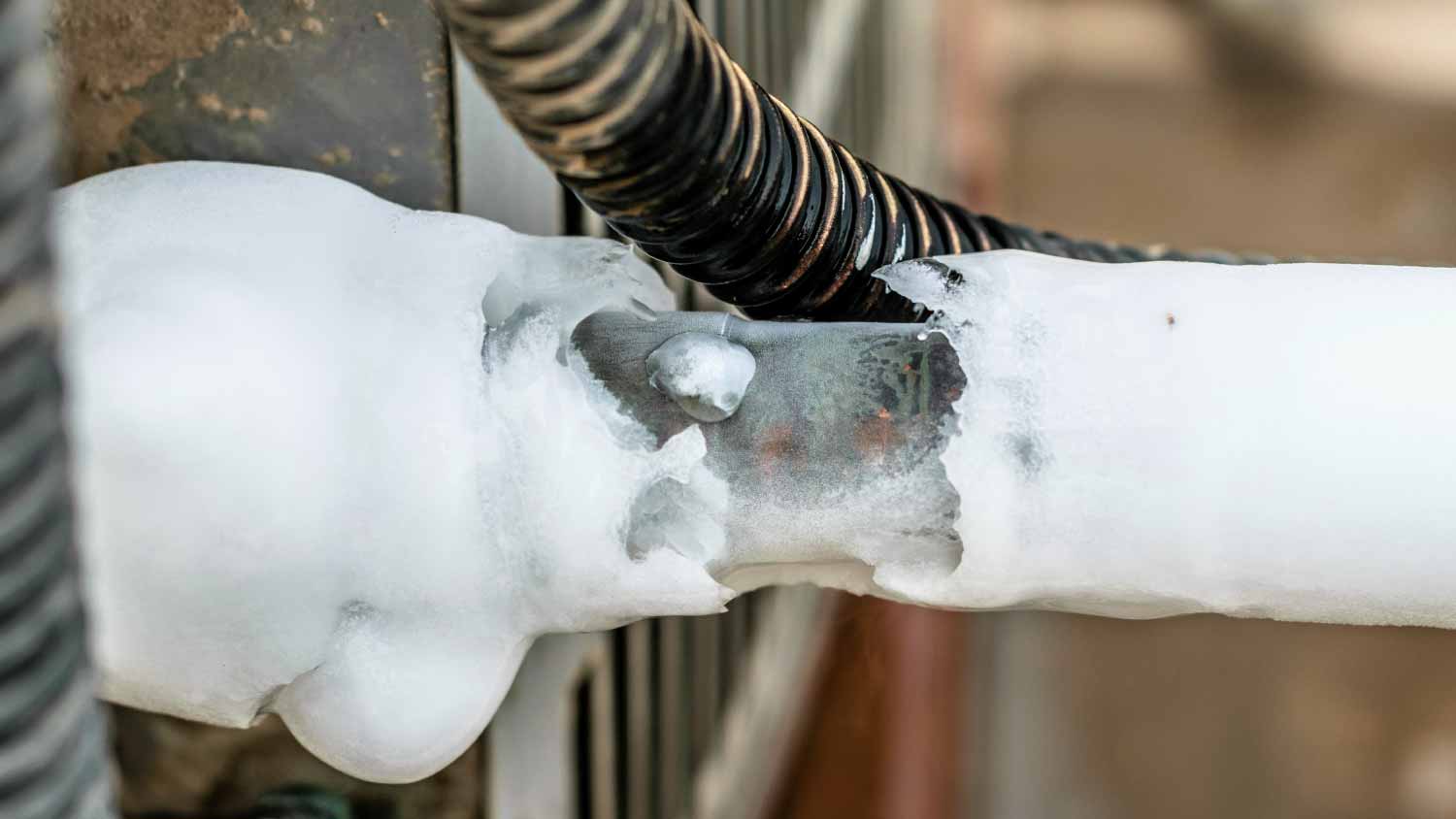
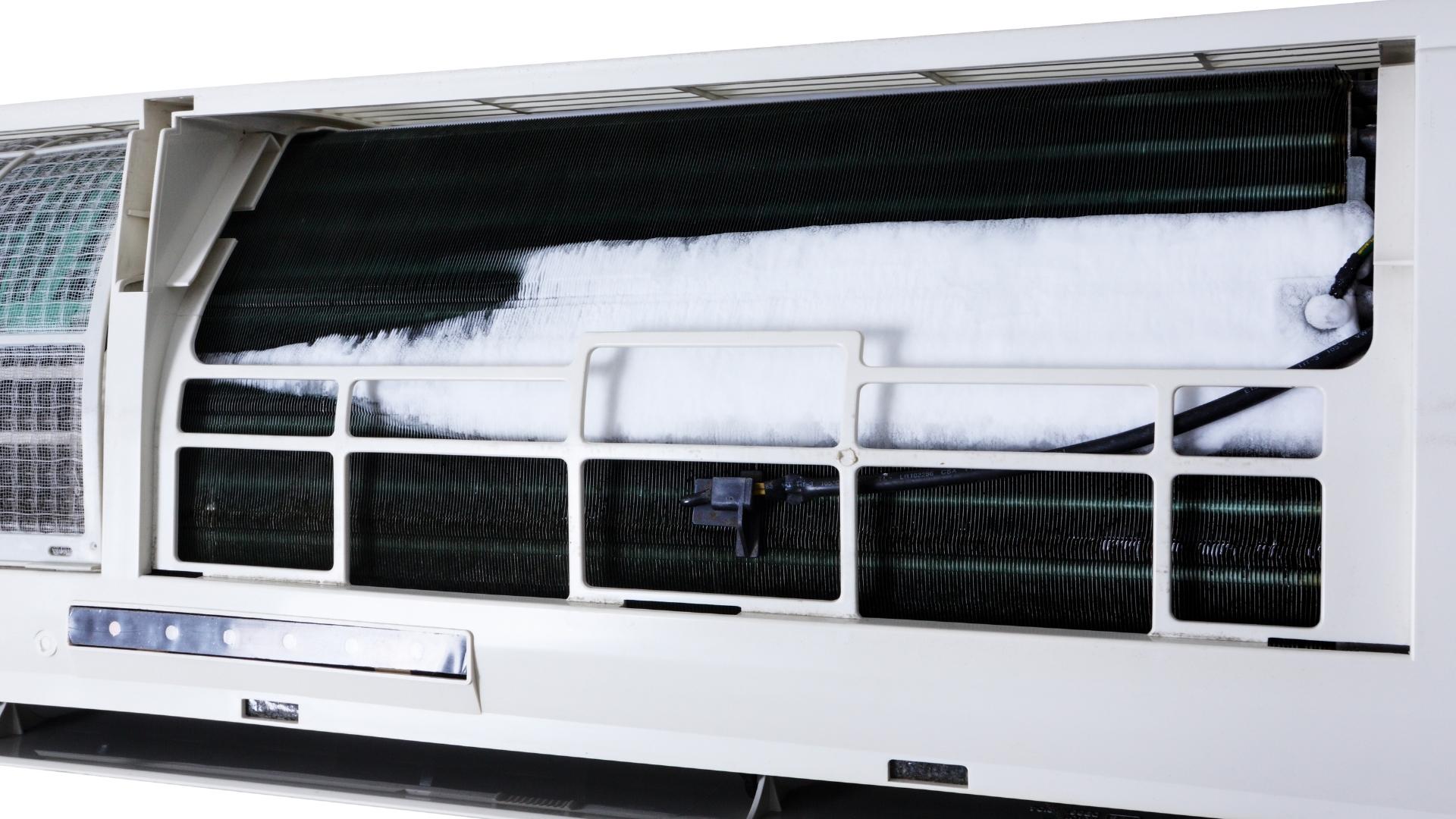
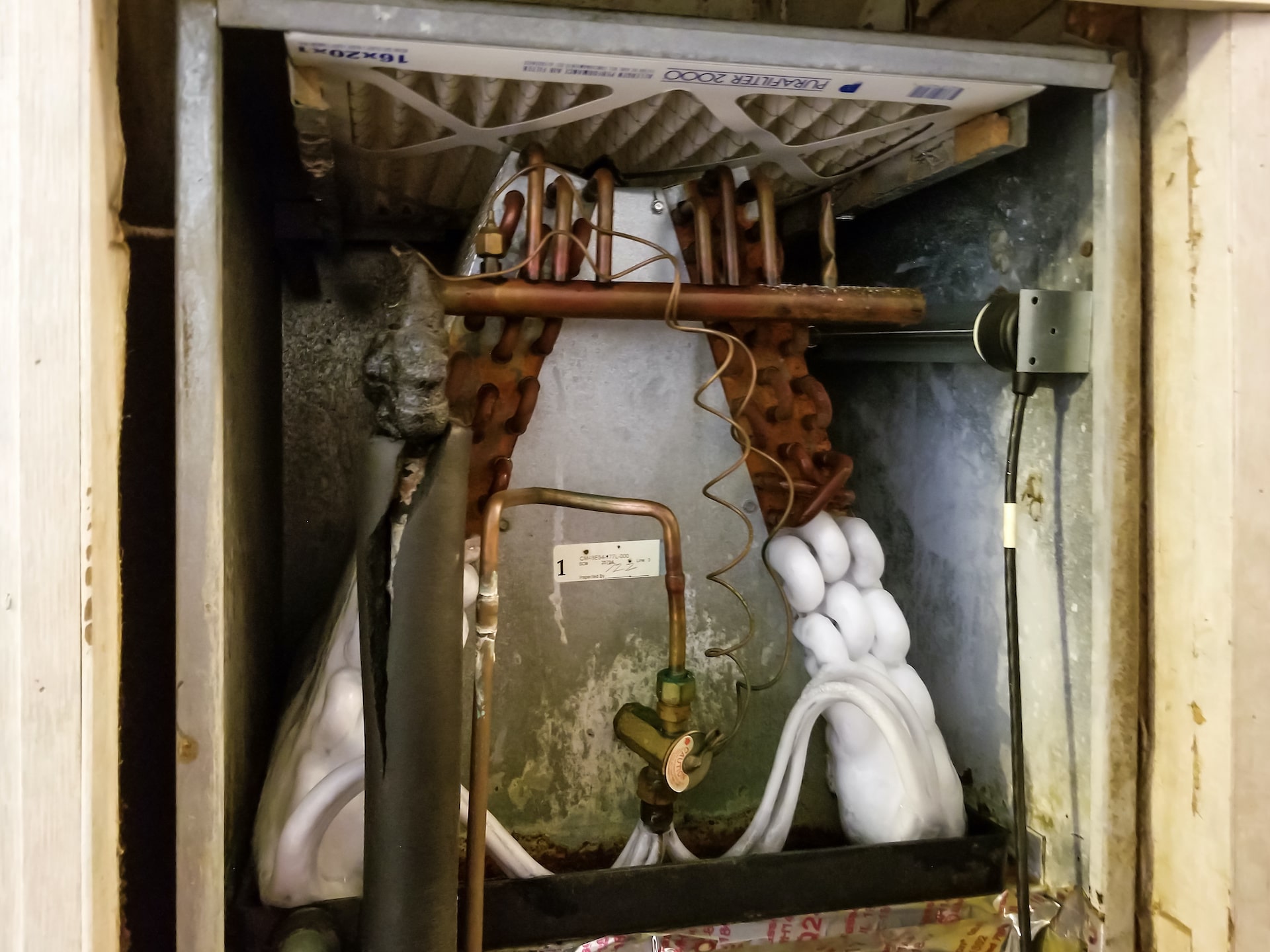
Ice formation on coilsis a clear sign that your AC is freezing. The coils get covered in frost or ice, blocking airflow. This stops the AC from cooling properly and can damage the unit.
Reduced cooling efficiencymeans the room doesn’t get cold. The AC runs longer but cools less. You may notice warm air blowing from the vents or the AC cycling on and off frequently.
Unusual noiseslike rattling or hissing can come from frozen parts. Ice can cause the fan or compressor to work harder, making strange sounds.
Water leaks around unithappen as ice melts. Puddles or drips near the indoor unit suggest frozen coils are thawing. This can lead to water damage if ignored.
Quick Fixes To Thaw A Frozen Ac
Turn off the AC unitto let the ice melt slowly. This prevents damage to the system. It may take several hours to thaw fully.
Increase airflowby opening windows and doors or using fans. Good airflow helps warm air reach the frozen parts faster.
- Replace or clean filtersregularly. Dirty filters block air and cause freezing.
- Check and clear drain lines. Clogged lines cause water buildup and ice.
- Adjust thermostat settingsto a moderate temperature. Avoid setting it too cold as this can cause freezing.
Credit: www.thervgeeks.com
Preventing Future Freeze Ups
Regular maintenance keeps the air conditioner working well. Cleaning or replacing air filters helps air flow smoothly. Dirt and dust can block airflow and cause freezing.
Professional inspections find small problems early. Experts check refrigerant levels, coils, and electrical parts. Fixing issues early stops freeze ups and saves money.
Upgrading parts like thermostats or fans can improve system performance. Newer parts often work better and last longer.
| What to Monitor | Why It Matters |
|---|---|
| Airflow | Good airflow prevents ice buildup on coils |
| Refrigerant Levels | Correct levels keep the system running smoothly |
| Thermostat Settings | Proper settings avoid overworking the AC |
Credit: www.topnotchheatingandair.com
Frequently Asked Questions
Why Does My Ac Freeze Up?
Your AC may freeze due to restricted airflow. This can be caused by dirty filters or blocked vents. Low refrigerant levels can also lead to freezing. Regular maintenance, like cleaning filters and checking refrigerant, can prevent this issue.
How Can I Prevent Ac Freezing?
To prevent AC freezing, ensure regular maintenance of your unit. Clean or replace air filters monthly. Check for blocked vents and clean the evaporator coils annually. Ensure refrigerant levels are optimal. Proper airflow and maintenance are key.
What Are Signs Of A Frozen Ac?
Signs of a frozen AC include reduced airflow and ice on the coils. You might also notice water leaks around the unit. If your AC isn’t cooling properly, it could be frozen. Regular checks can help catch these signs early.
Can Low Refrigerant Cause Ac Freezing?
Yes, low refrigerant can cause your AC to freeze. It reduces the pressure in the system, leading to ice formation. Regularly checking and maintaining refrigerant levels can prevent freezing issues. Always consult a professional for refrigerant-related concerns.
Conclusion
A frozen air conditioner can cause many problems at home. Poor airflow or low refrigerant often leads to freezing. Regular maintenance helps keep your AC running smoothly. Clean filters and check coils to avoid ice build-up. Fixing small issues early saves money and stress later.
A working AC keeps your home cool and comfortable. Stay alert to signs of freezing and act fast. Your comfort depends on a well-maintained air conditioner. Simple care makes a big difference.