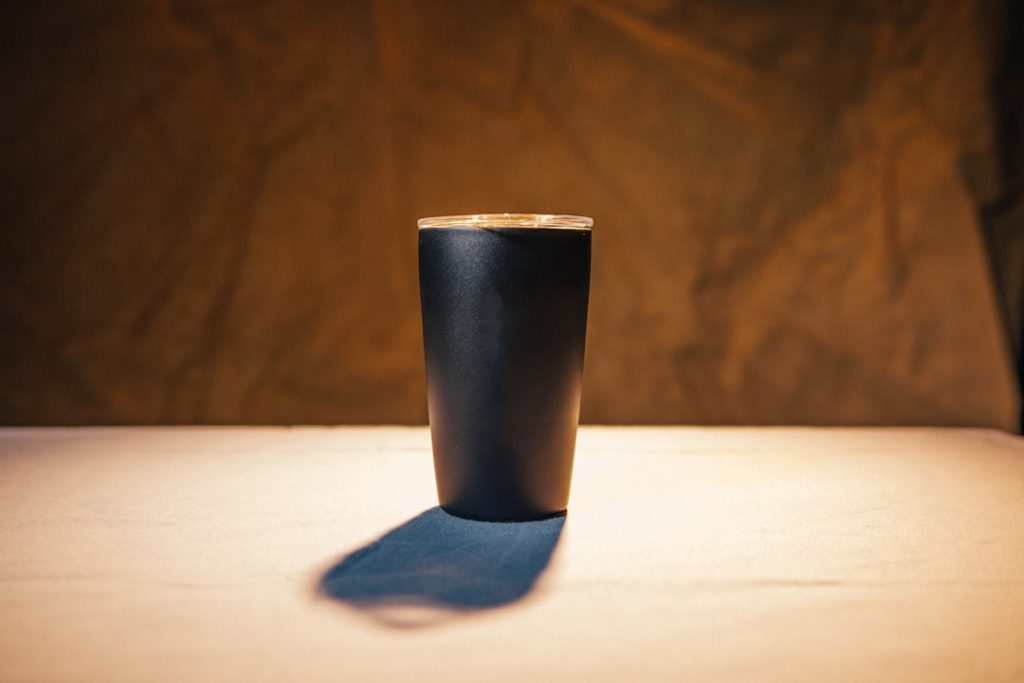
Have you ever started a recipe only to realize you don’t have a measuring cup handy? It can be frustrating when you need exactly 1 cup of an ingredient but don’t know how to measure it without the right tools.
What if you could easily measure 1 cup using things already in your kitchen? Knowing simple tricks to measure accurately without a measuring cup saves you time, avoids guesswork, and keeps your cooking on track. Keep reading, and you’ll discover easy, reliable ways to measure 1 cup with everyday items you already have.
This will change how you cook when measuring tools aren’t around!
Common Household Items As Measures
Measuring one cup without a measuring cup is easy with household items. You can use items found in your kitchen to get close estimates.
This guide shows how spoons, glasses, mugs, plates, and bowls can help you measure one cup.
Using Spoons For Approximate Measures
Spoons can help you measure small amounts that add up to one cup. Knowing the volume of teaspoons and tablespoons is key.
- 3 teaspoons (tsp) equal 1 tablespoon (tbsp)
- 16 tablespoons equal 1 cup
- So, 48 teaspoons equal 1 cup
- Use a tablespoon to measure liquids or dry ingredients
- Fill the spoon level for accuracy
Estimating With Glasses And Mugs
Many glasses and mugs hold about one cup or more. You can use them to estimate the amount you need.
| Item | Approximate Volume | Use Tip |
| Small Glass | 6 to 8 ounces (¾ to 1 cup) | Fill to the top or slightly below |
| Standard Coffee Mug | 10 to 12 ounces (1¼ to 1½ cups) | Fill about two-thirds full |
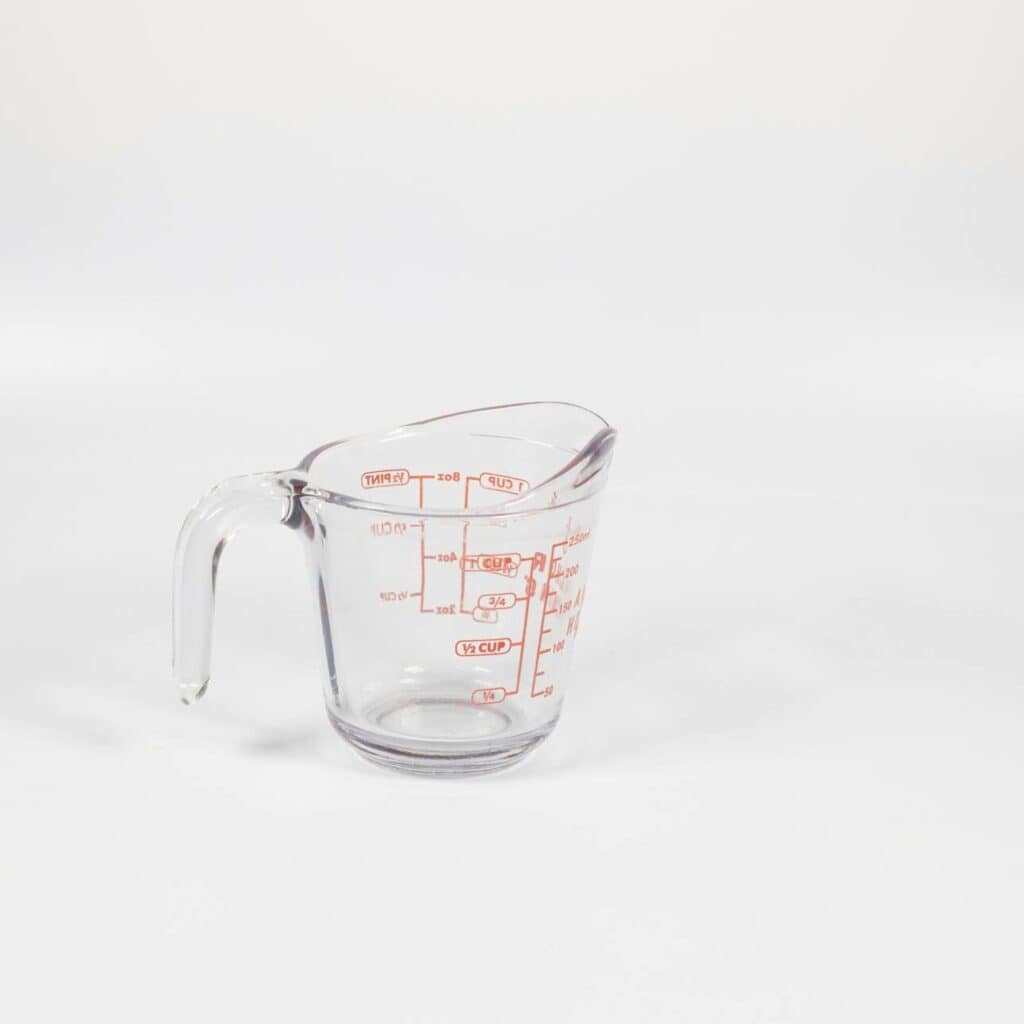
| Measuring Glass (if no cup) | Varies | Check markings and fill to 8 ounces |
Leveraging Standard Plates And Bowls
You can use plates and bowls to estimate one cup by volume. The shape and size affect the estimate.
Here are common household items and their approximate cup capacities:
- Small cereal bowl: about 1 cup
- Medium soup bowl: 1½ to 2 cups
- Standard dinner plate (flat): about 1 cup if piled up
Fill bowls or plates evenly and use them as a rough guide.
Credit: www.recipesandplaces.com
Visual Size Comparisons
Measuring 1 cup without a measuring cup is easy using visual size comparisons. This helps you estimate volume quickly.
Using common items you see every day makes measuring simple and fast. These comparisons work well in most kitchens.
Comparing To Fruits And Vegetables
Many fruits and vegetables have a size close to 1 cup. You can use these as a quick guide.
- A medium apple or orange is about 1 cup
- A large tomato roughly equals 1 cup
- One medium carrot chopped fills about 1 cup
- One cup of leafy greens equals about one small head of lettuce
Using Hand Sizes For Estimation
Your hands can help measure 1 cup without tools. Hand size varies, but these tips work well for most people.
- A cupped hand holds about 1/2 cup of dry ingredients
- Two cupped hands together equal roughly 1 cup
- The palm of your hand, without fingers, is close to 1 cup
- A fist is about 1 cup in volume
Familiar Objects As Volume References
Common objects can also show you what 1 cup looks like. These items give a rough volume estimate.
- A standard baseball is about 1 cup
- A tennis ball is close to 1 cup in size
- A coffee mug usually holds about 1 cup of liquid
- A small juice box is near 1 cup volume
Kitchen Tools For Volume Estimation
Measuring 1 cup without a measuring cup is simple with common kitchen tools. You can use items you already have to estimate volume.
These tools help you measure ingredients when you do not have a measuring cup at hand. Learning to use them saves time and effort.
Using Jugs And Pitchers
Many jugs and pitchers have volume markings on the side. Use these marks to measure 1 cup accurately.
If your jug does not have markings, fill it with water using a smaller container. Count how many fills equal 1 cup.
- Look for milliliter or ounce markings.
- 1 cup equals 240 milliliters or 8 fluid ounces.
- Use a smaller container to fill the jug if no marks are present.
Measuring With Food Storage Containers
Food storage containers often have volume information on the bottom or side. This info can help you estimate 1 cup.
Choose a container close to 1 cup in size. Fill it with your ingredient and use it as a rough measure.
- Check for volume labels on the container.
- Use smaller containers for dry or liquid ingredients.
- Mark the container with tape for reuse as a measuring tool.
Repurposing Bottles And Jars
Bottles and jars can serve as measuring tools if you know their volume. Look for size labels on the packaging.
You can fill the bottle or jar with water and then pour the water into another container to check the volume.
- Look for volume in milliliters or ounces on the label.
- Use water to test and mark the 1 cup level inside the jar.
- Reuse bottles and jars as measuring tools for future cooking.
Techniques For Liquid And Dry Ingredients
Measuring ingredients accurately is important for cooking and baking. You can measure without a standard cup using simple tools.
This guide explains how to measure both liquids and dry ingredients without a measuring cup.
Measuring Liquids Without Standard Cups
You can use common kitchen items to measure liquids. A tablespoon or a glass can help you get close to one cup.
One cup equals 16 tablespoons or 8 fluid ounces. Use this to estimate the amount needed.
- Use a tablespoon: 16 tablespoons equal 1 cup
- Use a standard drinking glass: most hold about 1 cup
- Use a liquid container with ounce marks to reach 8 ounces
Estimating Dry Ingredients Accurately
Dry ingredients can be tricky without a measuring cup. Use spoons, bowls, or weight to estimate amounts.
One cup dry is about 120 grams for flour and 200 grams for sugar. Adjust based on what you measure.
| Ingredient | Approximate Weight for 1 Cup |
|---|---|
| All-purpose flour | 120 grams (4.2 ounces) |
| Granulated sugar | 200 grams (7 ounces) |
| Brown sugar (packed) | 220 grams (7.8 ounces) |
| Rolled oats | 90 grams (3.2 ounces) |
Tips For Packing And Leveling Ingredients
Packing and leveling affect how much ingredient fits in a cup. Follow these tips for better accuracy.
- For flour, spoon it into the cup and level with a knife
- For brown sugar, press it firmly to pack before leveling
- For oats or nuts, fill loosely and level the top
- Use a flat edge to scrape off excess from the cup
Diy Measuring Solutions
Measuring 1 cup without a measuring cup is easy with simple tools. You can use everyday items to get the right amount.
These DIY solutions help you measure ingredients accurately for cooking and baking.
Marking Containers For Future Use
Use a container with clear sides to mark 1 cup level. This works well with jars, glasses, or small bowls.
Fill the container with water using a known 1 cup measuring cup or a kitchen scale. Mark the water line with a permanent marker.
- Choose a container with straight sides
- Fill it to 1 cup level using a known measure
- Draw a line on the container at the 1 cup mark
- Use this container to measure dry or liquid ingredients later
Creating Simple Measuring Tools At Home
You can make basic measuring tools from items around the house. For example, use a tablespoon or a shot glass.
Combine smaller measurements to reach 1 cup. For example, 16 tablespoons equal 1 cup.
- Use a tablespoon: 16 tablespoons = 1 cup
- Use a quarter cup: 4 quarter cups = 1 cup
- Use a shot glass (usually 1.5 ounces): about 5.3 shot glasses = 1 cup
Using Scale For Volume Conversion
A kitchen scale can measure ingredients by weight. You can convert 1 cup to grams for accuracy.
Different ingredients weigh differently. Find the weight of 1 cup for your ingredient and measure it on the scale.
| Ingredient | Weight of 1 Cup (grams) |
|---|---|
| Flour | 120 g |
| Sugar | 200 g |
| Butter | 227 g |
| Rice | 185 g |

Credit: thehungryequestrian.com
Common Mistakes To Avoid
Measuring one cup without a measuring cup can lead to errors. Small mistakes affect your recipe’s outcome. Knowing what to avoid helps you get better results.
This guide explains common mistakes to avoid. Follow these tips for more accurate measuring.
Overfilling And Underfilling Risks
Filling a container too much or too little causes problems. Overfilling adds extra ingredients. Underfilling leaves the recipe short.
- Overfilling can make baked goods dense or wet.
- Underfilling may cause dry or crumbly results.
- Use a flat surface to level off ingredients.
- Check the container’s size carefully before filling.
Ignoring Ingredient Density
Not all ingredients weigh the same for one cup. Dry and liquid ingredients have different densities. This affects volume and weight.
| Ingredient | Approx. Weight for 1 Cup |
| Flour | 120 grams (4.2 oz) |
| Sugar | 200 grams (7 oz) |
| Butter | 227 grams (8 oz) |
| Milk | 240 grams (8.5 oz) |
Use proper tools or adjust for density differences when measuring without a cup.
Inconsistent Measurement Practices
Using different methods causes inconsistent results. Measuring by eye or guessing changes the ingredient amount.
Follow this list for consistent measuring:
- Use the same container each time
- Level off ingredients with a flat edge
- Measure on a flat, stable surface
- Note the ingredient’s state (packed, sifted, or loose)
- Practice to improve your accuracy

Credit: www.amazon.ca
Frequently Asked Questions
How Can I Measure 1 Cup Without A Measuring Cup?
You can use common kitchen items like a standard coffee mug or a large spoon. A typical coffee mug usually holds about 1 cup of liquid. Alternatively, 16 tablespoons equal 1 cup, so you can use a tablespoon to measure.
What Household Items Equal 1 Cup?
Household items like a coffee mug, yogurt container, or a small bowl can approximate 1 cup. Ensure the item is not too wide or deep. These items are often close to the standard cup size used in most recipes.
Can I Use A Kitchen Scale To Measure 1 Cup?
Yes, a kitchen scale can measure 1 cup by weight. For liquids, 1 cup typically weighs about 240 grams. For dry ingredients, check the ingredient-specific weight conversion. This method ensures precise measurement without needing a measuring cup.
Is Using A Tablespoon Accurate For 1 Cup?
Using a tablespoon is accurate for measuring 1 cup. Since 1 cup equals 16 tablespoons, you can count them out. This method is precise and ensures you have the correct amount of your ingredient.
Conclusion
Measuring one cup without a cup measure is easy. Use common items like spoons, glasses, or bowls. Practice helps you get closer to the right amount. This skill saves time and avoids stress in cooking. Try these tips next time you cook or bake.
Small changes make a big difference in your kitchen. Keep experimenting and enjoy your meals more. Simple tools can do the job well. Cooking becomes fun and less tricky this way.