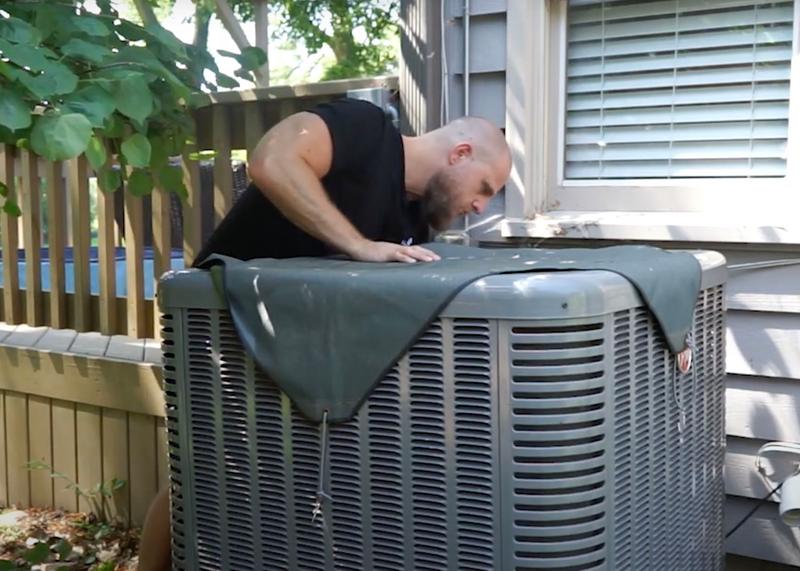
When winter arrives, you might wonder if covering your air conditioner unit is the right move. You want to protect your investment, but could covering it actually cause harm?
Making the wrong choice here could lead to costly repairs or reduce your unit’s lifespan. You’ll discover the surprising truth about winter air conditioner care and learn exactly what you should do to keep your unit safe and ready for summer.
Keep reading—you don’t want to miss these simple tips that can save you money and stress.
Winter Risks For Air Conditioners
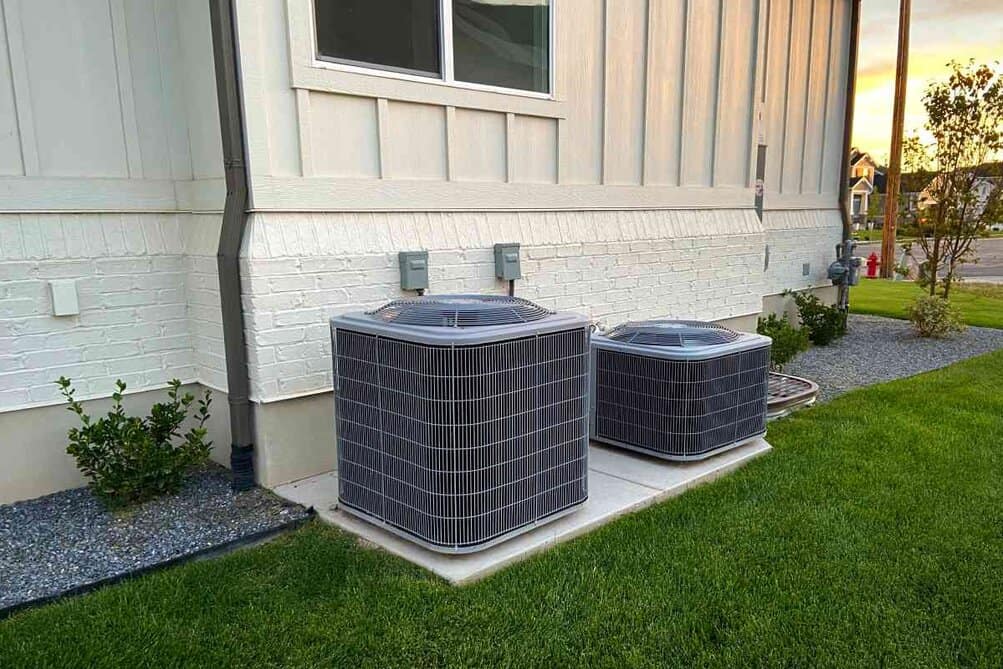
Cold weather can cause several problems for air conditioner units. Snow and ice build-up may block vents and damage parts. Freezing temperatures can make metal parts crack or break. Water from melting snow can seep inside and cause rust or electrical issues.
Strong winter winds can blow debris into the unit. Leaves, twigs, and dirt might clog the system. This can reduce its efficiency and cause costly repairs later. Animals may also try to nest inside the unit during winter.
| Common Winter Damage Types | Description |
|---|---|
| Ice Build-Up | Blocks airflow and damages components |
| Rust and Corrosion | Water from melting snow causes metal to rust |
| Cracks in Metal Parts | Freezing temperatures make metal brittle and break |
| Debris Blockage | Leaves and twigs clog vents and fans |
| Animal Nesting | Small animals can damage wiring and insulation |
Credit: www.furnaceprices.ca
Benefits Of Covering Ac Units
Covering your AC unitduring winter helps protect it from debrislike leaves and sticks. These can block the system and cause damage. Snow and ice can also build up on the unit, which may harm its parts over time.
Rust and corrosionform when metal parts are wet for a long time. A cover keeps moisture away, helping the unit last longer. It also stops dirt and water from getting inside, which can cause costly repairs.
Potential Downsides Of Covering
Covering an air conditioner unitduring winter can trap moisture. This moisture can cause rust and damage to metal parts. Mold and mildew might also grow inside the cover.
Airflow restrictionshappen when the cover blocks vents or openings. This can stop the unit from drying properly. Trapped moisture and poor airflow lead to more harm than good.
- Moisture buildup causes rust and corrosion
- Mold and mildew growth inside the cover
- Blocked airflow prevents drying
- Possible damage to internal parts

Credit: www.furnaceprices.ca
Choosing The Right Cover
Choosing a cover made of breathable materialis best for your air conditioner. It stops moisture from building up inside. Thick plastic covers trap water and can cause rust or mold. Look for covers with a mesh designor ventilation holes. These keep the unit dry and safe.
The cover must fit snuglyaround the air conditioner. Too loose and wind can blow debris inside. Too tight and it may damage the unit. Use straps or ties to keep the cover in place. Make sure it does not block air flow or trap moisture.
When To Leave The Unit Uncovered
In mild winter climates, air conditioners often do not need covering. These areas rarely experience freezing temperatures or heavy snow. Leaving the unit uncovered allows it to stay dry and free from moisture build-up.
Some units are designed to handle outdoor conditionsyear-round. These models have protective coatings and sturdy materials. Covering such units might trap moisture, leading to rust or damage.
- Check the manufacturer’s instructions before covering.
- Ensure good airflow around the unit if left uncovered.
- Remove debris like leaves and dirt regularly.
Maintenance Tips During Winter
Cleaning the air conditioner unit helps it last longer and work well. Remove leaves, dirt, and debris from the outside parts. Use a soft brush or cloth to clean the fins gently. Avoid bending the fins as they are fragile. Clear any blockages near the unit to keep air flowing freely.
Regular inspections catch problems early. Check for cracks, rust, or loose parts around the unit. Listen for strange noises that may show damage. Make sure the unit is level to avoid water buildup. Look at the wiring for signs of wear or damage. Schedule a professional check-up before winter ends for best care.
Signs Your Ac Needs Professional Care
Unusual noisesfrom your AC can signal trouble. Sounds like rattling, buzzing, or grinding mean parts might be loose or worn. Strange noises should not be ignored. They often show the need for a professional check-up.
Reduced efficiencymeans your AC is not cooling as well as before. It might run longer or use more energy. This can raise your bills. Dirt, clogged filters, or mechanical issues cause this. A service visit can restore its performance.

Credit: www.furnaceprices.ca
Frequently Asked Questions
Why Should I Cover My Air Conditioner In Winter?
Covering your air conditioner can protect it from harsh weather. It prevents debris, ice, and snow from accumulating. This can help extend the lifespan of your unit. However, some units are designed to withstand winter conditions. Always check your manufacturer’s guidelines before deciding to cover it.
Can Covering My Ac Unit Cause Damage?
Yes, covering can sometimes trap moisture, leading to rust or mold. It can also invite pests to nest inside. Ensure proper ventilation if you choose to cover it. Consider only covering the top to prevent debris without trapping moisture.
Are There Alternatives To Covering My Ac Unit?
Yes, regular maintenance and cleaning are effective alternatives. Trim nearby plants and clear debris from around the unit. Consider using a specially designed cover that allows airflow, preventing moisture build-up. Always follow manufacturer recommendations for best practices.
Do All Ac Units Need Winter Covers?
Not all AC units require winter covers. Some are built to withstand winter weather without additional protection. Check your manufacturer’s recommendations to see if a cover is necessary. In some climates, covering might be more beneficial than in others.
Conclusion
Covering your air conditioner in winter can protect it from dirt and debris. But blocking airflow may cause moisture and rust. A breathable cover works best to keep the unit dry. Check the cover often to avoid trapped water. Proper care helps your air conditioner last longer.
Choose a cover made for winter use only. Stay safe and keep your unit ready for next summer. Small steps now save money and trouble later. Easy to do and worth the effort.