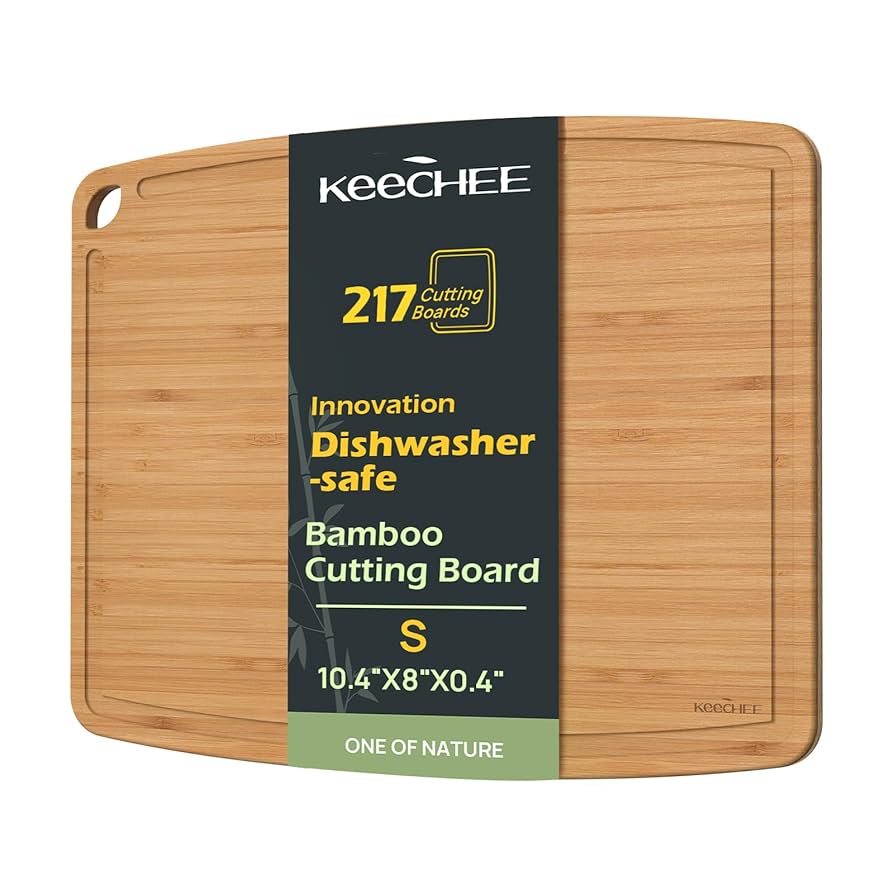
Are you wondering if you can put your wood cutting board in the dishwasher? It’s a common question because dishwashers seem like the easiest way to clean everything quickly.
But before you toss your wooden board in, it’s important to know what really happens to wood when it faces hot water and harsh detergents. Keep reading to find out the surprising truth and learn how to keep your cutting board clean and lasting for years.
Your kitchen tools deserve the best care, and we’re here to help you give it.
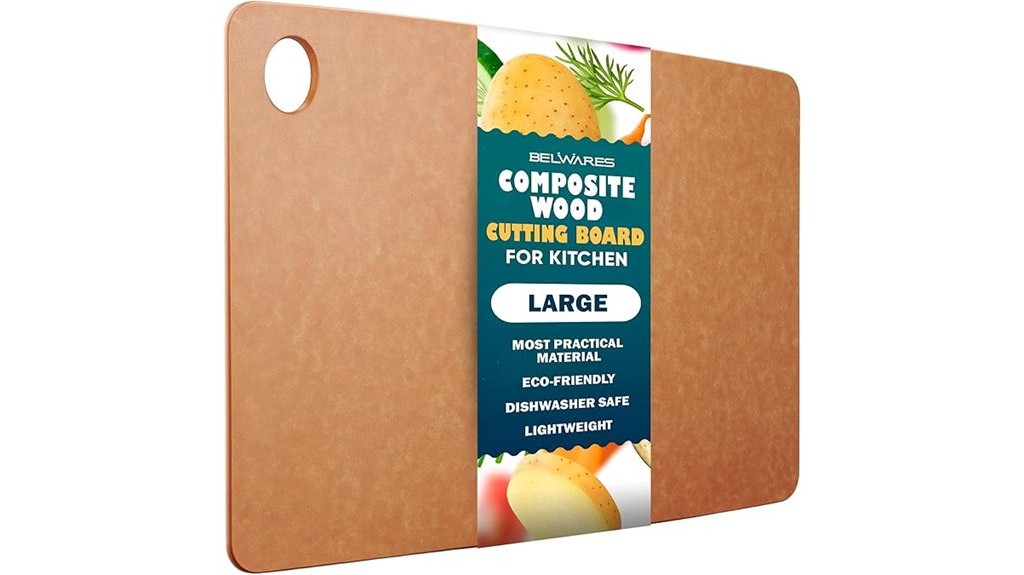
Credit: www.greenwashingindex.com
Dishwasher Risks For Wood Boards
Wood cutting boards look great and last long with proper care. Many wonder if putting them in the dishwasher is safe.
Dishwashers use strong heat and water that can harm wood boards. These risks can shorten the board’s life and cause damage.
Heat Damage Effects
Dishwasher heat can dry out wood cutting boards quickly. This makes the wood weak and less durable.
High temperatures may also cause small burns or dark spots on the wood surface. This affects the board’s look and feel.
Warping And Cracking
Water and heat cause wood to swell and shrink. This can make the board bend or warp after a few washes.
Repeated exposure to dishwasher cycles may lead to cracks. Cracks trap bacteria and make the board unsafe.
- Warped boards do not sit flat on counters
- Cracks reduce the board’s strength
- Both problems shorten the board’s lifespan
Loss Of Natural Oils
Wood cutting boards have natural oils that protect them from water damage. Dishwashing removes these oils quickly.
Without natural oils, the wood dries out and becomes more prone to damage. Regular oiling is needed to keep boards safe.

Credit: www.youtube.com
Safe Cleaning Alternatives
Wood cutting boards need gentle care to last long. Using a dishwasher can damage them. Here are safe ways to clean your wood board.
These methods keep your board clean without wearing it out. They also stop bacteria from growing.
Hand Washing Techniques
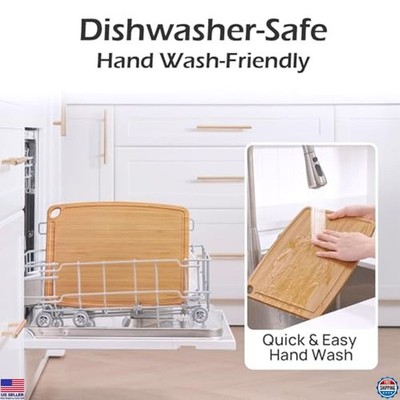
Wash your wood cutting board by hand with warm water. Use a soft sponge or cloth to avoid scratches. Rinse well and dry it immediately.
Using Mild Soaps
Choose mild dish soaps that do not contain harsh chemicals. These soaps clean the board without harming the wood fibers or finish.
- Use a small amount of soap
- Scrub gently with a sponge
- Rinse with warm water
- Dry the board with a clean towel
Sanitizing Without Harsh Chemicals
You can sanitize your wood board safely without strong chemicals. Natural options work well and are gentle on wood.
| Sanitizing Method | Description | How to Use |
|---|---|---|
| White Vinegar | Kills bacteria naturally | Spray on board, let sit 5 minutes, rinse |
| Lemon Juice | Acts as a natural bleach | Rub lemon over board, wait 5 minutes, rinse |
| Baking Soda Paste | Removes odors and cleans | Mix with water, scrub board, rinse well |
Maintaining Wood Board Longevity
Wood cutting boards add warmth to your kitchen. They need care to last long and stay safe. Using a dishwasher can damage them.
Proper maintenance keeps your wood board strong and clean. Follow simple steps to avoid cracks and warping.
Regular Oiling Tips
Oiling your wood board stops it from drying out. It also protects against stains and water damage. Use food-safe mineral oil or beeswax.
- Apply oil once a month or when the board looks dry
- Use a clean cloth to rub oil evenly on all surfaces
- Let the oil soak for a few hours or overnight
- Wipe off any extra oil before use
Proper Drying Methods
Dry your wood board correctly to prevent warping and mold growth. Avoid leaving it wet for long periods.
| Drying Method | Details |
| Air Dry | Stand board upright in a well-ventilated place |
| Towel Dry | Use a clean towel to remove excess water after washing |
| Avoid Dishwasher | High heat and water can cause cracks and shrinkage |
Avoiding Excess Moisture
Too much moisture damages wood boards. Keep your board dry and clean to extend its life.
- Do not soak the board in water
- Clean with a damp cloth, not a soaked sponge
- Store the board in a dry place
- Use separate boards for raw meat and vegetables to reduce bacteria
Credit: www.ebay.com
Choosing Dishwasher-safe Boards
Not all wood cutting boards can go in the dishwasher. Some materials handle the heat and water well. Others may crack or warp.
Knowing which boards are dishwasher safe helps keep them clean and lasting longer. It also protects your investment in quality kitchen tools.
Materials That Withstand Dishwashers
Some materials resist water and heat better than others. These boards can survive dishwasher cycles without damage.
- Plastic boards made of high-density polyethylene
- Bamboo boards with proper sealing
- Composite boards designed for dishwasher use
Wood boards without a protective finish or that are made from soft wood often do not hold up in dishwashers.
Signs Your Board Is Dishwasher Friendly
| Sign | What It Means |
| Label or stamp saying “dishwasher safe” | Board is tested for dishwasher use |
| Sealed surface with resin or varnish | Water and heat resistance improved |
| Plastic or composite material | Less likely to warp or crack |
| Manufacturer’s care instructions include dishwasher use | Safe to use in dishwasher |
Frequently Asked Questions
Can You Wash Wood Cutting Boards In A Dishwasher?
No, you shouldn’t wash wood cutting boards in a dishwasher. The heat and water can cause warping and cracking. Hand wash with mild soap and water to preserve its quality and lifespan. Dry thoroughly to prevent moisture damage.
What Happens If You Dishwash A Wood Cutting Board?
Dishwashing a wood cutting board can lead to serious damage. The intense heat and water exposure can cause warping, cracking, and splitting. Additionally, harsh detergents may strip the wood’s natural oils, making it prone to damage.
How Do You Clean A Wood Cutting Board Properly?
To clean a wood cutting board, use warm, soapy water and a soft sponge. Rinse thoroughly and dry immediately. For deep cleaning, use a mixture of vinegar and water or sprinkle salt and scrub with lemon. Always avoid soaking to prevent damage.
Why Avoid Putting Wood Boards In Dishwashers?
Dishwashers expose wood boards to excessive heat and moisture, causing them to warp and crack. The harsh detergents also strip natural oils, leading to further damage. Hand washing ensures longevity and maintains the board’s integrity.
Conclusion
Wood cutting boards do not belong in the dishwasher. The heat and water can cause the wood to crack and warp. Hand washing with mild soap and warm water keeps them safe. Dry boards quickly to stop bacteria growth. Regular oiling helps maintain wood’s strength and appearance.
Taking simple care steps extends your board’s life. Keep your cutting board clean and healthy without the dishwasher. It’s easy and saves you money in the long run. Treat your wood board well for better cooking results.