Choosing the right wood for your cutting board can make a big difference in your kitchen. You want something that’s durable, safe, and easy to clean.
But with so many options out there, how do you know which wood is best for your cutting board? This guide will help you understand the top choices, so you can pick the perfect one for your cooking needs. Keep reading to discover what makes some woods better than others, and how the right cutting board can improve your cooking experience.
Credit: www.forbes.com
Hardwood Benefits
Choosing the right wood for cutting boards is important. Hardwood is often the best choice. It offers many advantages for kitchen use.
Hardwoods come from trees that grow slowly. This makes the wood dense and strong. These features help cutting boards last longer.
Durability Factors
Hardwood cutting boards resist dents and scratches well. The tight grain structure keeps the board from absorbing water. This reduces warping and cracking over time.
- Dense wood protects against deep cuts.
- Hardwood resists bacteria better than soft wood.
- Boards made from hardwood last for many years.
- They handle heavy chopping without damage.
Knife-friendly Surfaces
Hardwood is firm but gentle on knives. It does not dull blades quickly. This helps keep knives sharp longer.
| Wood Type | Hardness Level | Knife Impact |
| Maple | High | Gentle |
| Walnut | Medium-High | Gentle |
| Cherry | Medium | Moderate |
| Beech | High | Gentle |
Maple
Maple is a popular wood choice for cutting boards. It is known for its durability and smooth surface. Many people prefer maple because it is safe for food use.
This type of wood is easy to clean and resists knife marks well. Maple cutting boards can last a long time with proper care.
Grain And Hardness
Maple has a tight, closed grain. This means the wood is dense and less porous. It helps to keep bacteria out and makes the board easy to clean.
| Feature | Description |
| Grain Type | Tight and closed |
| Hardness | Hard and durable |
| Porosity | Low |
| Knife Friendliness | Gentle on knives |
Maintenance Tips
Taking care of a maple cutting board keeps it looking good and lasting longer. Simple habits can protect the wood.
- Clean the board with warm soapy water after use
- Dry it immediately to avoid warping
- Apply food-safe mineral oil regularly to keep the wood hydrated
- Avoid soaking the board in water
- Use a cutting board conditioner for extra protection
Walnut
Walnut is a popular choice for cutting boards. It offers a rich, dark color that looks great in many kitchens.
This wood is strong and durable, making it good for daily use. Walnut cutting boards can last a long time with proper care.
Aesthetic Appeal
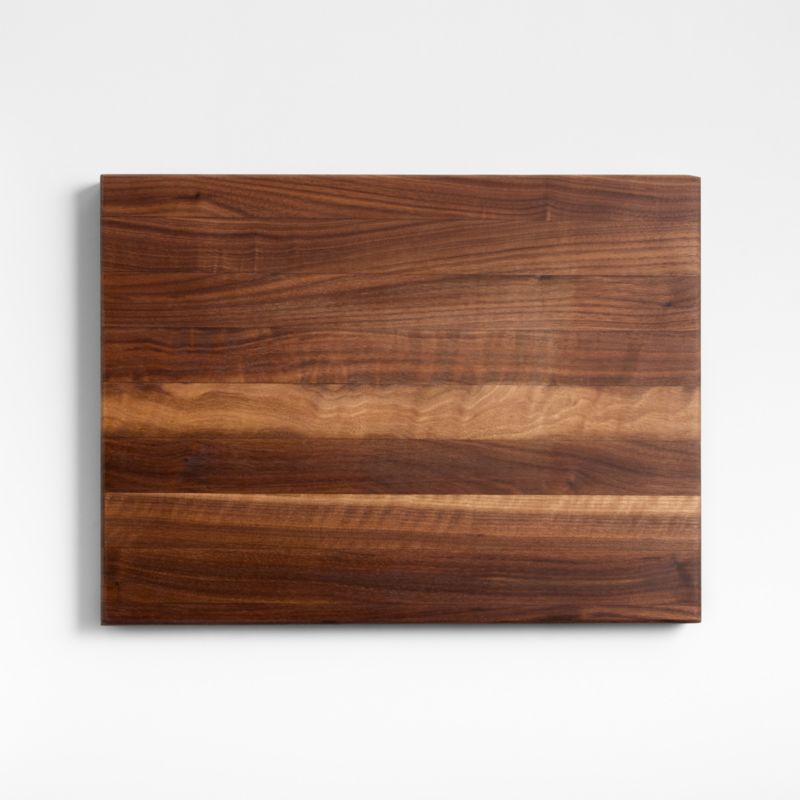
Walnut wood has a deep brown color with beautiful grain patterns. It adds a warm and elegant look to your kitchen.
- Rich chocolate brown color
- Unique swirling grain patterns
- Natural matte finish that improves over time
- Complements both modern and traditional kitchens
Longevity And Care
Walnut cutting boards need regular care to stay in good shape. Proper treatment keeps the wood strong and safe for food.
| Care Tip | Reason |
| Oil regularly with food-safe mineral oil | Prevents drying and cracking |
| Hand wash with mild soap | Avoids water damage |
| Dry completely before storing | Stops mold and warping |
| Sand lightly if surface gets rough | Restores smooth cutting surface |
Cherry
Cherry wood is a popular choice for cutting boards. It offers a good balance of beauty and durability.
This wood works well in kitchens because it is strong and looks warm and inviting.
Color And Texture
Cherry wood has a rich reddish-brown color. It darkens over time, giving it a deep, warm tone.
The texture is smooth and fine-grained. This makes it gentle on knives and easy to clean.
- Starts light pinkish-brown and deepens with age
- Fine, even grain that looks elegant
- Soft surface helps protect knife edges
Resistance To Bacteria
Cherry wood has natural properties that resist bacteria growth. It does not soak up water quickly.
This helps keep the cutting board cleaner and safer for food preparation.
- Dense grain limits moisture absorption
- Natural oils reduce bacteria buildup
- Easy to clean with soap and water
Bamboo
Bamboo is a popular choice for cutting boards. It grows fast and is easy to renew.
This wood alternative offers good strength and a unique look for kitchen use.
Sustainability
Bamboo is a highly sustainable material. It reaches maturity quickly compared to hardwood trees.
- Grows up to 3 feet per day
- Harvested without killing the plant
- Requires less water than most woods
- Absorbs more carbon dioxide than trees
Durability Comparison
Bamboo cutting boards are hard and resist knife marks well. They last longer than many softwoods.
| Wood Type | Hardness (Janka Scale) | Resistance to Cracks |
| Bamboo | 1380 | High |
| Maple | 1450 | Medium |
| Walnut | 1010 | Medium |
| Pine | 420 | Low |
Teak
Teak is a popular wood for cutting boards. It has qualities that make it strong and long-lasting.
This wood is known for its natural oils and water resistance. These features help keep the board safe and clean.
Natural Oils
Teak contains natural oils that protect the wood. These oils help stop the wood from drying out and cracking.
- Reduce the need for extra oiling
- Help prevent bacteria growth
- Keep the wood smooth and shiny
- Make the board easier to clean
Water Resistance
Teak’s natural oils also make it very water resistant. This quality makes it ideal for kitchen use.
| Property | Benefit |
| High Oil Content | Prevents water absorption |
| Dense Grain | Reduces warping and splitting |
| Durability | Lasts longer with less damage |
Avoiding Softwoods
Choosing the right wood for cutting boards matters. Softwoods can damage knives quickly.
Softwoods also absorb moisture and bacteria more than hardwoods. This makes them less safe for food use.
Why They’re Unsuitable
Softwoods have a low density. This means they get scratched and cut easily. These cuts trap bacteria and stains.
Softwoods also tend to warp or crack when wet. Cutting boards often get wet, so this is a big problem.
- They dull knives faster
- They absorb moisture quickly
- They are prone to deep cuts and grooves
- They can warp or crack with water exposure
- They provide less sanitary surfaces
Common Softwoods To Skip
| Softwood | Reason to Avoid |
| Pine | Very soft, dents easily, smells strong |
| Cedar | Soft and porous, can hold odors |
| Fir | Prone to warping and deep cuts |
| Spruce | Not durable, can splinter |
| Redwood | Soft and absorbs moisture quickly |
Credit: oggnhome.com
Choosing The Right Wood
Selecting the best wood for cutting boards depends on how you will use it.
Different woods offer various strengths, durability, and care needs.
Intended Use
Think about what kind of food you will prepare and how often you will use the board.
- Softwoods like pine are easy on knives but wear out faster.
- Hardwoods like maple and walnut resist cuts and last longer.
- Bamboo is eco-friendly and hard but can dull knives quickly.
- End-grain boards show knife marks less and are gentle on blades.
Budget Considerations
| Wood Type | Price Range | Durability |
| Maple | Medium | High |
| Walnut | High | High |
| Bamboo | Low to Medium | Medium |
| Pine | Low | Low |
Consider how much you want to spend and how long the board should last.
Care And Maintenance
Wooden cutting boards need regular care to stay safe and last long. Proper cleaning and oiling keep the wood strong and clean.
Using the right methods helps prevent cracks, stains, and bacteria growth on your board.
Cleaning Techniques
Clean your cutting board right after use. Wash it with warm water and mild soap to remove food particles.
Do not soak the board in water or put it in a dishwasher. This can cause the wood to crack or warp.
- Rinse with warm water immediately after use
- Use a soft sponge and mild dish soap
- Dry the board with a clean towel
- Stand it up to air dry completely
- Use lemon and salt to remove stains and odors
Oiling And Conditioning
Oiling your wooden cutting board keeps it from drying out and cracking. Use food-safe mineral oil or special cutting board oil.
Apply oil regularly, about once a month or when the wood looks dry. Conditioning with wax can also protect the surface.
- Apply a generous amount of mineral oil with a clean cloth
- Let the oil soak in for several hours or overnight
- Wipe off any extra oil with a dry cloth
- Use a beeswax conditioner for extra protection
- Do not use cooking oils like olive or vegetable oil
Credit: www.crateandbarrel.ca
Frequently Asked Questions
What Wood Types Are Ideal For Cutting Boards?
Maple, walnut, and cherry are top choices for cutting boards. They are durable, have tight grains, and resist bacteria. These hardwoods provide a smooth surface, which is gentle on knives. Opting for these woods ensures longevity and maintains the board’s quality over time.
Is Bamboo Good For Cutting Boards?
Bamboo is a popular, eco-friendly choice for cutting boards. It’s durable and has natural antibacterial properties. However, bamboo can be harder than traditional hardwoods, which might dull knives faster. Overall, it’s a sustainable option that balances durability and environmental benefits.
Why Choose Hardwood For Cutting Boards?
Hardwoods like maple and walnut are best for cutting boards. They offer durability and are knife-friendly. Their dense grains resist moisture and bacteria. This makes them hygienic and long-lasting. Choosing hardwood ensures a reliable and safe cutting surface in the kitchen.
Can Softwoods Be Used For Cutting Boards?
Softwoods are generally not recommended for cutting boards. They are less durable and can scar easily. This makes them prone to bacteria buildup. While softer on knives, they lack the longevity and hygiene provided by hardwoods. It’s best to stick with hardwood options for safety.
Conclusion
Choosing the right wood for cutting boards matters a lot. Hardwoods like maple and walnut last long and stay safe. Soft woods can get damaged and hold bacteria. A good cutting board feels sturdy and cleans easily. Taking care of your board helps it stay fresh.
Regular oiling keeps wood strong and smooth. Pick wood that fits your needs and kitchen style. This way, your cutting board will serve well for years. Simple steps make a big difference in kitchen safety.