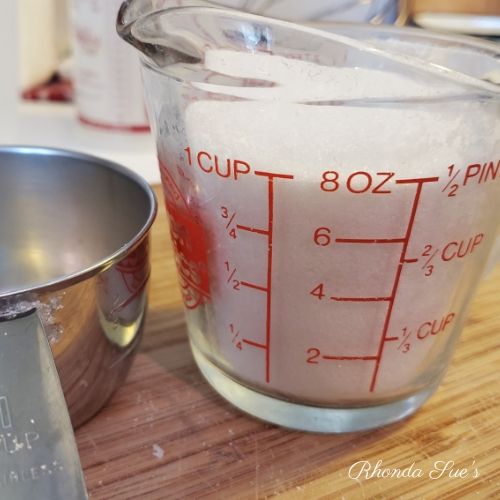
Ever found yourself in the kitchen, recipe in hand, only to pause at the instruction to measure 3/4 cup of an ingredient? You’re not alone.
This common cooking conundrum leaves many home chefs scratching their heads. Accurate measurements are crucial to culinary success, but when you don’t have the right tools or are unsure how to use them, it can be frustrating. Imagine the satisfaction of confidently preparing your favorite dishes, knowing you’ve nailed every measurement.
This guide will walk you through simple and effective ways to measure 3/4 cup, ensuring your cooking adventures are as stress-free as they are delicious. Stick around to discover tips and tricks that will transform your time in the kitchen.
Common Measuring Tools
Measuring ingredients accurately is important in cooking and baking. It helps you get the right texture and taste.
There are different tools to measure dry and liquid ingredients. Some tools are better for specific tasks.
Standard Measuring Cups
Standard measuring cups are used to measure dry ingredients like flour, sugar, and grains. They usually come in sets with sizes like 1 cup, ½ cup, ⅓ cup, and ¼ cup.
- Fill the cup and level it off with a flat edge for accuracy.
- Use the right size cup for the amount you need.
- Measure ingredients by scooping or spooning into the cup.
Liquid Measuring Cups
Liquid measuring cups are made of clear glass or plastic. They have a spout for easy pouring and marks for different volumes.
| Volume Markings | Uses |
| ¼ cup | Small amounts of liquid |
| ½ cup | Medium amounts |
| 1 cup | Larger liquid quantities |
| 1 liter or 1 quart | Metric or US measurements |
Kitchen Scales
Kitchen scales measure ingredients by weight, not volume. They are very useful for baking and precise recipes.
Benefits of using kitchen scales:
- Measures dry and liquid ingredients accurately.
- Easy to switch between grams and ounces.
- Reduces mess by measuring directly in bowls.
Measuring 3/4 Cup Accurately
Measuring 3/4 cup of ingredients correctly helps your recipes turn out great. Using the right tools and methods makes it easy to get the exact amount.
Small mistakes in measuring can change the taste and texture of your food. Follow simple tips to measure 3/4 cup with confidence.
Filling And Leveling Techniques
Fill your measuring cup with the ingredient until it is overfull. Then, use a flat edge to level it off. This removes extra and gives an exact amount.
For dry ingredients, use a spoon to fill the cup lightly. Avoid packing the ingredient tightly unless the recipe says so. Leveling helps avoid too much or too little.
- Spoon dry ingredients into the cup gently
- Use the back of a knife to level the top
- Do not shake or tap the cup to settle ingredients
Using Tablespoons For Precision
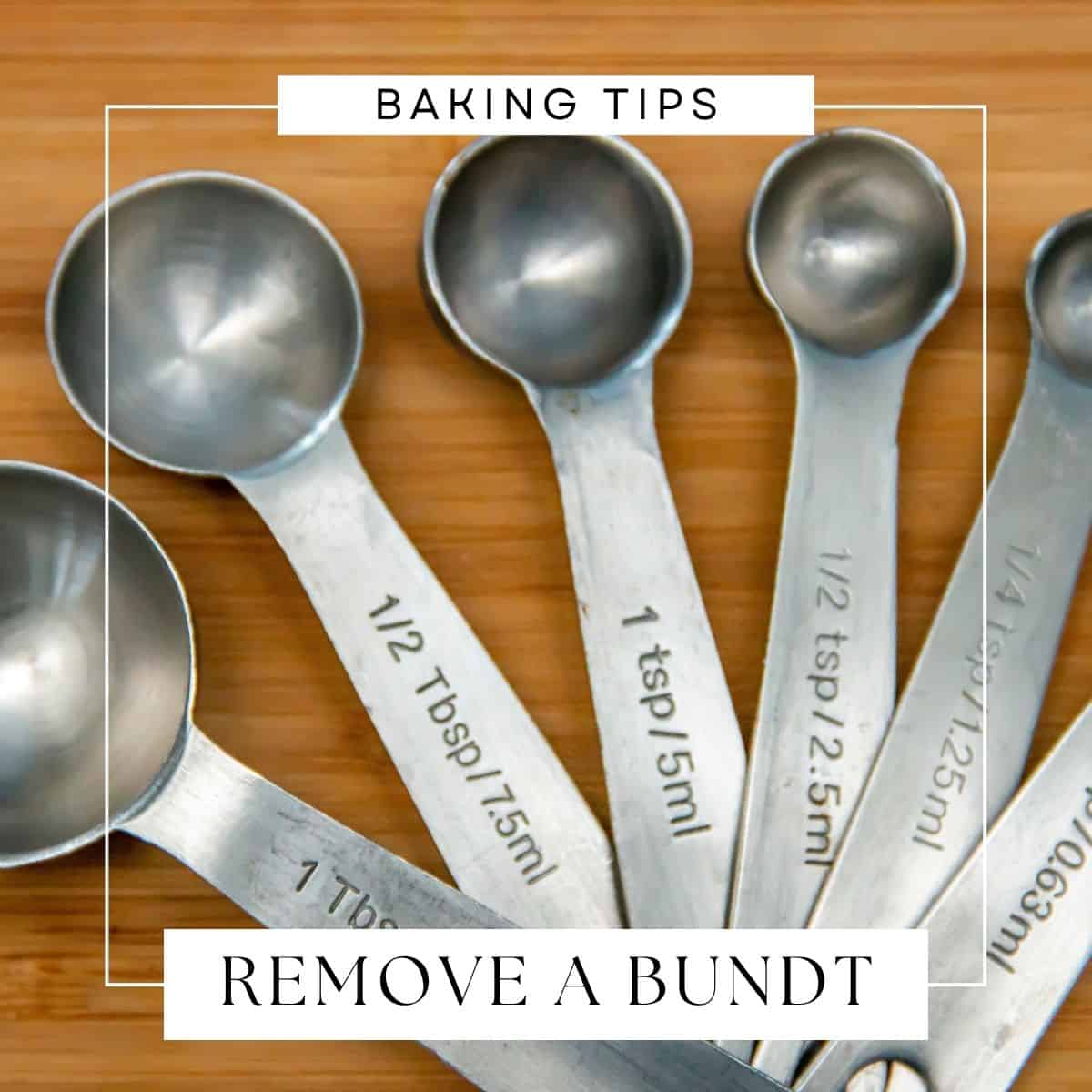
You can use tablespoons to measure 3/4 cup if you don’t have the right cup. One cup equals 16 tablespoons. So, 3/4 cup is 12 tablespoons.
Measure each tablespoon carefully and level it off. This method works well for small amounts and improves accuracy.
- 1 cup = 16 tablespoons
- 3/4 cup = 12 tablespoons
- Fill each tablespoon fully and level it
- Count out 12 tablespoons for 3/4 cup
Converting 3/4 Cup To Other Units
Measuring 3/4 cup accurately is important for cooking and baking. Different recipes use various units. Knowing how to convert 3/4 cup helps you follow recipes easily.
In this guide, you will learn how to convert 3/4 cup into ounces, milliliters, tablespoons, and teaspoons. This makes measuring simple and accurate.
Ounces And Milliliters
Ounces and milliliters are common units for measuring liquids. You can use these to get a precise amount for 3/4 cup.
3/4 cup equals 6 fluid ounces or about 177 milliliters.
| Unit | Amount |
|---|---|
| Ounces (fl oz) | 6 fl oz |
| Milliliters (ml) | 177 ml |
Tablespoons And Teaspoons
Tablespoons and teaspoons are smaller units used in cooking. They help measure ingredients in small amounts.
3/4 cup equals 12 tablespoons or 36 teaspoons.
- 3/4 cup = 12 tablespoons
- 3/4 cup = 36 teaspoons
Credit: mysweetprecision.com
Tips For Consistent Measurements
Measuring ingredients correctly is important for good cooking and baking results. Using the right tools and methods helps you get the exact amount every time.
This guide will help you avoid common mistakes and improve your measuring skills.
Avoiding Packing Ingredients
Packing ingredients like flour or brown sugar can cause you to use more than needed. It changes the recipe’s texture and taste.
- Use a spoon to fill your measuring cup lightly.
- Do not press or shake the cup to pack the ingredient.
- Level off the top with a straight edge, such as a knife.
- Use a scale for more accuracy if possible.
Measuring Dry Vs. Liquid Ingredients
Dry and liquid ingredients need different measuring tools and methods. Using the wrong tool leads to wrong amounts.
| Ingredient Type | Tool to Use | How to Measure |
| Dry (e.g., flour, sugar) | Dry measuring cups | Fill, level off the top |
| Liquid (e.g., water, oil) | Liquid measuring cup | Place on flat surface, read at eye level |
Common Mistakes To Avoid
Measuring 3/4 cup accurately is important for good cooking results. Mistakes in measuring can change the taste and texture of your dish.
Knowing what to avoid helps you get the right amount every time. Two common errors are overfilling or underfilling and using the wrong tools.
Overfilling And Underfilling
Putting too much or too little in the measuring cup changes the recipe. Overfilling can make a dish too wet or dense. Underfilling can make it dry or lack flavor.
- Fill the cup to the rim but do not pack ingredients down.
- Use a flat edge like a knife to level off dry ingredients.
- Check liquid measurements at eye level on a flat surface.
- Avoid shaking or tapping the cup as it can change the amount.
Using The Wrong Measuring Tool
Not all measuring tools work well for 3/4 cup. Using a spoon or a random cup can cause errors. Dry and liquid ingredients need different tools.
| Ingredient Type | Best Measuring Tool | Why |
| Dry (flour, sugar) | Dry measuring cup | Helps level off for exact amount |
| Liquid (milk, oil) | Liquid measuring cup | Has space and clear markings for eye-level checking |
| Sticky (honey, syrup) | Liquid measuring cup with spout | Easy to pour and measure accurately |

Credit: www.chefworks.com
Using Scales For Best Results
Measuring ingredients by weight gives you the most accurate results. Using a kitchen scale ensures your recipes turn out just right.
Measuring cups can vary, but scales provide exact numbers. This helps especially when measuring something like 3/4 cup.
Weighing 3/4 Cup In Grams
The weight of 3/4 cup changes depending on the ingredient. Dry and wet ingredients have different densities.
| Ingredient | 3/4 Cup Weight (grams) |
|---|---|
| All-purpose flour | 90g |
| Sugar (granulated) | 150g |
| Butter | 170g |
| Milk | 180g |
| Oats | 65g |
Benefits Of Weight Measurements
Measuring by weight helps you cook and bake with more accuracy and less waste.
- Consistent results every time
- Easy to scale recipes up or down
- Reduces the chance of mistakes
- Saves money by avoiding ingredient waste
- Works well with both dry and wet ingredients

Credit: rhondasues.com
Frequently Asked Questions
How Do You Measure 3/4 Cup Accurately?
Use a 1/4 cup measuring cup three times or a 1/2 cup plus 1/4 cup. Level off each measurement for accuracy.
Can I Use Tablespoons To Measure 3/4 Cup?
Yes, 3/4 cup equals 12 tablespoons. Use a tablespoon to measure 12 times for precise results.
Is 3/4 Cup Equal To 6 Fluid Ounces?
Yes, 3/4 cup is exactly 6 fluid ounces. Use a liquid measuring cup to measure liquids precisely.
What Common Kitchen Tools Measure 3/4 Cup?
Measuring cups marked 3/4 cup, a 1/2 cup plus 1/4 cup, or tablespoons can measure it easily.
Conclusion
Measuring 3/4 cup does not have to be hard. Use a standard measuring cup to get it right. You can also combine smaller measures like half a cup plus a quarter cup. This keeps your recipes accurate and tasty. Remember, simple tools make cooking easier.
Practice a few times, and you will feel confident. Cooking becomes more fun when you measure well. Keep these tips in mind for your next recipe.