Struggling to achieve that perfect, clean cut on your foam core board? You’re not alone.
Many people find it tricky to get those smooth, precise edges without tearing or denting the material. Whether you’re working on a school project, crafting a piece of art, or designing a presentation board, the way you cut foam core can make all the difference.
Imagine the satisfaction of flawlessly cut lines enhancing the overall look of your project. You’ll discover simple yet effective techniques to cut foam core board cleanly and effortlessly. Ready to elevate your skills and see the difference for yourself? Let’s dive in and transform your projects with clean, professional cuts.

Credit: www.panelsworld.com.au
Choosing The Right Tools
Cutting foam core board cleanly needs the right tools. Choosing good tools helps you get smooth edges and avoid damage.
Using proper knives, mats, rulers, and other tools makes the cutting process safer and easier.
Best Knives For Foam Core
Sharp knives give clean cuts on foam core boards. Utility knives and X-Acto knives work well. Replace blades often to keep cuts smooth.
- Utility knife with a sharp, replaceable blade
- X-Acto knife for detailed cuts
- Craft knife with a fine point
- Self-healing blades for long use
Cutting Mats And Rulers
A cutting mat protects your surface and helps guide your knife. Use a metal ruler to make straight cuts. Avoid plastic rulers because knives can cut into them.
| Tool | Purpose | Tip |
| Self-healing cutting mat | Protects surface, provides smooth cutting base | Choose one larger than your foam core board |
| Metal ruler | Keeps cuts straight and precise | Hold firmly to avoid slipping |
| Non-slip ruler | Prevents ruler movement during cutting | Look for rubber backing |
Additional Helpful Tools
Some other tools make cutting easier and safer. Use clamps to hold the board steady. A pencil helps mark cut lines clearly.
- Clamps to keep the foam core board from moving
- Pencil for marking cut lines
- Sandpaper to smooth cut edges
- Gloves to protect your hands
Preparing Your Workspace
Cutting foam core board cleanly needs a well-prepared workspace. A good setup helps you make straight, smooth cuts safely. Take time to get your area ready before starting.
Organize your tools and materials. Clear space lets you work faster and avoid mistakes. Follow these key points to prepare your workspace properly.
Setting Up A Stable Surface
Choose a flat, sturdy table or desk to cut on. A stable surface keeps the foam core from moving while you cut. This helps you get clean edges without slips or uneven lines.
- Use a cutting mat or thick board to protect your table.
- Make sure the surface is large enough for your foam core board.
- Keep the area free from clutter to avoid distractions.
- Check that your table does not wobble or shake.
Ensuring Proper Lighting
Good lighting helps you see your cutting lines clearly. This reduces mistakes and keeps cuts straight. Use bright, even light in your workspace.
| Type of Lighting | Benefits |
|---|---|
| Natural light | Bright and color-accurate, best if available |
| Desk lamp with LED bulb | Focuses light directly on your work area |
| Overhead fluorescent light | Provides broad, even illumination |
Safety Precautions
Cutting foam core board involves sharp tools. Protect yourself and others by following safety steps. Always use caution and keep your workspace safe.
- Wear safety glasses to protect your eyes from debris.
- Use a sharp blade to avoid pressing too hard and slipping.
- Cut away from your body to reduce injury risk.
- Keep your fingers clear of the blade’s path.
- Store cutting tools safely when not in use.
Marking The Cut Lines
Marking cut lines on foam core board is key for clean cuts. Clear lines help guide your blade smoothly along the board.
Using the right tools and methods makes the process easier and more precise. Let’s look at how to measure and mark your lines well.
Using Accurate Measurements
Measure your foam core board carefully before marking. Use a ruler or measuring tape that does not bend easily.
- Place the foam core on a flat surface to avoid distortion.
- Use a metal ruler for straight, firm edges.
- Measure twice to confirm the length and width.
- Mark the points lightly with a pencil to avoid deep marks.
- Double-check the measurements before drawing lines.
Techniques For Clear Lines
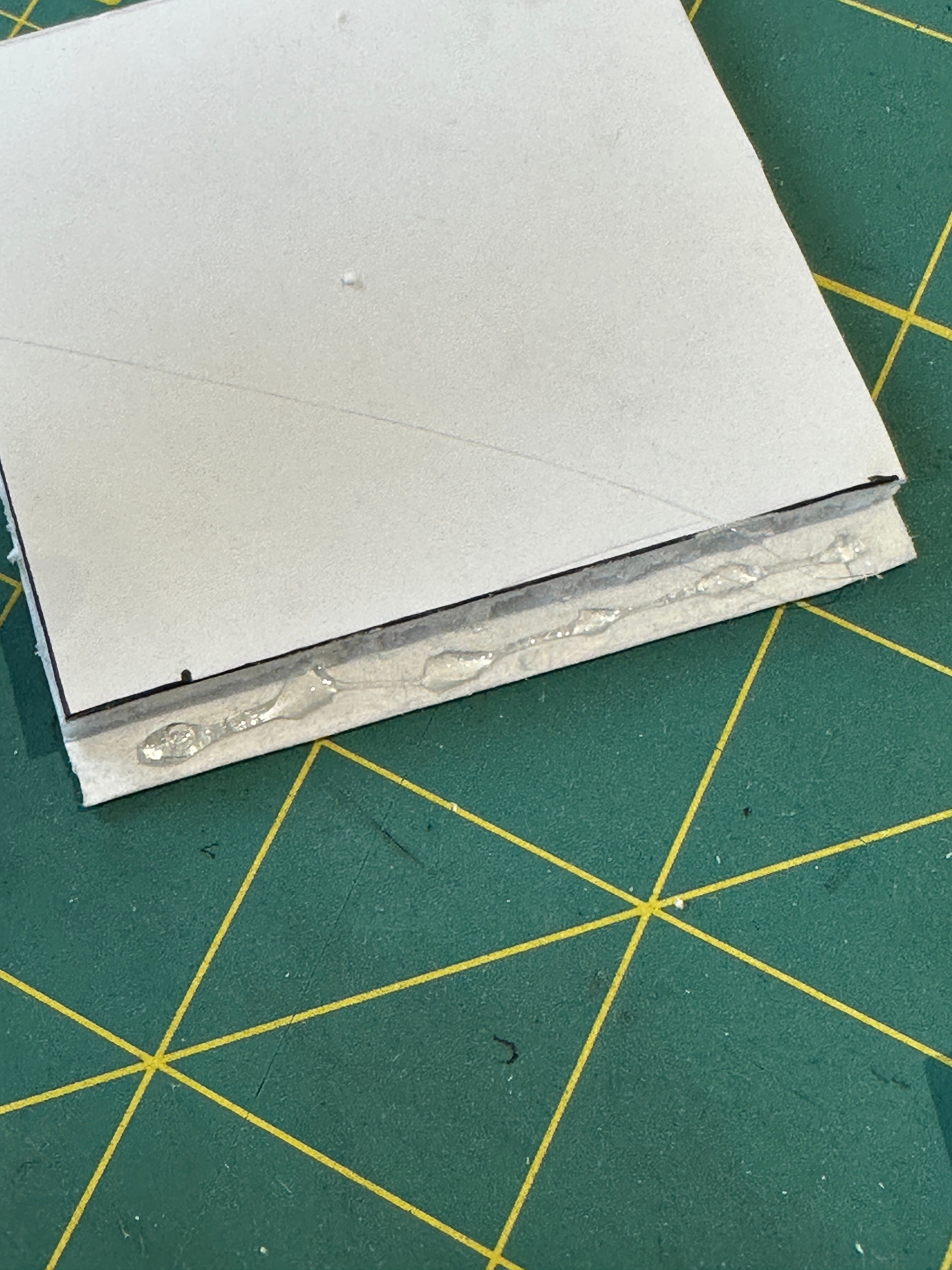
Drawing clear lines helps you cut cleanly. Choose a sharp pencil or fine-tip marker for better visibility.
| Tool | Benefit | Tip |
|---|---|---|
| Sharp Pencil | Thin, clear lines | Keep pencil sharp for accuracy |
| Fine-tip Marker | Easy to see on foam core | Use light pressure to avoid smudges |
| Metal Ruler | Straight edge for drawing | Hold firmly to prevent slipping |
Credit: medium.com
Cutting Techniques
Cutting foam core board cleanly requires careful technique. Choosing the right method helps avoid rough edges. It also saves time and materials.
Understanding how to score and cut fully is key. Pressure and hand control also play important roles. These factors work together for smooth results.
Scoring Vs. Full Cuts
Scoring means making a shallow cut on the surface. It helps guide the blade and prevents tearing. Full cuts go through the entire board for separation.
- Use scoring for straight lines and folds
- Make multiple passes with light pressure
- Full cuts are best for final shapes and pieces
- Use a sharp blade for clean edges
Applying The Right Pressure
Pressure control affects the cut quality. Press too hard and the board may crush or tear. Press too light and the blade will not cut well.
| Pressure Level | Effect on Cut |
| Light | Blade skips or scores too shallow |
| Moderate | Clean, smooth cut without damage |
| Heavy | Crushed foam and rough edges |
Maintaining A Steady Hand
Keeping your hand steady prevents jagged cuts. Move slowly and follow your guide line. Use tools to help keep the blade straight.
- Rest your arm on the work surface
- Use a metal ruler for straight edges
- Keep the blade perpendicular to the board
- Take breaks if your hand feels tired
Handling Edges And Finishing Touches
Cutting foam core board cleanly is not just about the cut itself. How you handle the edges and finish them matters. These steps improve the look and make your project last longer.
Focus on smoothing rough edges and fixing any small flaws. These details help your work appear professional and neat.
Smoothing Rough Edges
After cutting, the edges of foam core board might feel rough or uneven. You can smooth these edges with simple tools. Light sanding or trimming helps create a cleaner finish.
- Use fine-grit sandpaper to gently smooth edges.
- Trim any loose foam with a sharp craft knife.
- Run a sanding block along the edge for even pressure.
- Work slowly to avoid damaging the board surface.
- Wear a mask to avoid inhaling dust particles.
Fixing Minor Imperfections
Small dings or dents can appear after cutting. You can fix these imperfections easily. Some quick fixes help keep edges straight and smooth.
| Imperfection | Fix Method |
| Small dents | Press gently with a warm cloth |
| Loose foam bits | Trim carefully with a sharp blade |
| Uneven edges | Use lightweight filler or spackle, then sand |
| Surface scratches | Light sanding with fine-grit paper |
Common Mistakes To Avoid
Cutting foam core board can be tricky if you are not careful. Many beginners make simple mistakes that cause rough edges or damage.
Knowing what to avoid helps you get cleaner cuts and better results every time. Read on to learn common errors and how to fix them.
Cutting Too Quickly
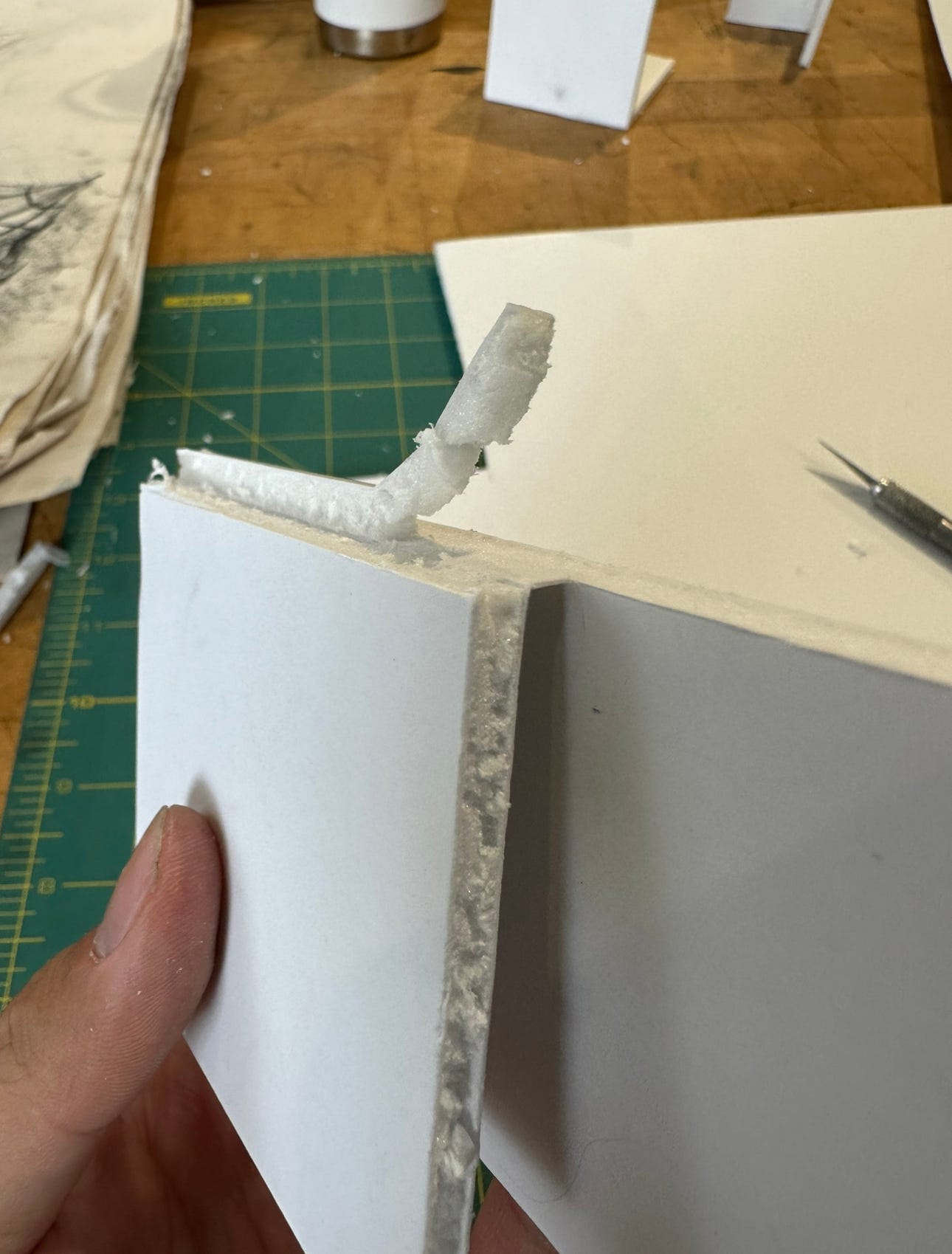
Rushing through the cut often leads to jagged or uneven edges. Foam core board needs a steady, slow hand for clean cuts.
Cutting too fast can tear the paper surface or cause the blade to slip, making the board look messy.
- Use slow, smooth strokes
- Take your time to follow the line
- Apply even pressure without forcing
Using Dull Blades
Dull blades do not cut cleanly. They crush the foam instead of slicing it, leaving rough edges behind.
Always use a sharp blade to get smooth, crisp cuts. Change your blade often for best results.
- Check blade sharpness before starting
- Replace blades if cutting feels tough
- Use a craft knife designed for foam core
Ignoring Safety Measures
Cutting foam core board with sharp tools can be risky. Ignoring safety can cause injuries.
Use safety gear and proper cutting techniques to protect yourself. Always cut on a stable surface.
- Wear safety gloves to protect your hands
- Use a cutting mat to avoid damage
- Cut away from your body and fingers
Credit: medium.com
Frequently Asked Questions
What Tools Are Best For Cutting Foam Core Board?
A sharp utility knife or X-Acto knife works best. Use a metal ruler to guide cuts. Always replace dull blades for clean, precise cuts.
How Do I Prevent Foam Core Board From Tearing?
Score the surface lightly first, then cut deeper gradually. Use a fresh blade and steady pressure. Cutting on a self-healing mat also helps avoid tears.
Can I Cut Foam Core Board Without A Ruler?
It is possible but not recommended. A ruler ensures straight, clean edges. Freehand cuts often lead to uneven or messy results.
How Many Times Should I Cut Foam Core Board?
Cut multiple times, scoring deeper with each pass. Avoid forcing the blade in one go. This method helps achieve a smooth, clean edge.
Conclusion
Cutting foam core board cleanly takes patience and the right tools. Use a sharp blade and steady hands for best results. Score the board lightly before cutting fully to avoid rough edges. Work on a flat surface to keep lines straight.
Taking your time helps prevent mistakes and saves material. Practice a few times to build confidence. Clean cuts make your projects look neat and professional. Keep these tips in mind for easier, smoother foam board cutting every time.