
Are you looking for an efficient way to cool your room without complicated installation? A Packaged Terminal Air Conditioner (PTAC) might be exactly what you need.
This compact unit fits right through your wall, offering both heating and cooling in one easy-to-use device. If you want to understand how a PTAC works and why it could be the perfect solution for your space, keep reading. You’ll discover everything you need to know to make a smart, comfortable choice for your home or business.

Credit: www.applianceworld.com
Basics Of Packaged Terminal Air Conditioners
Packaged Terminal Air Conditioners (PTACs)are compact units used for heating and cooling. They fit through a wall, saving space inside rooms. PTACs have core componentsthat make them work well.
- Compressor:Pumps refrigerant to cool or heat air.
- Evaporator Coil:Absorbs heat from room air.
- Condenser Coil:Releases heat outside.
- Fan:Moves air over coils for temperature control.
- Thermostat:Controls the temperature setting.
The unit pulls warm air inside. The evaporator coil cools this air. The fan blows the cooled air back into the room. Warm air is pushed outside through the condenser coil. The process repeats to keep the room comfortable.
PTACs are common in hotels, motels, hospitals, and apartments. They work well in spaces where window or central AC units are hard to install. Their design allows easy maintenance and independent control of each room’s temperature.
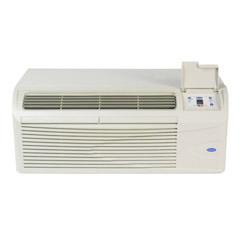
Credit: wheatandsons.com
Types Of Packaged Terminal Air Conditioners
Cooling Only Modelsprovide simple air conditioning without heating. They are perfect for warm climates. These units remove heat from the room and send it outside. They keep spaces cool and comfortable during hot days.
Heat Pump Modelscan both cool and heat a room. They work by moving heat in or out depending on the season. This makes them useful in places with mild winters and hot summers. They save energy by reusing heat.
Electric Heat Modelsuse electricity to warm the air inside. They are good for cold weather where heating is needed. These models combine air conditioning and electric heating in one unit. They provide comfort all year round.
Benefits Of Using Ptac Units
Energy efficiencyhelps save money on electricity bills. PTAC units use less power to cool or heat a room. They often have energy-saving modesand smart controls.
Space-saving designfits easily into walls or windows. This means no need for large, bulky machines. Perfect for small rooms or tight spaces.
- Easy installationsaves time and effort. No complex setups needed.
- Simple maintenancekeeps units running well. Filters and parts are easy to clean or replace.
Choosing The Right Ptac Unit
Choosing the right PTAC unitdepends on several key factors. Proper sizingensures the unit cools or heats the room efficiently. A unit too small will struggle, while one too large wastes energy. Measure the room size and check the BTU rating.
Energy ratingshelp find models that use less power. Look for units with an Energy Starlabel. Features like programmable timersand sleep modesadd convenience and save energy.
| Brand | Warranty | Notes |
|---|---|---|
| Brand A | 3 years | Good customer support |
| Brand B | 5 years | Long warranty but higher price |
| Brand C | 1 year | Affordable but shorter coverage |
Brand reputationmatters. Choose brands known for reliability. Check warranty length to protect your purchase. Longer warranties often mean better quality.
Installation And Maintenance Tips
Place the Packaged Terminal Air Conditioner (PTAC) where air flows freely. Avoid spots blocked by furniture or curtains. Keep it away from direct sunlight to improve cooling.
Regular cleaning helps the PTAC work well. Remove dust from the filter every month. Clean the outside with a damp cloth. This keeps air fresh and the unit efficient.
Common problems include no cooling, strange noises, or water leaks. Check the power supply first. Clear any blocked vents or dirty filters. If issues continue, call a technician for help.
Comparing Ptac Units With Other Cooling Systems
PTAC unitsare self-contained cooling systems often found in hotels. They cool individual rooms and can also heat them. Central air conditioningcools entire buildings through ducts and vents. PTACs are easier to install and repair, but central AC offers more uniform cooling. PTAC units use more energy for the same space compared to central AC.
Window unitsare similar to PTACs but usually less powerful. PTACs fit through walls and have both heating and cooling functions. Window units are simpler and cheaper but less efficient and noisier.
| Feature | PTAC | Central AC | Window Unit |
|---|---|---|---|
| Installation | Wall-mounted, easy | Complex, ductwork needed | Window-mounted, simple |
| Cost | Moderate | High initial cost | Low |
| Energy Efficiency | Moderate | High | Low |
| Noise Level | Moderate | Low | High |
| Heating Option | Yes | Yes | No |
Latest Trends And Innovations
A Packaged Terminal Air Conditioner (PTAC) is a self-contained heating and cooling unit often used in hotels and small buildings. It fits through a wall and offers easy temperature control with space-saving design. Recent innovations focus on energy efficiency and quieter operation.
Smart Controls
Smart controlslet users adjust temperature with a phone or voice. These controls help save energy by learning your routine. You can set schedules or control units remotely. Simple apps make managing air conditioners easy for everyone.
Eco-friendly Refrigerants
New PTAC units use eco-friendly refrigerants. These reduce harm to the environment. They cause less damage to the ozone layer and lower global warming effects. Many models now meet strict environmental rules.
Noise Reduction Technologies
Modern PTACs include noise reduction features. These make the units run quietly, so they don’t disturb your rest or work. Special fans and insulation materials help cut down noise levels. Quiet operation is great for hotels and offices.

Credit: www.homelectrical.com
Frequently Asked Questions
What Is A Packaged Terminal Air Conditioner?
A Packaged Terminal Air Conditioner (PTAC) is a self-contained heating and cooling unit. It’s commonly used in hotels, apartments, and healthcare facilities. PTACs are installed through an exterior wall, making them ideal for individual room temperature control. They offer energy efficiency and easy maintenance, enhancing comfort and convenience.
How Does A Ptac Unit Work?
A PTAC unit works by drawing in air from the room. It cools or heats the air using refrigerant and circulates it back. The unit uses a compressor, evaporator, and condenser to regulate temperature. This process allows for efficient and localized climate control in individual spaces.
Are Ptac Units Energy Efficient?
Yes, PTAC units are designed to be energy efficient. They allow for individual room temperature control, reducing energy waste. Many units come with energy-saving features like programmable thermostats and occupancy sensors. These features help lower energy consumption and utility costs, making PTACs a cost-effective choice.
Where Are Ptac Units Commonly Used?
PTAC units are commonly used in hotels, motels, apartments, and healthcare facilities. They are ideal for spaces requiring individual room temperature control. PTACs are also popular in offices and dormitories. Their easy installation and maintenance make them a preferred choice for various commercial and residential settings.
Conclusion
A packaged terminal air conditioner offers a simple cooling solution. It fits easily through a wall or window space. Many hotels, offices, and apartments use it. You control both heating and cooling with one unit. This makes it easy to stay comfortable all year.
Its compact design saves room and energy. Maintenance is straightforward and does not take long. Choosing the right PTAC can improve your space’s comfort. Understanding how it works helps you make a smart choice. A PTAC keeps your environment cool and cozy.