
Are you wondering if your glass measuring cups can safely go into the microwave? It’s a common question that many home cooks face.
You want to save time and avoid extra dishes, but using the wrong cup could lead to broken glass or ruined recipes. Keep reading to discover the truth about glass measuring cups and microwaves—so you can cook with confidence and protect your kitchen tools.
Glass Cups And Microwave Use
Glass measuring cups are popular in kitchens. People often wonder if they are safe to use in microwaves.
This article explains the material properties of glass and types of glass measuring cups. It helps you understand microwave safety.
Material Properties Of Glass
Glass is made from sand and other minerals. It can handle heat but not all glass is the same.
- Tempered glass is strong and heat resistant.
- Borosilicate glass resists thermal shock and sudden temperature changes.
- Regular glass may crack or break in microwaves.
- Glass does not absorb microwaves but heats food inside.
Types Of Glass Measuring Cups
There are different glass measuring cups made with various materials. Knowing their types helps choose microwave-safe cups.
| Type | Description | Microwave Safe |
| Tempered Glass | Heat-treated for strength and durability. | Yes |
| Borosilicate Glass | Resists thermal shock and sudden heat changes. | Yes |
| Regular Glass | Standard glass, less resistant to heat. | No |

Credit: www.amazon.ca
Safety Of Glass In Microwaves
Glass measuring cups are popular in many kitchens. People often wonder if they are safe to use in microwaves.
This article explains the safety of glass in microwaves. It covers microwave-safe labels and common risks.
Microwave-safe Labels
Look for microwave-safe labels on glass measuring cups. These labels show the glass can handle microwave heat.
- Microwave-safe glass is made to resist heat and prevent breaking.
- Some glass may crack if it heats too fast or unevenly.
- Always check the bottom or packaging for a microwave-safe symbol.
- If no label is present, avoid microwaving the glass cup.
Common Risks And Hazards
Not all glass is safe for microwaves. Some types can break or shatter from heat stress.
| Risk | Description |
| Thermal Shock | Sudden temperature change causes glass to crack. |
| Broken Glass | Heated glass may shatter and cause injury. |
| Hot Surfaces | Glass can get very hot and burn skin. |
| Food Contamination | Cracks can trap food and bacteria. |
To stay safe, use only glass marked microwave-safe. Avoid sudden temperature changes and handle hot glass carefully.
Tips For Using Glass Measuring Cups
Glass measuring cups are common in many kitchens. They help measure liquids and ingredients safely. Using them with a microwave needs care to avoid damage or accidents.
Below are useful tips to keep your glass measuring cups safe and effective when heating or measuring food.
Checking For Damage
Always check your glass measuring cup for cracks or chips before use. Small damages can cause the glass to break in the microwave.
- Look closely for any cracks or chips on the surface.
- Do not use cups with visible damage.
- Replace damaged cups to avoid accidents.
Avoiding Sudden Temperature Changes
Glass can break if it heats too fast or cools suddenly. Avoid moving the cup from freezer to microwave or hot oven to cold water.
| Do | Don’t |
| Let the cup reach room temperature before heating. | Put a cold glass cup directly into the microwave. |
| Heat liquids slowly and evenly. | Pour cold water into a hot glass cup suddenly. |
| Use glass cups designed for heat use. | Use regular glass that is not microwave safe. |
Proper Microwave Settings
Use the right microwave settings to prevent damage to glass measuring cups. High power may cause overheating and breakage.
- Set microwave to medium or low power for heating liquids.
- Do not heat liquids for long times without checking.
- Stir liquids during heating to spread heat evenly.
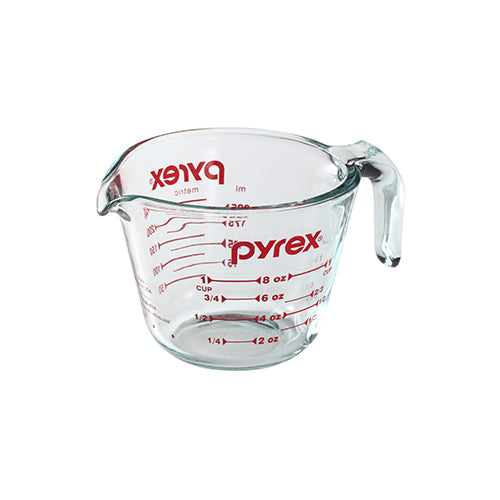
- Use microwave-safe glass measuring cups only.
Credit: pyrexhome.com
Alternatives To Glass Measuring Cups
Glass measuring cups are common in kitchens. They look sturdy and clear. But not all glass cups are safe for microwaves.
There are other tools to measure ingredients safely in the microwave. These options can work well and last long.
Microwave-safe Plastic Options
Some plastic measuring cups are made to be microwave-safe. They do not melt or release harmful chemicals when heated.
- Look for plastic labeled “microwave-safe.”
- Check if the plastic cup is BPA-free.
- Use only for short heating times.
- Do not use cracked or old plastic cups.
Silicone And Metal Measuring Tools
Silicone tools are soft and heat resistant. They can handle microwave heat well without damage.
Metal tools are not safe for microwaves. Metal can cause sparks and damage the microwave oven.
| Tool Type | Microwave Safe | Notes |
| Silicone Measuring Cups | Yes | Flexible and heat resistant |
| Metal Measuring Cups | No | Can cause sparks and fires |
| Plastic Measuring Cups | Depends on label | Use only microwave-safe types |
Cleaning And Maintenance
Glass measuring cups are common in kitchens. Keeping them clean helps them last longer and stay safe to use.
Proper cleaning removes food residue and prevents stains. It also keeps the glass clear and shiny.
Safe Cleaning Practices
Wash glass measuring cups gently to avoid cracks. Use warm water and mild soap for best results.
- Rinse immediately after use to prevent dried residue.
- Use a soft sponge or cloth to clean the glass.
- Avoid abrasive scrubbers that can scratch the surface.
- Hand wash if unsure about dishwasher safety.
- Dry with a soft towel to prevent water spots.
Handling Stains And Residue
Some stains may be hard to remove with soap alone. Use natural cleaners to protect the glass.
| Cleaner | Use | How to Apply |
| Baking Soda | Remove tough stains | Make a paste with water, scrub gently |
| White Vinegar | Break down residue | Soak cup for 10 minutes, rinse well |
| Lemon Juice | Brighten glass surface | Rub on stains, rinse after 5 minutes |
Credit: www.temu.com
Frequently Asked Questions
Can You Microwave Glass Measuring Cups?
Yes, most glass measuring cups are microwave safe. They are designed to withstand heat and are ideal for reheating. Always check the manufacturer’s guidelines to ensure safety. Avoid sudden temperature changes to prevent cracking.
How Do I Know If It’s Microwave Safe?
Look for a microwave-safe label on the glass measuring cup. If absent, consult the manufacturer’s instructions. Generally, brands like Pyrex are microwave safe. Avoid using cracked or chipped glassware to prevent accidents.
What Types Of Glass Can Go In The Microwave?
Tempered glass, like Pyrex, is usually microwave safe. It’s designed to handle heat fluctuations. Avoid using thin or decorative glassware, as they may crack. Always check the product label for microwave safety instructions to ensure proper use.
Can Glass Measuring Cups Explode In Microwave?
While rare, sudden temperature changes can cause glass to crack or shatter. Always use microwave-safe glass and avoid overheating. Never use damaged glassware in the microwave, as it poses a risk of breaking.
Conclusion
Glass measuring cups usually work well in microwaves if labeled microwave safe. Avoid sudden temperature changes to prevent cracking or breaking. Always check the manufacturer’s instructions before heating. Use cups made of borosilicate glass for better heat resistance. Remember, not all glass cups handle microwave heat safely.
Use caution and common sense to keep your kitchen safe. Simple steps can help you avoid accidents and damage. Trust safe glass cups for easy and convenient cooking.