Choosing the right size air conditioner for your home can feel tricky. If your unit is too small, it won’t cool your space properly.
If it’s too big, you’ll waste energy and money. You want a system that keeps you comfortable without driving up your bills. You’ll discover how to find the perfect air conditioner size for your home. By the end, you’ll feel confident making a smart choice that fits your needs and saves you money.
Keep reading to unlock the simple steps to get it right the first time.
Factors Affecting Ac Size
The size of an air conditionerdepends on several important factors. First, room dimensionsmatter. Bigger rooms need more cooling power. Ceiling heightaffects this too. Higher ceilings mean more air to cool.
Sunlight exposureplays a big role. Rooms with lots of sun get hotter and need stronger AC units. Insulation qualityalso matters. Well-insulated rooms keep cool air better and need less powerful ACs.
The number of occupantsaffects the cooling load. More people produce more heat, requiring a bigger AC to keep the room comfortable.
Calculating Cooling Capacity
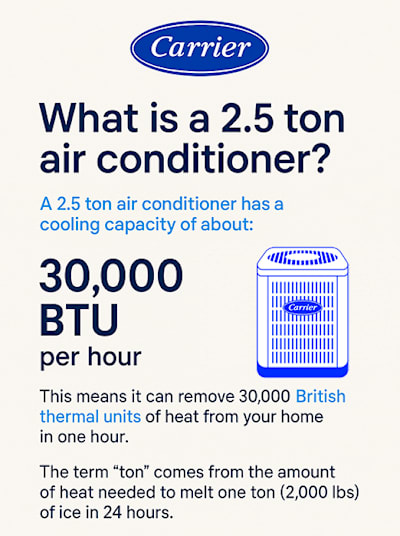
BTUstands for British Thermal Unit. It measures how much heat an air conditioner can remove from a room per hour. The higher the BTU, the larger the space it can cool effectively.
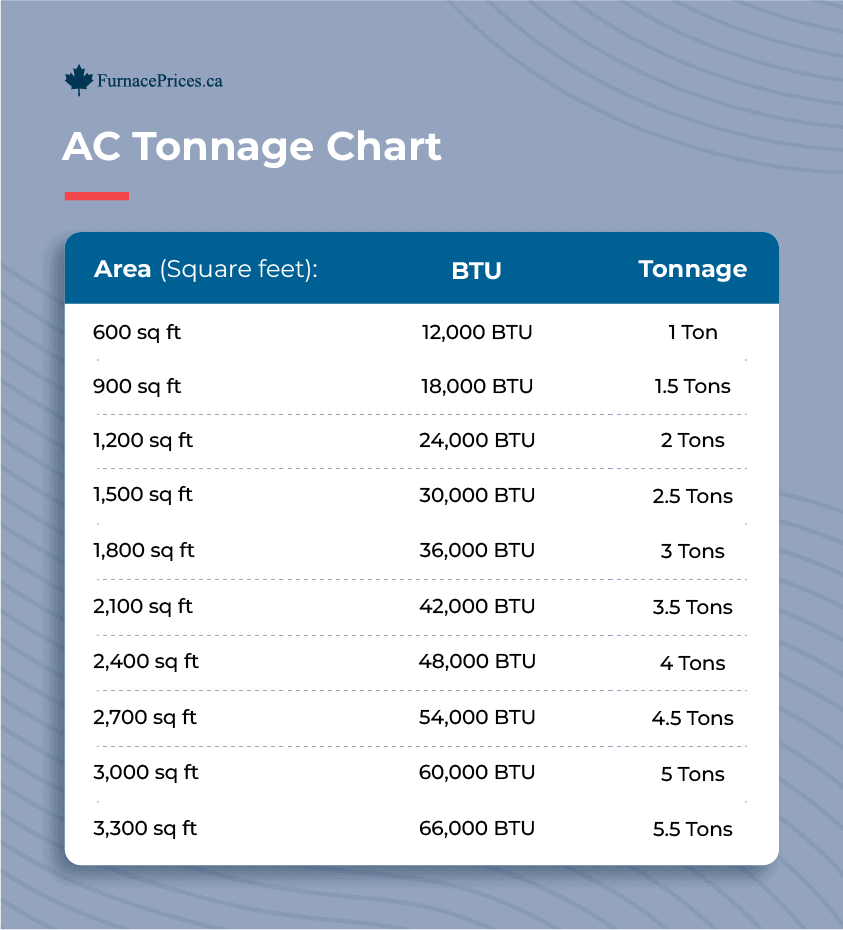
To find the right size, measure your home’s square footage. A common rule is about 20 BTU per square foot. For example, a 500 square foot room needs around 10,000 BTU.
Climate affects cooling needs. Hotter places require air conditioners with a higher BTU. Cooler areas may need less power for the same space.
Other factors add to cooling load:
- Number of windows
- Sunlight exposure
- Number of people usually inside
- Heat from appliances and lights
These increase the BTU needed to keep your home cool and comfortable.
Types Of Air Conditioners
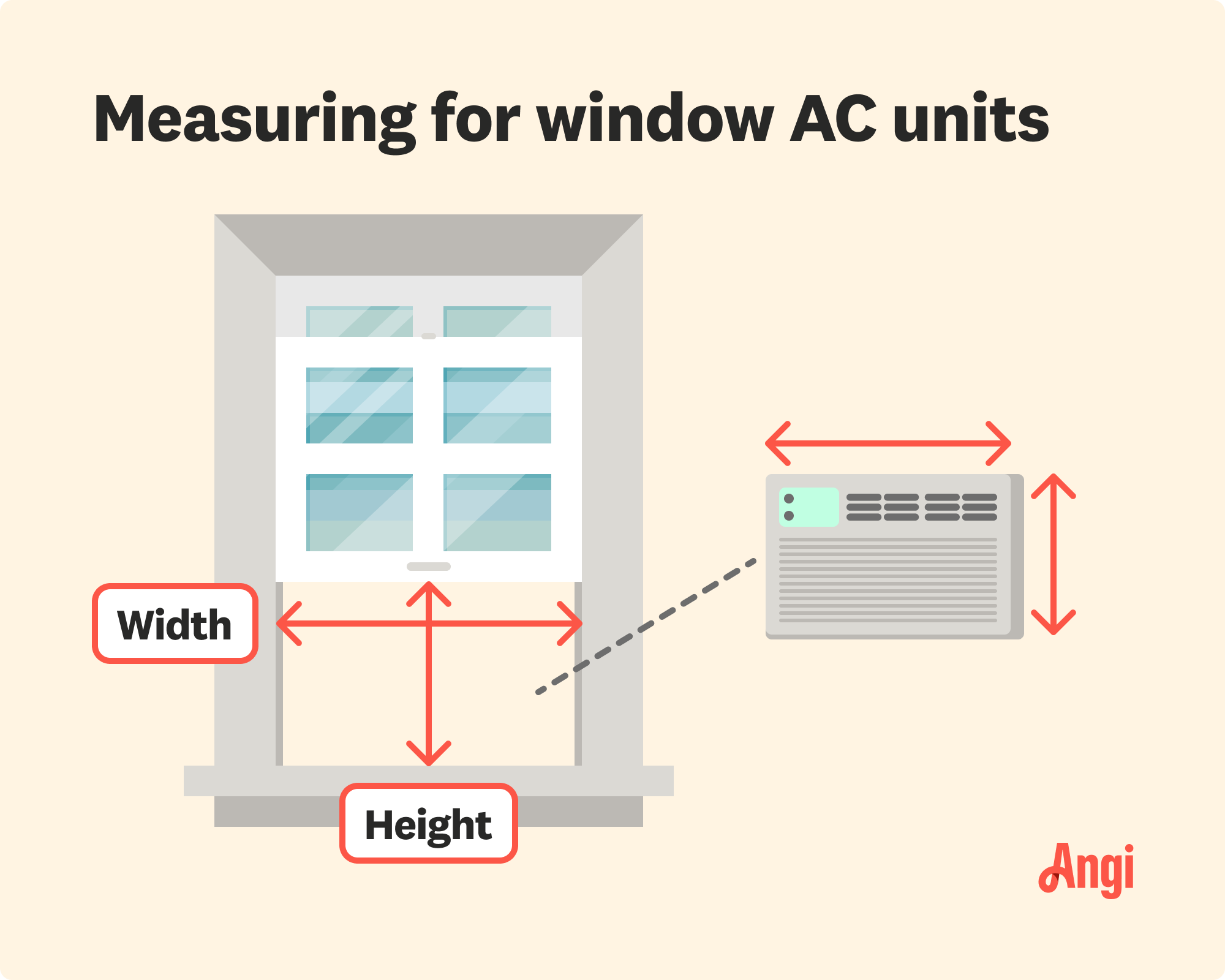
Window unitsfit in a window frame. They cool one room well. Easy to install and affordable. Best for small spaces or single rooms.
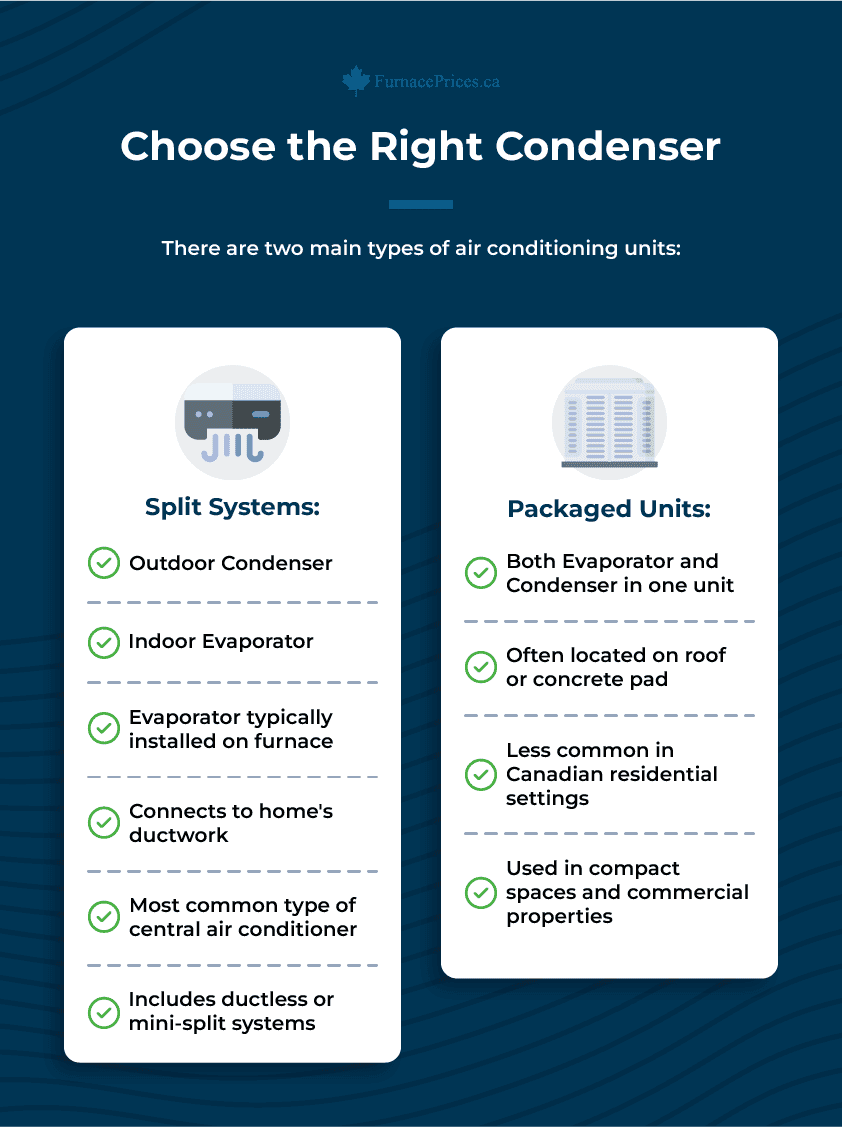
Split systemshave two parts: an indoor unit and an outdoor unit. They are quiet and cool several rooms. Good for homes without ducts.
Central air conditioningcools the whole house through ducts. It keeps air fresh and even. More expensive but very effective for large homes.
Portable ACscan be moved from room to room. They need a vent for hot air. Convenient for renters or rooms without windows.
Energy Efficiency And Cost
SEER ratingsmeasure how efficient an air conditioner is. Higher SEER means better energy savings. Most modern units have ratings between 13 and 21. Choosing a unit with a higher SEER can lower your electric bill over time.
Operating costsdepend on the size of the unit and how often it runs. Bigger units cool faster but use more power. Smaller units save energy but may run longer. Balance size and usage for best savings.
- Close windows and doors while cooling.
- Use fans to help circulate cool air.
- Set your thermostat a bit higher when away.
- Keep filters clean for better airflow.
- Shade your outdoor unit to improve efficiency.
Common Sizing Mistakes
Oversizingan air conditioner can cause frequent cycling. This wastes energy and reduces comfort. The room may feel too cold quickly, then too warm before the next cycle. It also increases wear and tear on the unit.
Undersizingmakes the AC run nonstop. It struggles to cool the space properly. This leads to higher electricity bills and a shorter lifespan for the unit. The room may never feel truly comfortable.
Ignoring ventilationaffects AC performance. Poor airflow means cool air does not spread well. This causes hot spots and uneven temperatures. Good ventilation helps the AC work efficiently and keeps air fresh.
Credit: www.carrier.com
Professional Sizing Methods
The Manual J calculationis a detailed way to find the right air conditioner size. It measures how much heat your home gains and loses. This includes factors like room size, window types, insulation, and local climate. The results help pick an AC unit that cools well without wasting energy.
Hiring HVAC expertscan make the process easier and more accurate. Professionals use special tools and knowledge to check your home carefully. They consider your lifestyle and needs to recommend the best system. This service ensures your home stays comfortable and your bills stay low.
Maintenance For Optimal Performance
Regular filter changes keep your air conditioner working well. Dirty filters block air and make the system work harder. Change filters every 1 to 3 months for clean airflow and better cooling.
System inspections help find small problems early. A technician checks parts like coils, refrigerant, and electrical connections. This stops big repairs and keeps your unit running smoothly.
Cleaning and repairs are key for long life. Clean coils and vents remove dust and dirt that reduce cooling. Fix broken parts fast to avoid more damage. Regular care saves money and energy.
Credit: www.angi.com
Credit: www.furnaceprices.ca
Frequently Asked Questions
How Do I Calculate Ac Size For My Home?
To calculate AC size, determine your room’s square footage. Multiply length by width. Then, consider the ceiling height, insulation, and sun exposure. Use a BTU calculator to find the recommended BTU for your space. This ensures optimal cooling efficiency and comfort for your home.
What Is Btu In Air Conditioning?
BTU stands for British Thermal Unit. It measures cooling capacity in air conditioners. One BTU represents the energy needed to cool one pound of water by one degree Fahrenheit. Higher BTU values indicate more cooling power. Choosing the right BTU ensures efficient cooling and energy savings for your home.
Does Room Size Affect Ac Efficiency?
Yes, room size impacts AC efficiency. An oversized AC cools quickly but inefficiently, leading to frequent cycling. An undersized AC struggles to cool, running constantly. Both scenarios waste energy and money. Selecting the right-sized AC ensures efficient cooling, lower energy bills, and increased comfort.
How Does Insulation Impact Ac Size?
Insulation affects your home’s cooling needs. Well-insulated homes require smaller AC units, as they retain cool air better. Poor insulation leads to higher cooling demands, requiring larger AC units. Proper insulation enhances energy efficiency, reduces cooling costs, and maintains a comfortable indoor environment.
Conclusion
Choosing the right air conditioner size saves energy and money. Small units may not cool well. Large units waste power and cost more. Measure your room size before buying. Consider ceiling height and insulation too. A properly sized AC keeps your home comfortable.
It runs efficiently and lasts longer. Take time to find the best fit. This helps avoid repairs and high bills. Stay cool without overspending. Your home deserves the perfect air conditioner.